
Hotel Fraud Prevention: Stop Synthetic Identity Scams Before They Cost You Millions
Fraud in the hospitality industry is no longer a back-office nuisance. It is a structural risk to revenue, compliance, and guest trust.
For risk management leaders in hospitality, fraud now arrives in multiple disguises: synthetic identities at digital check-in, stolen cards used for high-value bookings, friendly fraud through post-stay chargebacks, and organized abuse targeting loyalty programs. The threat landscape in hospitality fraud is expanding just as guest expectations demand faster, more seamless onboarding.
The result? A tension between protection and experience that many hotels are still trying to solve.
The Most Common Types of Hotel Fraud
1. Synthetic Identity Fraud
Fraudsters combine real and fabricated identity data to create a “guest” who technically passes surface-level checks. These identities can be used to:
- Book high-value rooms or extended stays
- Abuse loyalty programs
- Conduct payment testing schemes
- Facilitate chargeback fraud
Synthetic identities are especially dangerous because they often evade traditional rule-based systems.
2. Payment Fraud
Stolen or compromised cards are used to reserve rooms, often for peak periods or high-demand events. The fraud may not surface until:
- The real cardholder disputes the charge
- A chargeback hits weeks after checkout
- The hotel absorbs both the lost revenue and penalty fees
3. Friendly Fraud and Chargeback Abuse
Guests dispute legitimate charges, claiming non-receipt of service or unauthorized transactions. Hospitality is particularly vulnerable due to:
- Card-not-present bookings
- Third-party booking channels
- Weak identity binding between guest and payment method
4. Loyalty Program Fraud
Points theft and account takeovers are rising as loyalty ecosystems become more valuable and more digital.
How Hotel Fraud Impacts Revenue and Reputation
Fraud does more than create isolated losses. It creates compounding operational drag:
- Chargeback fees and lost revenue
- Increased manual review costs
- Strained compliance resources
- Regulatory exposure in jurisdictions with stricter identity rules
- Brand erosion when legitimate guests are wrongly flagged
A high false-positive rate is not a safety net. It is friction disguised as security.
Effective Identity Verification for Hotels
The modern answer is not more manual review. It is smarter automation.
Document Scanning and Authentication
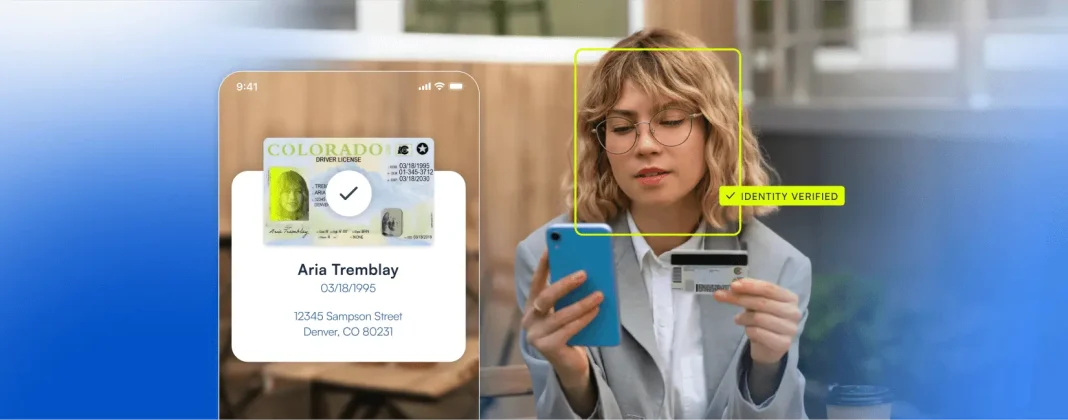
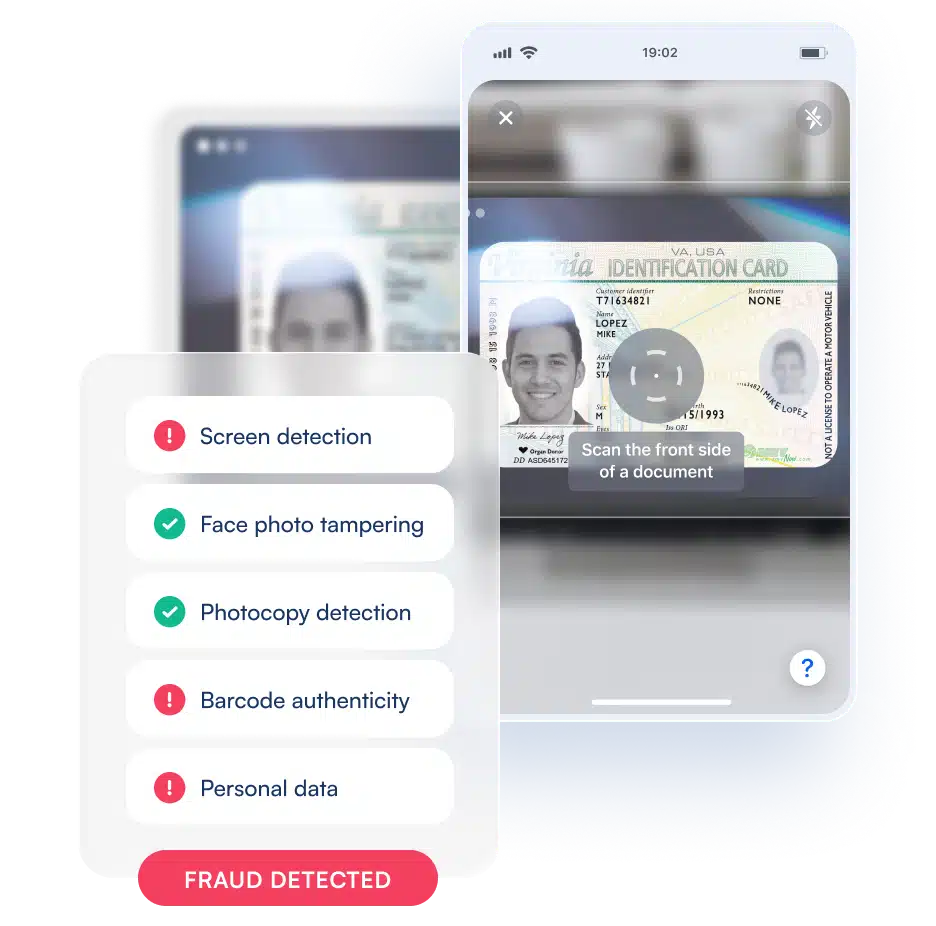
Advanced document scanning and capture verifies government-issued IDs at check-in or mobile onboarding. AI models detect:
- Forged or altered documents
- Template-based fraud
- Digital manipulations
Biometric Verification
Liveness detection ensures the person presenting the ID is physically present and matches the document.
This closes the gap that synthetic identities exploit.
Identity–Payment Binding
Hotels must link verified identity to payment credentials. When identity and payment are validated together, fraud risk drops significantly.
KYC and AML: Why Hospitality Is Under Growing Scrutiny
Hotels increasingly fall under enhanced due diligence expectations, particularly when operating internationally or handling high-value transactions.
Audit failures can result in:
- Regulatory fines
- Increased reporting obligations
- Reputational damage
Identity verification at onboarding is no longer optional in certain markets. It is foundational compliance infrastructure.
Reducing False Positives Without Increasing Risk
The paradox of fraud prevention is simple: overcorrect and you lose guests, undercorrect and you lose money.
Modern systems rely on:
- Smart risk scoring rather than binary pass/fail rules
- Continuous identity assessment across the guest lifecycle
- Automation that minimizes manual review queues
- Document-agnostic intelligence that handles global ID variation
The goal is precision, not paranoia.
Preventing Hotel Fraud at Scale
Fraud prevention in hospitality must evolve from reactive to continuous.
This means:
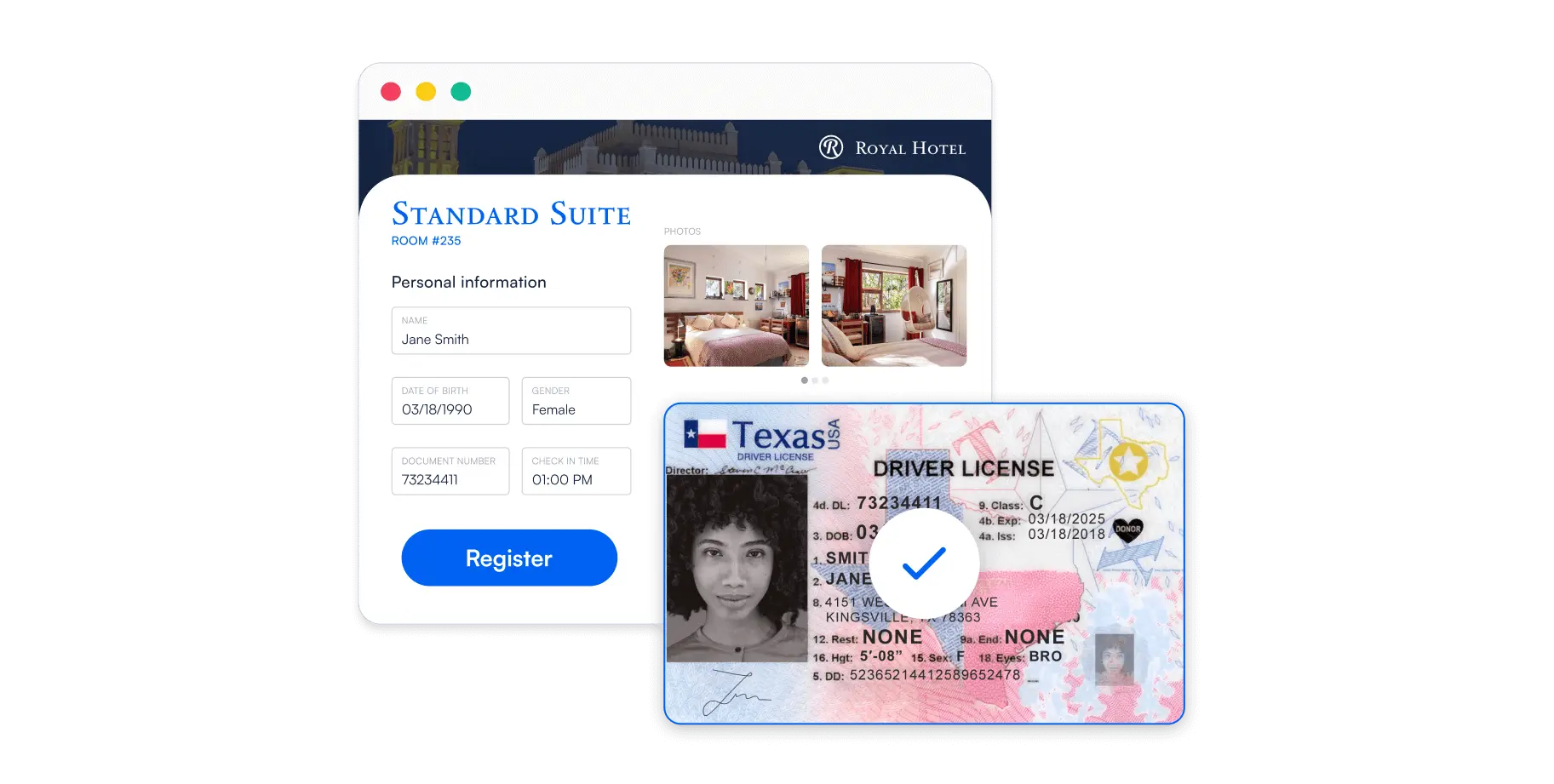
- Verifying identity before arrival
- Reassessing risk during high-value transactions
- Binding identity to payment credentials
- Leveraging automation instead of staffing increases
Microblink’s Identity Intelligence OS enables hotels to verify guests quickly, detect sophisticated fraud, and reduce chargebacks while maintaining a frictionless check-in experience.
Instead of treating identity verification as a one-time event at the front desk, it becomes an invisible layer of control across the entire guest journey.
The Bottom Line
Hotel fraud is not just about stolen cards or fake IDs. It is about operational resilience.
Risk leaders who modernize identity verification reduce losses, improve audit readiness, and protect guest experience simultaneously.
In a world where digital bookings, mobile check-in, and automated journeys define hospitality, identity is not a checkpoint. It is the foundation.
And the hotels that treat it that way will sleep better at night