
Biometric Boarding: Fast Identity Verification That Stops Fraud
The future of travel is moving toward one simple idea: your identity is your boarding pass.
Biometric boarding is transforming how passengers move through airports by replacing manual document checks with fast, automated identity verification. At the same time, it is helping organizations strengthen security, reduce fraud, and improve compliance in an increasingly complex threat landscape.
For product managers, biometric boarding represents a critical opportunity to design experiences that are both frictionless for users and resilient against modern identity fraud.
What Is Biometric Boarding?
Biometric boarding is a process that uses unique physical characteristics to verify a traveler’s identity at key checkpoints such as boarding gates.
Instead of presenting a boarding pass and ID multiple times, passengers enroll their identity once. That identity is then matched against biometric data captured at each step of the journey.
This creates a seamless experience where identity is verified automatically, allowing passengers to move quickly through the boarding process without repeated manual checks.
How Biometric Boarding Works End-to-End
Biometric boarding is not just a camera at the gate. It is a coordinated identity workflow that begins before a passenger even arrives at the airport.
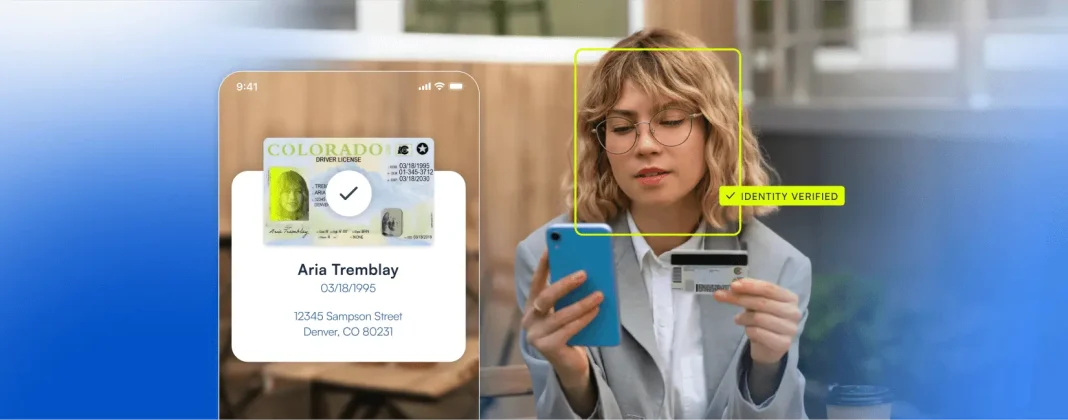
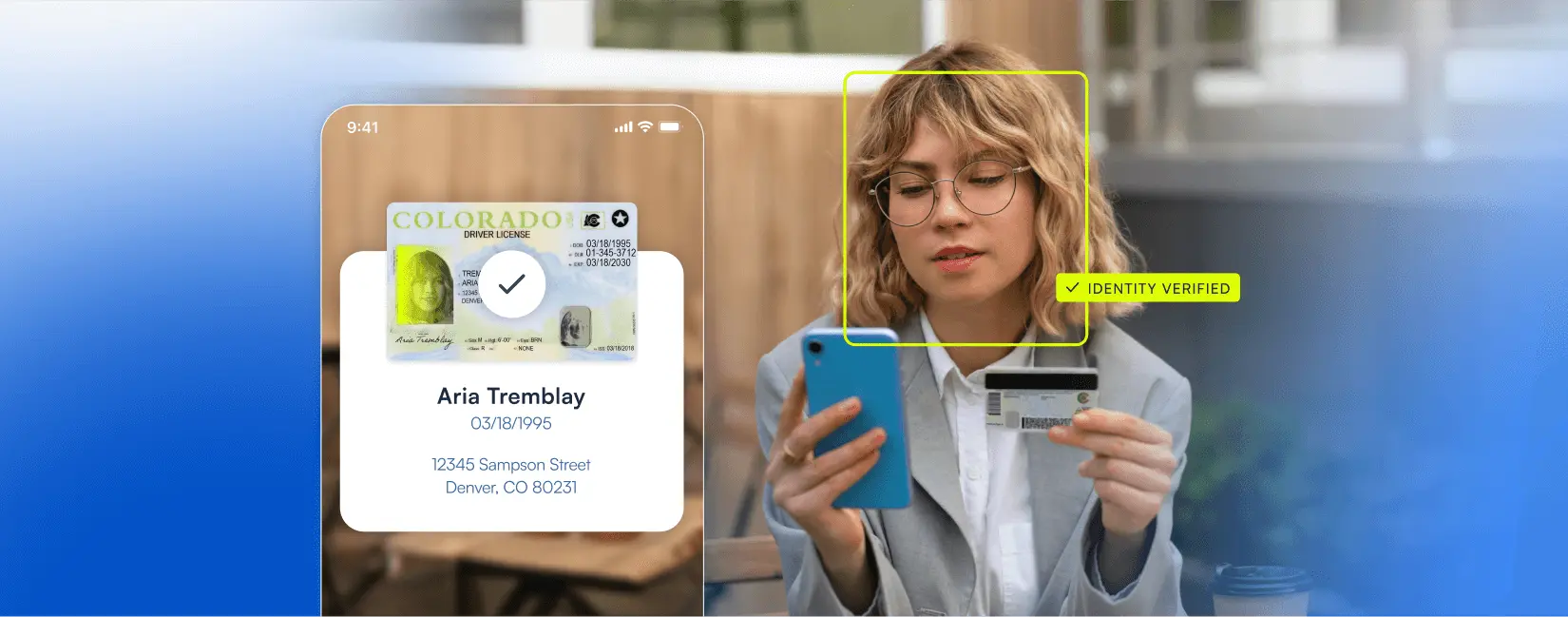
The process typically starts with document capture, where a traveler submits a government-issued ID such as a passport. This document is verified for authenticity, and key data is extracted.
Next, biometric enrollment links the traveler’s face to their verified identity. This creates a trusted identity record that can be reused throughout the journey.
At the airport, facial recognition systems match the live image of the traveler against the enrolled identity. If the match is successful, the passenger is cleared to proceed.
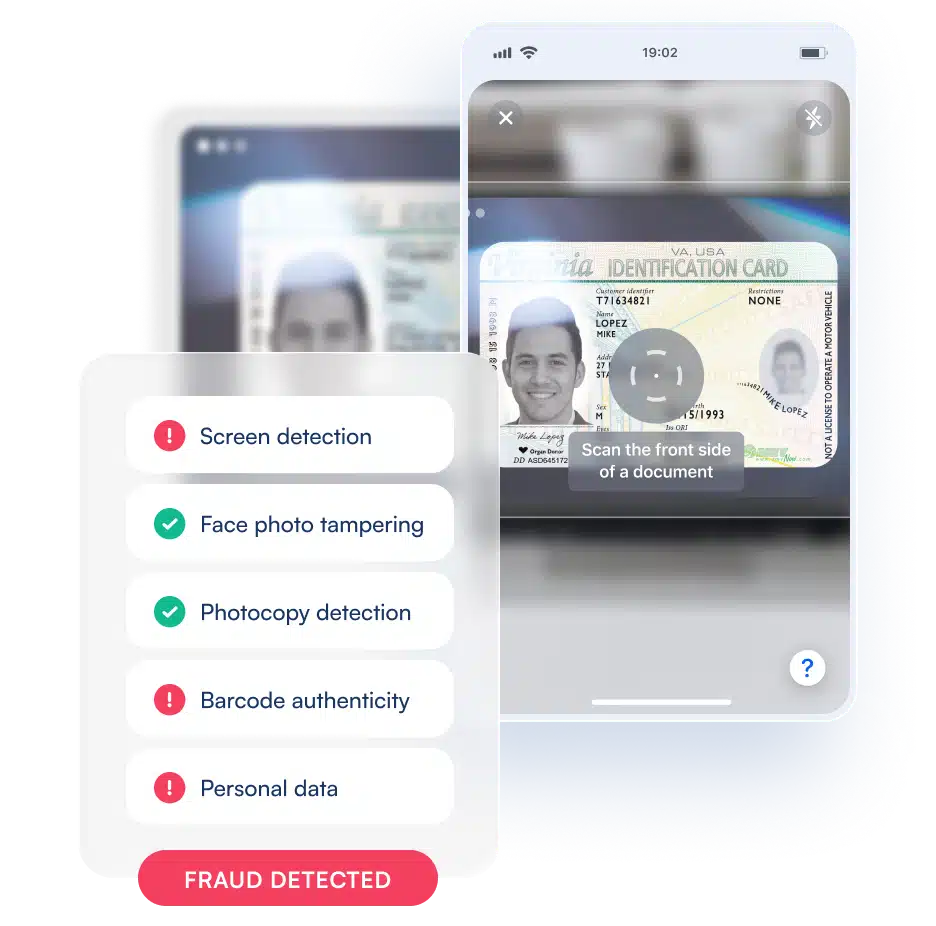
Behind the scenes, real-time systems continuously validate identity and detect potential fraud, ensuring that each interaction is tied to a verified individual.
Why Biometric Boarding Matters for Security and Fraud Prevention
Biometric boarding significantly strengthens identity assurance compared to traditional methods.
Manual checks rely on human inspection, which can be inconsistent and difficult to scale. In contrast, biometric systems provide automated, repeatable verification that reduces the risk of error.
More importantly, biometric boarding helps defend against modern fraud threats, including:
- Synthetic identities created using real and fabricated data
- Stolen or altered identity documents
- Deepfake attempts designed to spoof biometric systems
- Unauthorized use of another person’s credentials
Biometric Technologies That Power Boarding
Not all biometric technologies are equal. Choosing the right approach depends on the use case, environment, and level of risk.
Common biometric technologies include:
- Facial recognition for fast, contactless identity verification
- Fingerprint scanning for high-assurance authentication
- Iris recognition for highly secure environments
- Voice recognition for remote or call-based verification
In travel environments, facial recognition is typically preferred due to its speed, scalability, and ability to operate without physical contact.
Biometric Boarding vs Traditional Boarding
| Capability | Traditional Boarding | Biometric Boarding |
|---|---|---|
| Identity verification | Manual ID checks | Automated biometric matching |
| Speed | Slower, queue-based | Fast, near-instant |
| Fraud detection | Limited | Advanced, multi-layered |
| User experience | Repetitive and manual | Seamless and touchless |
| Operational efficiency | Staff-dependent | Automated and scalable |
Why Microblink Is Built for Biometric Boarding
Microblink’s Identity Intelligence OS enables organizations to implement biometric boarding as part of a broader identity strategy.
By unifying document verification, biometrics, and fraud signals into a single decisioning layer, Microblink allows companies to move beyond one-time checks and toward continuous identity control.
Key capabilities include:
- Fast, accurate document verification across global ID types
- Advanced biometric face matching and liveness detection
- Real-time fraud detection for deepfakes and synthetic identities
- Mobile-first capture optimized for user experience
- Flexible integration through SDKs and APIs
This enables organizations to deliver biometric boarding experiences that are secure, compliant, and frictionless.
The Future of Biometric Identity
Biometric boarding is just the beginning.
As identity systems evolve, verification will become more continuous, more intelligent, and more invisible to the user. Identity will no longer be a checkpoint—it will be a persistent signal that follows the customer across every interaction.