
Best Age Verification Software: Top AI Solutions for Compliance and Fraud Prevention

As regulatory landscapes tighten globally, age verification has evolved from a simple checkbox to a sophisticated layer of digital identity protection. Modern AI solutions now leverage biometric analysis, document scanning, and liveness detection to ensure strict compliance while minimizing friction for legitimate users accessing age-restricted platforms.
Whether you are operating in gaming, e-commerce, or adult content sectors, selecting the right ID verification software is no longer just about compliance—it’s about balancing conversion rates with ironclad security. In this guide, we break down the top fraud prevention solutions that help businesses stay ahead of evolving legal requirements like GDPR and the UK Online Safety Act.
Age Verification Software Comparison Table
| Provider | Compliance Features | Industry Focus | AI Capabilities | User Experience | Developer Experience |
|---|---|---|---|---|---|
| Microblink | AI Document Scanning, On-Device Processing | Mobile Apps, Privacy-Centric | AI-Driven On-Device Processing | Fast Processing, High Privacy | Requires Developer Implementation |
| Ondato | Facial Age Estimation, Reusable Tokens | High-Volume Retail, Global Compliance | Privacy-First Facial Estimation | Instant Results, Low Friction | Complex Pricing Structure |
| iDenfy | Hybrid AI + Human Supervision, White-Label | High-Risk Industries, SMBs | High Accuracy, Manual Review | 99.9% Success Rate | No-Code Platform Plugins |
| Veriff | AI-Guided Capture, Liveness Detection | Fintech, Global User Bases | Real-Time Feedback, Scalable | High Conversion Rates | Limited UI Customization |
| Entrust (Onfido) | Document + Biometric, No-Code Builder | Enterprise Banking, Multi-Region | Smart Capture, Multi-Bureau Checks | Robust Fraud Detection | Visual Workflow Builder |
| Sumsub | Multi-Method Verification, Risk-Based Authentication | Gaming, Trading Platforms | Unified Platform, Non-Doc Methods | Full-Cycle Management | Opaque Accuracy Stats |
| ID.me | Digital Wallet, NIST IAL2 Certification | Government Services, Healthcare | Government-Grade Security | Reusable ID Across Platforms | Complex User Flow |
1. Microblink

Platform Summary
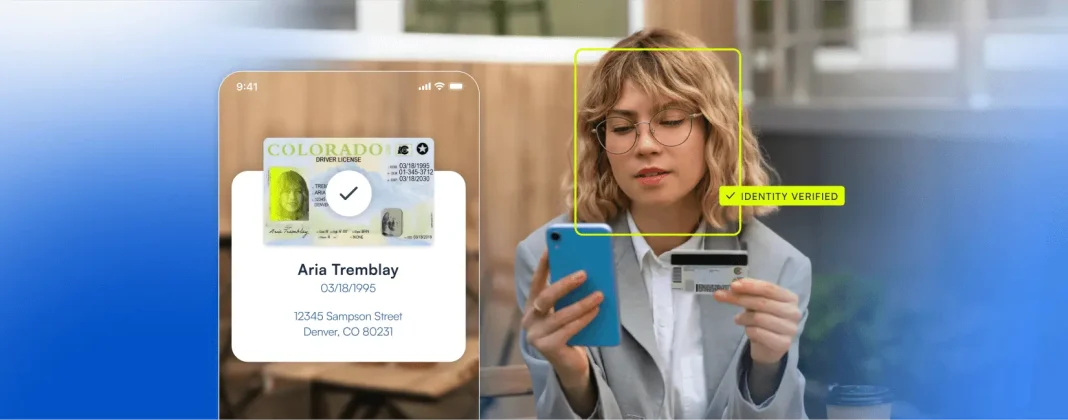
Microblink is a global leader in AI-powered computer vision, specifically engineered for high-stakes identity verification and data extraction software needs. For Fraud Decision-Makers, Microblink offers a unique advantage by prioritizing speed and data privacy through sophisticated on-device processing. This approach ensures that sensitive personally identifiable information (PII) is handled with the highest security standards, often without the need for cloud-based storage of raw document images.
Microblink utilizes advanced machine learning models to scan, extract, and verify identity documents in real-time. By moving the heavy lifting of AI processing to the user’s local device, Microblink provides a low-latency experience that is critical for building the best ID scanning app experience for mobile onboarding.
Key Benefits
- Industry-leading processing speed with on-device AI scanning
- Highest level of data privacy—PII can remain on the user’s device
- Global document coverage for scalable, international compliance
- Seamless user experience that minimizes onboarding friction
Core Features
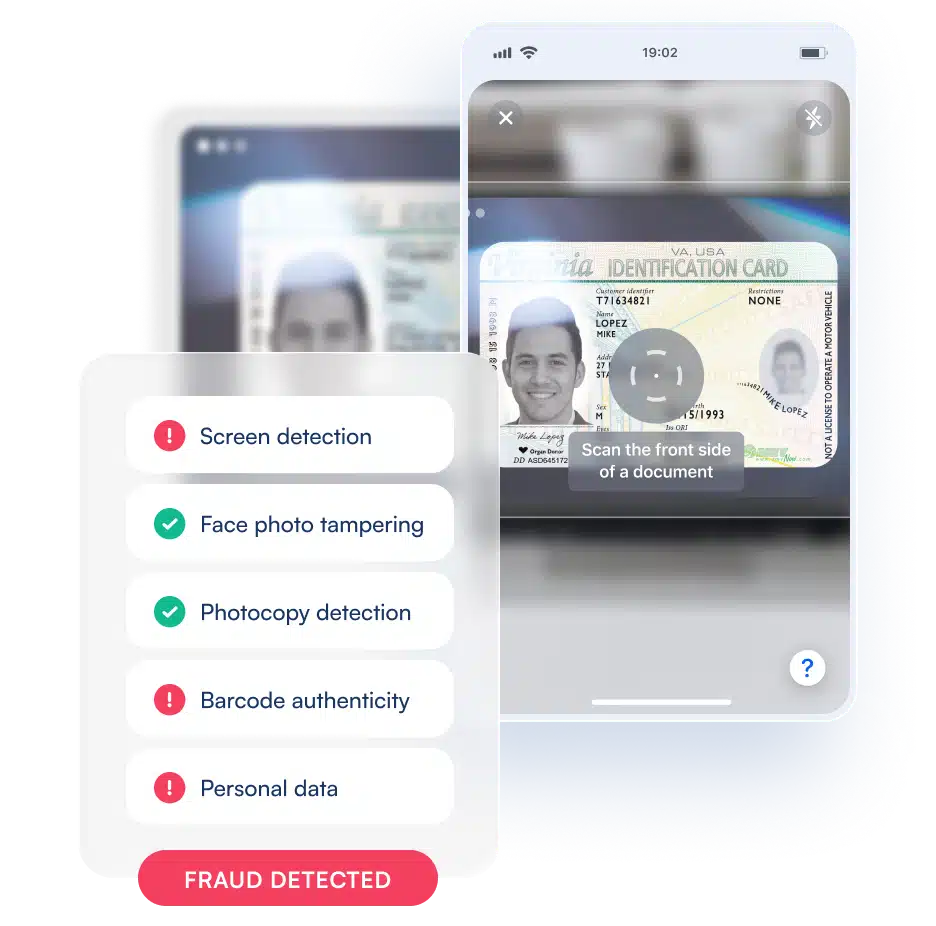
- AI-Powered Scanning: Proprietary AI and computer vision for accurate, real-time scanning of government-issued IDs and credit cards.
- BlinkID Verify Liveness Detection: Biometric layer ensures the user is physically present, preventing spoofing and deepfakes.
- Global Document Coverage: Supports over 2,500 document types from 140+ countries, including Latin, Cyrillic, and Arabic scripts.
- Effortless User Experience: Award-winning UI in 23 languages, guiding users to a successful scan on the first try.
Primary Use Cases
- Age-restricted e-commerce and delivery (alcohol, tobacco, lottery)
- Online gaming and betting platforms needing instant, secure onboarding
- Pharmaceuticals and telehealth for compliant prescription delivery
Recent Updates
New releases have extended the platform’s leadership by combining unmatched AI-powered accuracy, global coverage, and seamless UX. Real-world results speak volumes; for instance, Latin ID achieves 98% identity verification success rate with Microblink, showcasing the platform’s reliability in high-volume environments.
Limitations
- Requires integration effort (SDK/API implementation)
- Mobile-first focus may limit desktop-heavy use cases
- No built-in manual review service for edge cases
2. Ondato

Platform Summary
Ondato provides a comprehensive suite of identity management tools, with a specific focus on balancing regulatory compliance with a frictionless user experience. Their customer identity verification software is particularly notable for its flexibility, offering both traditional document-based checks and innovative, privacy-preserving estimation techniques. Ondato’s reusable identity tokens help businesses reduce repetitive friction and increase customer loyalty.
Core Features
- Facial Age Estimation using AI for privacy-first verification
- Reusable Age Credentials (OnAge) for “verify once, use everywhere” convenience
- OSINT & Database Checks for additional validation layers
- Instant results to reduce cart abandonment
Primary Use Cases
- High-volume retail requiring fast, anonymous age checks
- Anonymous access to age-restricted content
- Multi-national compliance for global brands
Recent Updates
Ondato recently launched ‘OnAge’, a reusable and anonymous age verification token system, enabling users to prove their age across partner platforms without re-sharing PII.
Limitations
- Estimation accuracy can vary compared to document checks
- Requires stable internet connection for real-time estimation
- Pricing structures can be complex with multiple add-ons
3. iDenfy

Platform Summary
iDenfy is recognized for its commitment to high accuracy through a hybrid approach that combines automated AI with human oversight. For businesses prioritizing fintech fraud prevention, iDenfy’s 24/7 manual review team serves as a critical safety net, catching sophisticated forgeries that purely automated systems might miss.
Core Features
- Hybrid Human-AI Verification for 99.9% accuracy
- White-label customization for branded user flows
- 3rd-party plugin support for platforms like Shopify and WooCommerce
- Pay-per-success pricing model
Primary Use Cases
- High-risk industries (gambling, finance) with strict compliance needs
- SMBs needing robust protection without complex integration
- Businesses operating in jurisdictions with evolving age-gating mandates
Recent Updates
Expanded integration plugins for no-code platforms (Shopify, WordPress, Bubble) to streamline deployment for non-technical compliance officers.
Limitations
- Manual review can slow down the process compared to pure AI
- Pricing transparency—per-check costs require consultation
- High volume spikes may create review bottlenecks
4. Veriff

Platform Summary
Veriff is a leader in the identity verification space, known for its focus on providing a superior user experience through intelligent automation. Often cited among the top KYC solution providers, the platform guides users in real-time, correcting mistakes before submission, which boosts first-time pass rates and reduces support burden.
Core Features
- AI-guided image capture with real-time feedback
- Passive liveness detection for seamless user experience
- Device fingerprinting to detect fraud patterns
- Highly scalable architecture for global enterprises
Primary Use Cases
- Fintech and crypto onboarding
- Gig economy platforms verifying contractors
- Global brands needing localized, multi-language support
Recent Updates
Improved AI-guided capture technology and expanded localization to 48 languages, enhancing accessibility and conversion rates.
Limitations
- No manual review fallback—automation-only approach
- UI customization is somewhat limited
- Automated rejection can frustrate users with unusual IDs
5. Entrust (formerly Onfido)

Platform Summary
Entrust, following its acquisition of Onfido, is the go-to for enterprise organizations needing highly customizable verification workflows. Developers looking for the best ID verification API often turn to Entrust’s Workflow Studio, which empowers compliance teams to design intricate, geo-specific logic paths without extensive engineering support.
Core Features
- No-code Workflow Studio for visual, drag-and-drop journey building
- Smart capture technology for high-quality document images
- Multi-bureau database checks for added validation
- Robust fraud detection combining document and biometric analysis
Primary Use Cases
- Enterprise banking and financial services
- Multi-region operations with complex regulatory flows
- Large organizations needing adaptable, scalable compliance
Recent Updates
Rebranding and launch of a more powerful Workflow Studio, enabling efficient management of complex identity decision trees.
Limitations
- Geared toward enterprise—may be overkill for smaller firms
- Integration complexity can require onboarding support
- Occasional delays in customer support response times
6. Sumsub

Platform Summary
Sumsub positions itself as a “full-cycle” verification platform, managing the entire user lifecycle from onboarding to ongoing risk assessments. Competing with other major ID verification providers, Sumsub’s automation and multi-method verification reduce manual intervention and support global scalability, making it popular in gaming and trading sectors.
Core Features
- Unified lifecycle platform for onboarding, monitoring, and reporting
- Non-document verification via alternative data sources
- Risk-based authentication adjusting friction by user risk profile
- Comprehensive dashboard for compliance investigation
Primary Use Cases
- Gaming and gambling with ongoing compliance monitoring
- Trading platforms onboarding investors globally
- Full-cycle fraud prevention and risk management
Recent Updates
Enhanced non-document verification and updated fraud detection algorithms to better identify deepfakes and prevent fraud.
Limitations
- Pricing is per check, including denied attempts
- No dedicated business verification (KYB) module for age verification
- Platform may feel cluttered for simple age-gating needs
7. ID.me

Platform Summary
ID.me has built a massive US-centric identity network, centered around a portable digital wallet for reusable, government-grade verification. Its pre-verified user base and NIST IAL2 certification make it ideal for government, healthcare, and high-value retail.
Core Features
- Digital identity wallet for reusable verification across platforms
- NIST IAL2 certification for federal-grade security
- Direct government database checks for maximum reliability
- High brand recognition in the US
Primary Use Cases
- Public sector access to government benefits and services
- Healthcare verification for telehealth and medical records
- Retail discounts for age/status-based offers
Recent Updates
Aggressive expansion of the digital wallet ecosystem, adding retail and healthcare partners for seamless, reusable identity checks.
Limitations
- Primarily US-focused—limited utility for global businesses
- Not specialized for AML/KYC in financial institutions
- Wallet-based approach can introduce friction for one-time users
For more on how AI-powered identity verification can streamline compliance and fraud prevention, explore our in-depth guide to digital onboarding or learn about liveness detection best practices.
Frequently Asked Questions
What are the key features to look for in age verification software?
When evaluating age verification software, Fraud Decision-Makers should prioritize solutions that offer robust compliance features (such as support for GDPR and regional regulations), advanced AI capabilities (like biometric analysis, document scanning, and liveness detection), seamless user experience to minimize onboarding friction, and strong data privacy protections. Additional considerations include global document coverage, scalability, integration options (SDK/API or no-code plugins), and the ability to detect and prevent sophisticated fraud attempts such as deepfakes or document forgeries.
How does AI improve the accuracy and security of age verification?
AI enhances age verification by automating document analysis, facial recognition, and liveness detection, which reduces human error and speeds up the verification process. AI-driven systems can quickly identify fraudulent documents, detect spoofing attempts, and estimate age with high accuracy using biometric data. Some platforms also combine AI with human review for even greater accuracy, ensuring that edge cases and sophisticated fraud tactics are effectively caught. This layered approach significantly increases both the reliability and security of age verification processes.
What industries benefit most from AI-powered age verification solutions?
Industries that frequently deal with age-restricted products or services benefit the most from AI-powered age verification. These include online gaming and gambling, e-commerce (especially for alcohol, tobacco, and lottery sales), adult content platforms, pharmaceuticals and telehealth, fintech, and government services. Any sector facing strict regulatory requirements or high fraud risk can leverage these solutions to ensure compliance, protect minors, and reduce the risk of financial or reputational damage.
How do age verification platforms ensure compliance with global regulations?
Leading age verification platforms maintain compliance with global regulations by supporting a wide range of government-issued documents from multiple countries, implementing privacy-by-design principles, and regularly updating their systems to reflect new legal requirements (such as GDPR, the UK Online Safety Act, and local age-gating mandates). Many platforms also provide audit trails, risk-based authentication, and configurable workflows to help businesses adapt to region-specific compliance needs. Some solutions are even certified to government standards, such as NIST IAL2 in the US.
What are the main integration options for deploying age verification software?
Most age verification solutions offer flexible integration options to suit different business needs. These include SDKs and APIs for custom implementation within mobile apps or web platforms, as well as no-code or low-code plugins for popular platforms like Shopify, WooCommerce, and WordPress. Enterprise-focused solutions may provide visual workflow builders or drag-and-drop studios to design complex compliance journeys without extensive engineering resources. The choice of integration method depends on your technical resources, desired user experience, and the complexity of your compliance requirements.