
Guest Satisfaction Score: How Identity Verification Impacts Customer Experience

In digital-first industries, the guest satisfaction score has become one of the most important indicators of business health. Whether you’re operating a hospitality brand, a fintech platform, or a retail service, customer experience increasingly begins with onboarding and identity verification. If that first interaction is slow, confusing, or intrusive, satisfaction drops before the customer even begins using your product.
For product managers responsible for onboarding flows, the challenge is balancing security, compliance, and user experience. Identity verification must protect against fraud attacks and meet regulatory standards, but it must also remain fast and frictionless. Businesses that solve this balance consistently see stronger guest satisfaction scores, improved retention, and higher lifetime customer value.
What Is a Guest Satisfaction Score?
A guest satisfaction score is a metric used to measure how satisfied customers are with their overall experience with a service, product, or interaction. Traditionally used in hospitality, the concept now applies broadly across industries where digital onboarding and customer verification occur.
Guest satisfaction scores are typically calculated using feedback surveys, in-app ratings, or post-interaction questionnaires that ask customers to evaluate their experience on a numerical scale. These responses are then aggregated to create a measurable indicator of how well a business is meeting customer expectations.
While the metric itself may appear simple, it reflects a complex mix of factors including onboarding speed, usability, trust, and perceived security. For digital businesses, one of the biggest drivers of guest satisfaction is the first experience customers have during sign-up or identity verification.
Why Guest Satisfaction Scores Matter for Business Growth
Guest satisfaction scores are not simply vanity metrics. They are directly tied to revenue, customer retention, and brand reputation. Organizations with consistently high satisfaction scores tend to experience stronger customer loyalty, higher repeat usage, and more positive word-of-mouth referrals.
When onboarding experiences introduce unnecessary friction, however, customers abandon the process before completing registration. In regulated industries like financial services or travel, outdated identity verification systems can lead to delays, false positives, and frustrated users who simply move to a competitor.
In this sense, guest satisfaction scores are often a reflection of how efficiently businesses handle trust-building interactions such as identity verification, payment validation, and account creation.
Key Factors That Influence Guest Satisfaction Score
Several operational and experience-driven factors shape how customers evaluate their interaction with a business. These elements combine to influence how quickly customers can onboard, how secure they feel during the process, and whether they trust the platform.
- Speed of onboarding and verification processes
- Clarity of instructions during registration or check-in
- Accuracy of identity verification systems
- Frequency of false positives or manual reviews
- Transparency around data usage and privacy protections
- Mobile usability and interface design
- Customer support availability during onboarding
When these factors align, customers experience a seamless onboarding journey that builds trust rather than friction.
Benchmarking Guest Satisfaction Scores Across Industries
Benchmarking helps organizations understand whether their guest satisfaction scores are competitive within their industry. Different sectors have different expectations because the complexity of onboarding and compliance requirements varies.
| Industry | Typical Satisfaction Benchmark | Key Experience Driver |
|---|---|---|
| Hospitality | 80–90% satisfaction | Speed of check-in and service responsiveness |
| Fintech | 75–85% satisfaction | Smooth onboarding and identity verification |
| Retail | 80–88% satisfaction | Checkout efficiency and service convenience |
| Travel & Mobility | 78–88% satisfaction | Seamless booking and identity validation |
For businesses operating in regulated environments, achieving high satisfaction scores often requires improving the underlying identity verification infrastructure that supports onboarding.
How to Collect Real-Time Guest Satisfaction Feedback
Organizations that successfully improve satisfaction scores rely on continuous feedback rather than occasional surveys. Modern digital platforms integrate feedback collection directly into the customer journey, capturing sentiment immediately after key interactions.
Real-time guest feedback can be collected through mobile surveys following onboarding, in-app rating prompts, kiosk-based feedback systems at physical locations, or email surveys sent shortly after a transaction. By gathering insights at multiple touchpoints, product managers can quickly identify where friction occurs in the onboarding flow.
This approach enables teams to make data-driven decisions, iterating on workflows and removing bottlenecks that negatively impact the user experience.
Integrating Automated Identity Verification Into Onboarding
One of the most effective ways to improve guest satisfaction scores is to reduce friction during identity verification. Automated verification systems allow customers to confirm their identity quickly without lengthy manual review processes.
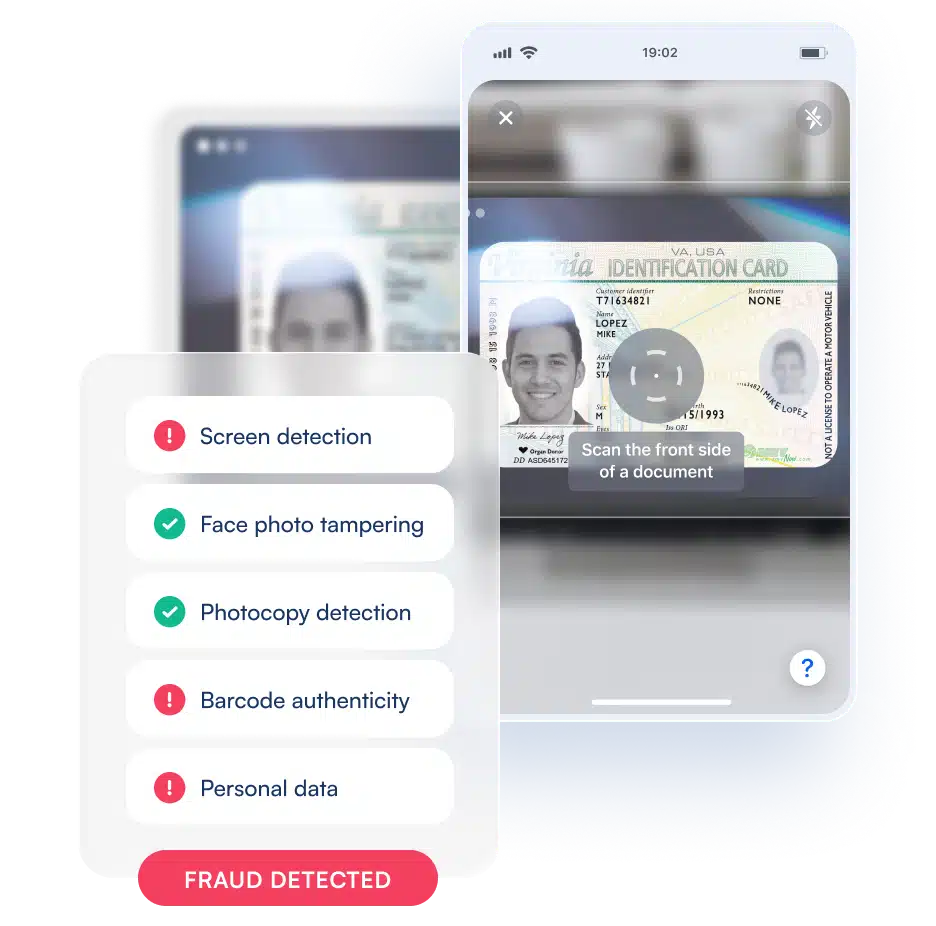
Integration typically begins by mapping the existing onboarding workflow to identify points where identity verification occurs. From there, businesses connect verification APIs that capture and authenticate identity documents directly from mobile devices or web cameras. Biometric checks and liveness detection ensure the person presenting the document matches the identity being verified.
Once implemented, the verification system can feed results directly into the onboarding workflow, automatically approving legitimate users while escalating suspicious cases for additional review. This automation dramatically reduces wait times while maintaining strong security controls.
Regulatory Compliance and Guest Satisfaction
Regulatory requirements such as KYC, AML, and data privacy laws often introduce additional complexity into onboarding flows. Businesses must verify customer identities, store verification records securely, and demonstrate compliance during audits.
When compliance processes are poorly implemented, they create friction that damages guest satisfaction scores. Customers may be asked to repeatedly upload documents, answer confusing verification questions, or wait for manual approval.
Modern identity verification systems help solve this challenge by automating compliance checks while maintaining a smooth customer experience. Document authentication, biometric validation, and secure data handling ensure regulatory requirements are met without forcing customers through complicated workflows.
Improving Guest Satisfaction Through Identity Intelligence
Improving guest satisfaction scores requires more than incremental design improvements. It requires infrastructure that supports fast, secure, and reliable onboarding experiences at scale.
Microblink’s Identity Intelligence OS helps organizations automate identity verification while maintaining strong fraud protection and regulatory compliance. By enabling real-time document capture, biometric validation, and automated decisioning, businesses can verify users quickly while reducing friction.
When onboarding becomes faster and more reliable, customers complete registration more often, trust the platform sooner, and ultimately report higher satisfaction with their experience.
Guest satisfaction scores reflect the quality of every interaction customers have with your business, starting with onboarding. Organizations that combine strong security with seamless verification workflows are able to build trust without slowing the customer journey.
For product managers responsible for digital onboarding, improving guest satisfaction often begins with rethinking how identity verification is implemented. When verification becomes fast, accurate, and invisible to the user, satisfaction scores naturally follow.