
What is Travel Fraud?
Travel fraud involves deceptive schemes designed to steal money, personal information, or both from people planning or taking trips. These scams have grown more sophisticated with digital technology, targeting millions of travelers each year through fake websites, fraudulent accommodations, and phishing operations. Anyone booking trips online needs to understand travel fraud, as financial losses can range from hundreds to thousands of dollars with little chance of recovery.
How Criminals Target Travelers Through Different Scam Types
Travel fraudsters use various methods to target unsuspecting travelers at different stages of trip planning and execution. Recognizing these schemes helps travelers spot threats before becoming victims.
The following table provides an overview of the most common travel fraud types:
| Fraud Type | How It Works | Common Targets | Typical Red Flags | Potential Loss
|
|---|---|---|---|---|
| Fake Booking Websites | Fraudulent sites mimic legitimate travel platforms to steal payment information | Budget-conscious travelers seeking deals | Unsecured URLs, no customer service contact, prices significantly below market rates | $500-$5,000+ |
| Vacation Rental Fraud | Scammers create fake listings on legitimate platforms or operate entirely fraudulent rental sites | Families and groups seeking private accommodations | Requests for wire transfers, no reviews, stolen property photos | $1,000-$10,000+ |
| Credit Card Skimming | Devices installed at ATMs, hotels, or tourist locations capture card data | All travelers using payment cards abroad | Loose card readers, unusual device attachments, requests to swipe multiple times | $500-$2,000+ |
| Fraudulent Travel Deals | Too-good-to-be-true packages offered through email, social media, or phone calls | Seniors and deal-seekers responding to unsolicited offers | High-pressure sales tactics, upfront fees, vague itinerary details | $2,000-$15,000+ |
| Romance/Advance Fee Scams | Criminals build fake relationships to request money for travel emergencies or meetings | Solo travelers and those seeking companionship online | Requests for money transfers, reluctance to video chat, elaborate emergency stories | $1,000-$50,000+ |
How These Fraud Methods Work
Fake Booking Websites and Phishing Scams represent the most common form of travel fraud. These sites often look legitimate but lack proper security certificates and customer protection measures.
Vacation Rental Fraud has increased dramatically with the popularity of platforms like Airbnb and VRBO. Scammers either hijack legitimate listings or create entirely fake properties using stolen photos.
Credit Card Skimming remains common at tourist destinations where travelers frequently use ATMs and payment terminals in unfamiliar locations.
Fraudulent Travel Deals typically target travelers through unsolicited communications promising exclusive packages or limited-time offers that require immediate payment.
Romance and Advance Fee Scams exploit emotional connections, with criminals posing as potential romantic partners or travel companions who eventually request financial assistance.
Spotting Fraud Before It Happens
Recognizing fraud indicators before completing transactions or sharing personal information is crucial for travel safety. These warning signs often appear during the research and booking phases of travel planning.
Website and Platform Warning Signs
- Unsecured URLs: Legitimate travel sites use HTTPS encryption, indicated by a lock icon in the browser address bar
- Poor website quality: Spelling errors, broken links, or unprofessional design often indicate fraudulent operations
- Missing contact information: Legitimate businesses provide multiple contact methods including phone numbers and physical addresses
- No customer reviews: Absence of reviews or only recent, overly positive reviews may indicate fake operations
Payment and Pricing Warning Signs
- Requests for wire transfers: Legitimate travel companies accept credit cards and other secure payment methods
- Prices significantly below market rates: Deals that seem too good to be true typically are fraudulent
- Unusual payment methods: Requests for cryptocurrency, gift cards, or prepaid cards indicate potential fraud
- Upfront fees for « free » trips: Legitimate promotions don’t require payment to claim prizes or deals
Communication Warning Signs
- High-pressure sales tactics: Legitimate businesses allow time for decision-making and don’t create artificial urgency
- Unrealistic time limits: Claims that deals expire within hours or require immediate action
- Vague or evasive responses: Difficulty getting specific information about accommodations, itineraries, or policies
- Reluctance to provide documentation: Legitimate providers readily share booking confirmations, terms, and conditions
Protecting Yourself From Travel Fraud
Implementing protection strategies significantly reduces the risk of becoming a travel fraud victim. These practices should be applied throughout the travel planning and booking process.
Website and Agency Verification
- Research company credentials: Check business registration, Better Business Bureau ratings, and industry certifications
- Verify contact information: Call provided phone numbers and confirm physical addresses exist
- Read terms and conditions: Legitimate companies provide clear cancellation policies and customer protection information
- Check domain age and registration: Use WHOIS lookup tools to verify when websites were created and registered
Secure Payment Practices
- Use credit cards for major purchases: Credit cards offer better fraud protection than debit cards or wire transfers
- Avoid public Wi-Fi for bookings: Use secure, private internet connections when entering payment information
- Monitor account statements: Review charges immediately after booking and report suspicious activity quickly
- Save all documentation: Keep confirmation emails, receipts, and correspondence for dispute resolution
Research and Verification Techniques
- Cross-reference multiple sources: Compare prices and reviews across different platforms before booking
- Verify accommodation existence: Use Google Street View and reverse image searches to confirm properties exist
- Contact accommodations directly: Call hotels or rental properties to confirm reservations made through third parties
- Check cancellation policies: Understand refund terms before completing bookings
Travel Insurance and Protection
- Purchase travel insurance: Protect against trip cancellations, medical emergencies, and some fraud scenarios
- Understand coverage limitations: Review policy details to know what fraud-related losses are covered
- Document everything: Keep detailed records of all travel-related transactions and communications
- Report fraud immediately: Contact banks, credit card companies, and relevant authorities as soon as fraud is suspected
Safe Online Practices
- Use strong, unique passwords: Create different passwords for each travel-related account
- Enable two-factor authentication: Add extra security layers to important accounts when available
- Keep software updated: Maintain current browser and security software versions
- Be cautious with personal information: Limit sharing of travel plans and personal details on social media
Final Thoughts
Travel fraud continues to evolve as criminals develop new methods to exploit travelers’ trust and excitement about upcoming trips. The most effective protection combines awareness of common scams, recognition of warning signs, and implementation of secure booking practices. By verifying websites and agencies, using secure payment methods, and maintaining healthy skepticism about deals that seem too good to be true, travelers can significantly reduce their fraud risk.
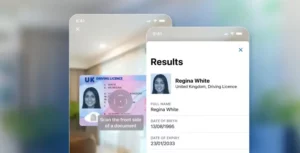
The travel industry increasingly relies on advanced fraud detection systems to protect both businesses and consumers. Reputable travel and payment companies invest in sophisticated security technologies, such as those developed by companies like Microblink, which specializes in document authentication and fraud detection capabilities. These systems help legitimate platforms verify customer identities and detect fraudulent payment attempts, providing an additional layer of protection for travelers who choose established, security-conscious booking platforms.
Remember that legitimate travel companies prioritize customer protection and transparency. When in doubt, take time to research thoroughly, ask questions, and trust your instincts—a few extra minutes of verification can prevent significant financial losses and travel disruptions.