
Digital Guest Experience: Stop Fraud Without Killing Check-In Speed
The digital guest experience has become a defining factor in how hotels, resorts, and travel brands compete. Guests now expect the same speed, convenience, and personalization they experience in digital banking or e-commerce, yet hospitality organizations operate under stricter regulatory, fraud, and operational constraints. For product managers, the challenge is no longer whether to digitize the guest journey, but how to do it in a way that improves experience while maintaining compliance, security, and operational efficiency, while minimizing hospitality fraud.
At its core, the digital guest experience refers to how guests interact with a brand across their entire journey, from booking and identity verification to check-in, room access, and post-stay engagement. When designed well, digital experiences reduce wait times, eliminate manual paperwork, and allow staff to focus on higher-value guest interactions. When designed poorly, they introduce friction, false rejections, and compliance risk that can undermine trust before a guest even arrives.
Why Digital Guest Experience Is No Longer Just a UX Problem
Hospitality has historically relied on manual identity checks, front-desk verification, and fragmented systems. These approaches struggle to scale during peak travel periods and are increasingly vulnerable to synthetic identity fraud and ID document forgery. At the same time, regulatory expectations around identity verification, sanctions screening, and record-keeping continue to tighten, especially for international travelers.
This creates a tension product teams feel acutely: tighter controls often slow the experience, while faster flows can increase risk. The solution is not choosing between speed and security, but embedding intelligence into the guest journey so verification happens quickly, accurately, and invisibly in the background.
Digital Onboarding and Check-In as the First Trust Moment
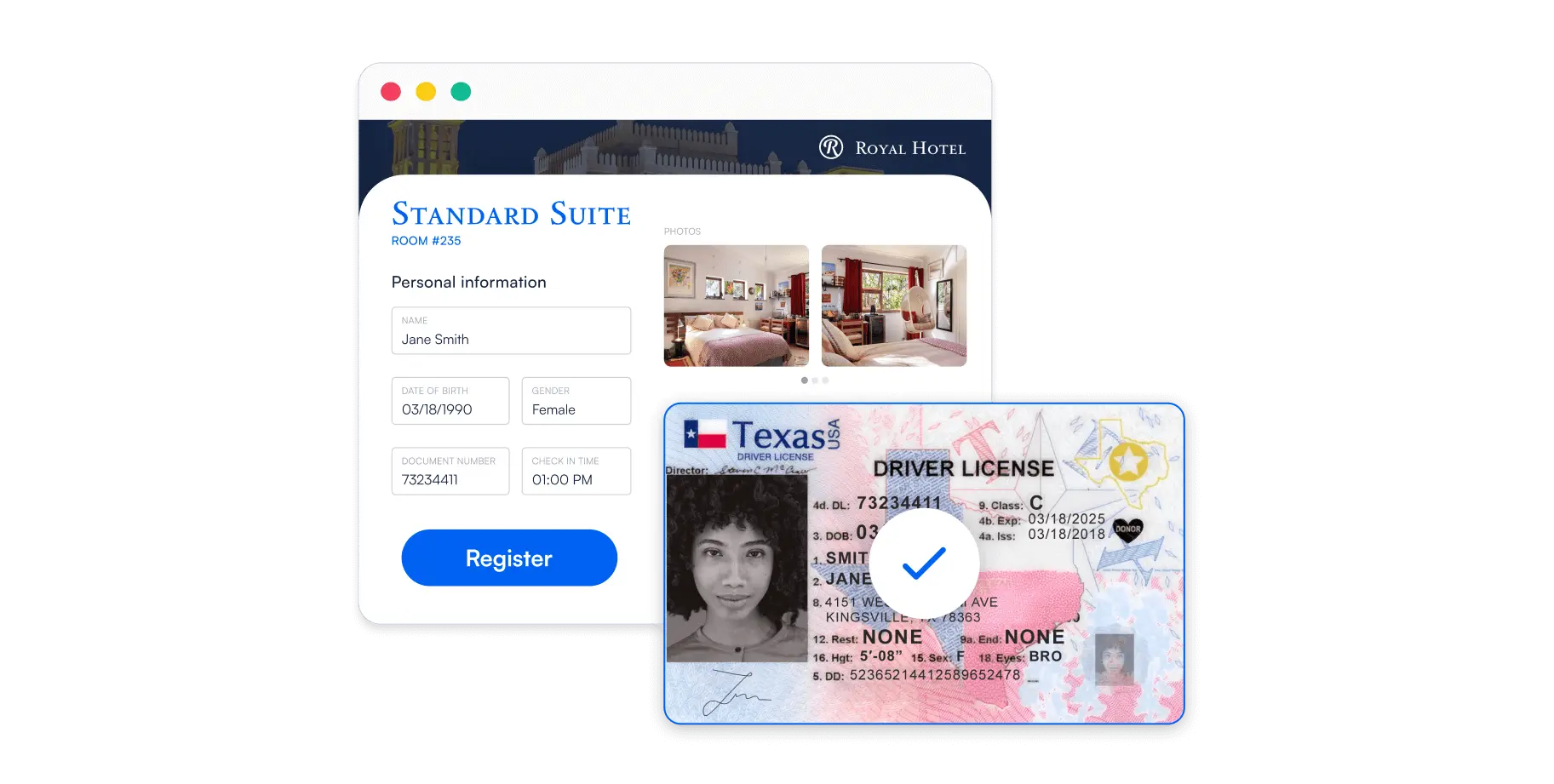
Digital guest onboarding has become the first true trust checkpoint in modern hospitality. Mobile check-in, self-service kiosks, and pre-arrival identity verification allow properties to move guests through arrival without long queues or repetitive document handling. When identity verification is automated and mobile-first, guests can confirm who they are before they ever reach the front desk, reducing congestion and improving first impressions.
The key is ensuring these flows are resilient. Verification systems must handle global identity documents, variable capture conditions, and different risk profiles without forcing unnecessary retries or manual reviews. High false rejection rates not only frustrate guests, they increase staff workload and erode confidence in digital processes.
Fraud Prevention Without Guest Friction
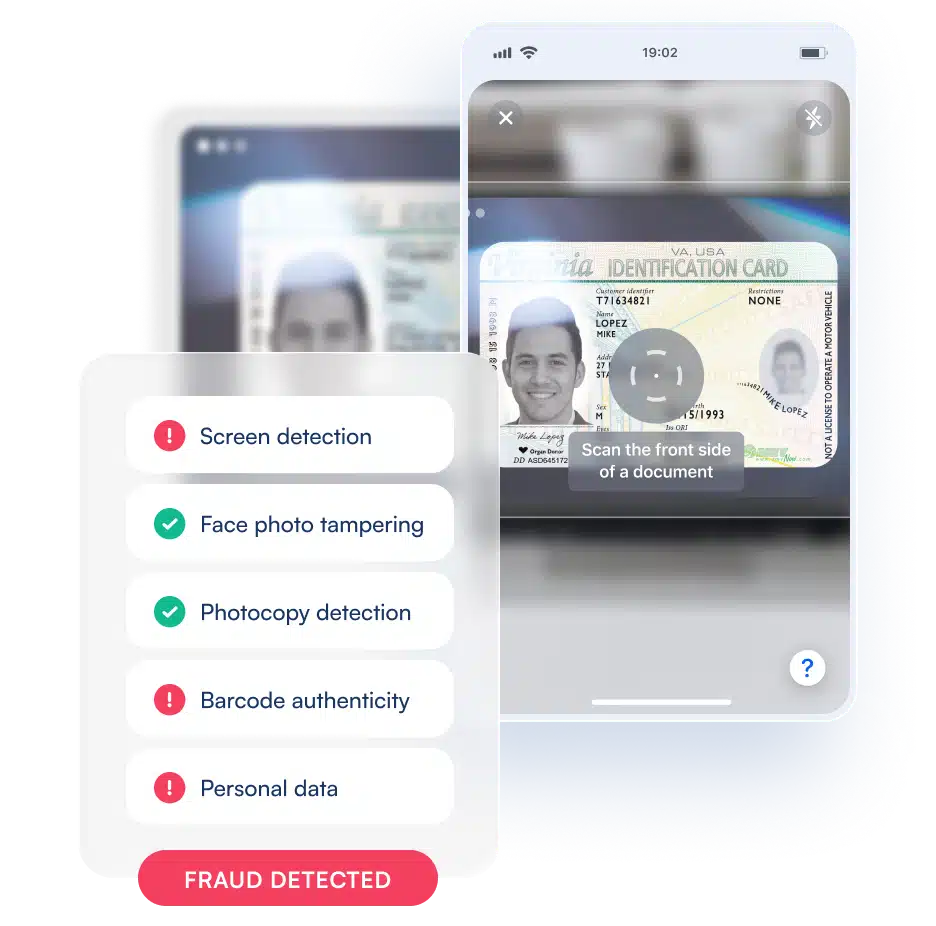
Fraud prevention is an unavoidable part of the digital guest experience, particularly as hospitality becomes more digital and remote and utilize agentic commerce more frequently. Synthetic identities, stolen documents, and AI-generated forgeries increasingly target travel and lodging platforms, especially during peak seasons when volume overwhelms manual review.
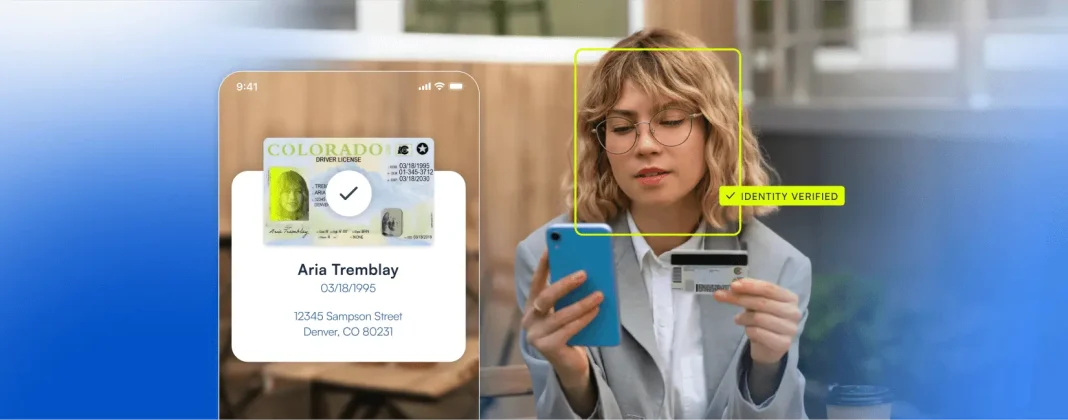
Modern identity verification relies on AI-powered document analysis, biometric face matching, and liveness detection to confirm that a real person is present and that their credentials are authentic. When these checks operate on-device and in real time, they preserve privacy, reduce latency, and stop fraud without slowing legitimate guests. This approach shifts fraud detection earlier in the journey, preventing bad actors from ever entering downstream systems.
Compliance Built Into the Guest Journey
Compliance is often treated as a backend obligation, but in hospitality it directly shapes the guest experience. KYC and AML requirements, sanctions screening, and audit-ready identity records must be satisfied without turning check-in into an interrogation. Digital guest experience platforms that automate verification and logging allow compliance to happen continuously rather than as a disruptive, one-time hurdle.
By capturing identity data accurately at onboarding and maintaining secure audit trails, hospitality organizations can pass regulatory examinations while avoiding repetitive checks for returning guests. This creates a smoother experience for loyal travelers and reduces the operational burden on staff.
What a Modern Digital Guest Experience Includes
A high-performing digital guest experience brings together experience design, identity intelligence, and operational control. The most effective implementations focus on a small set of core capabilities that work together across the guest lifecycle:
- Mobile-first guest onboarding and check-in that eliminates front-desk bottlenecks
- AI-powered identity verification with document scanning, face matching, and liveness detection
- Adaptive verification flows that reduce false rejections for legitimate guests
- Built-in KYC and AML compliance with real-time checks and audit-ready records
- Personalized, seamless arrival experiences such as instant room access and digital credentials
Turning Digital Guest Experience Into a Competitive Advantage
For product managers in hospitality and travel, the digital guest experience is no longer a cosmetic upgrade. It is a strategic system that determines how efficiently guests move, how well fraud is controlled, and how confidently compliance requirements are met. The most successful teams treat identity verification as foundational infrastructure rather than a standalone step, allowing trust to scale alongside experience.
By combining fast, automated verification with intelligent risk assessment, hospitality brands can reduce wait times, minimize false declines, and protect against evolving fraud without compromising the guest journey. The result is a digital guest experience that feels effortless to the traveler, resilient to fraud, and ready for the regulatory realities of modern travel.