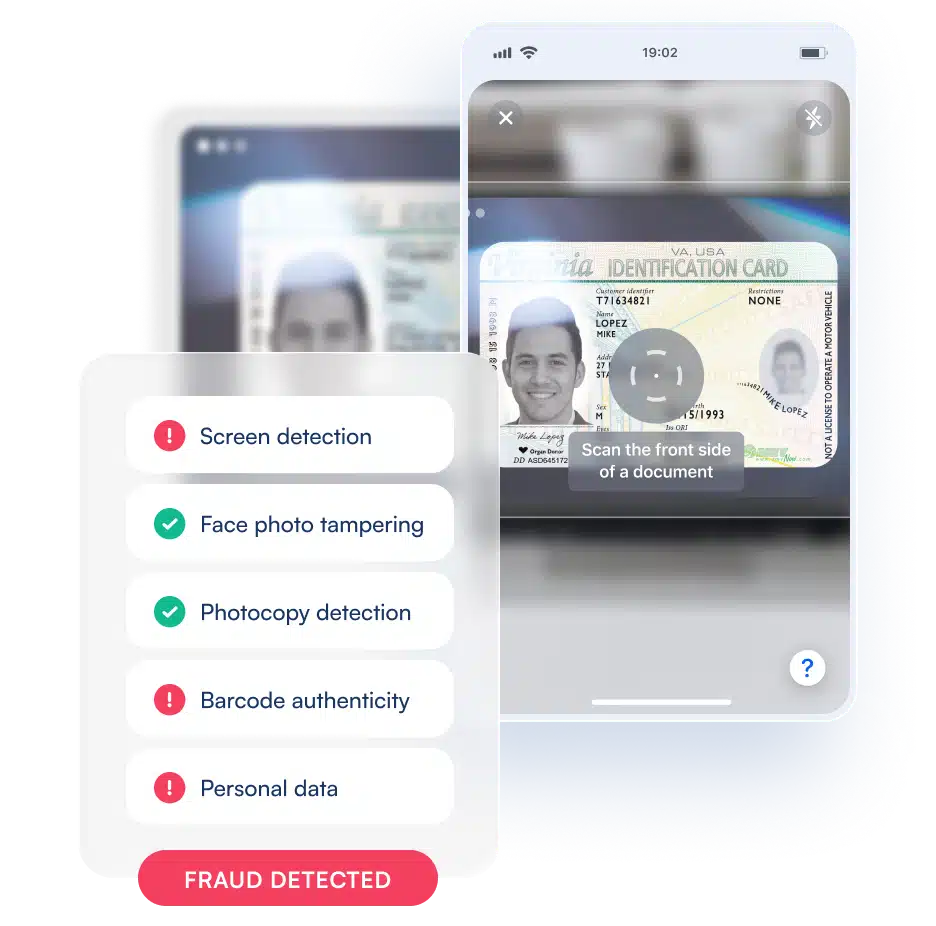

Identity Analytics and Intelligence: Stop Synthetic Fraud Before It Costs You
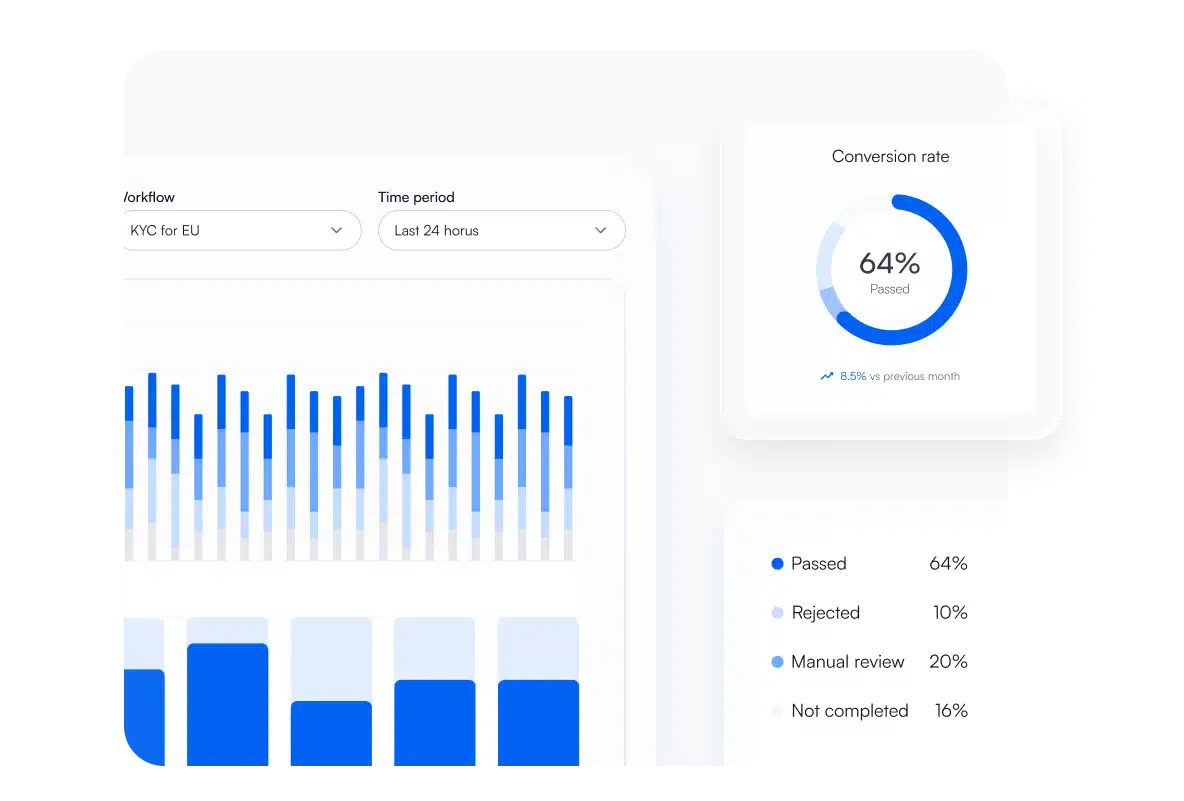
As identity fraud grows more sophisticated, traditional verification methods are struggling to keep up. Risk management teams are no longer just validating whether an ID looks legitimate. They are being asked to determine whether the entire interaction is trustworthy, in real time, and at scale. This is where identity analytics intelligence becomes critical.
Identity analytics intelligence moves beyond static checks by analyzing identity data, behavioral signals, and contextual patterns to continuously assess risk. Instead of asking “Is this document real?”, the system asks “Does this identity, behavior, and context make sense together?” That shift is essential for detecting synthetic and stolen identities that often pass legacy verification undetected.
What Is Identity Analytics Intelligence?
Identity analytics intelligence refers to the analytical layer that evaluates identity-related signals across documents, biometric verification, device intelligence, and behavior to generate actionable risk insights. It combines AI-driven analysis, real-time decisioning, and historical context to detect anomalies that single-point verification tools miss.
Unlike traditional identity verification, which typically ends once onboarding is complete, identity analytics intelligence can be applied throughout the customer lifecycle. This allows organizations to reassess trust as behavior evolves, risk profiles change, or new fraud patterns emerge.
Why Traditional Identity Verification Falls Short
Fraudsters today are patient, coordinated, and increasingly automated. Synthetic identities are carefully constructed to pass basic checks. Stolen identities often come with real documents and accurate personal data. In both cases, the weakness isn’t the lack of identity verification, it’s the lack of intelligence layered on top of it.
Organizations relying solely on pass/fail verification metrics often discover fraud only after onboarding, when downstream losses or compliance alerts surface. Identity analytics intelligence helps close this gap by correlating multiple signals and identifying subtle inconsistencies before fraud escalates.
Key Signals That Separate Legitimate Users From Fraudsters
Effective identity analytics intelligence depends on analyzing the relationship between signals, not just the signals themselves. High-performing platforms evaluate combinations of document authenticity, biometric consistency, device behavior, session patterns, and user interaction flow to surface risk that would otherwise remain invisible.
- Document and biometric correlation to detect mismatches often present in synthetic identities
- Behavioral patterns such as abnormal speed, repetition, or interaction flow
- Contextual anomalies across geography, device, and session history
- Risk progression signals that indicate escalating intent rather than isolated events
These insights allow fraud teams to distinguish legitimate customers from sophisticated attackers without applying blanket friction.
Reducing False Positives Without Letting Fraud Through
One of the biggest challenges risk teams face is reducing false positives without weakening fraud controls. Overly rigid rules and manual reviews often block legitimate customers, driving abandonment and lost revenue.
Identity analytics intelligence enables a risk-based approach where low-risk users are approved automatically, while only truly suspicious cases are escalated. This is especially needed in the new world of agentic commerce. By combining multiple signals into a single risk assessment, organizations can increase approval rates while maintaining strong fraud detection.
Identity Analytics Intelligence vs Traditional Identity Verification
| Traditional Identity Verification | Identity Analytics Intelligence |
|---|---|
| One-time verification event | Continuous risk assessment |
| Static rules and thresholds | Adaptive, data-driven models |
| High manual review volume | Automated, real-time decisions |
| Higher false positive rates | Improved approval accuracy |
| Limited fraud visibility | Multi-signal fraud detection |
This evolution is particularly important during peak onboarding periods, when manual processes create bottlenecks and customer frustration.
Performance at Scale During Peak Demand
Modern identity analytics intelligence platforms are designed to operate in real time, even during high-volume onboarding surges. Automated decisioning allows verification to complete in seconds, not minutes, without sacrificing accuracy. This ensures organizations can maintain throughput during peak periods while preserving a seamless user experience.
For leadership teams, this performance translates directly into higher conversion rates, lower operational costs, and reduced fraud exposure.
Compliance, Auditability, and Regulatory Confidence
Beyond fraud prevention, identity analytics intelligence plays a crucial role in KYC and AML compliance. Regulators increasingly expect organizations to demonstrate how identity decisions are made, not just that checks occurred.
Strong platforms provide audit-ready documentation, including verification logs, decision rules, risk scoring rationale, and historical assessments. This creates a defensible compliance posture that supports examinations without increasing operational burden.
Integrating Identity Analytics Intelligence Without Disruption
A common concern among risk leaders is whether advanced analytics require replacing existing systems. In practice, modern identity analytics intelligence platforms are designed to integrate modularly through APIs and SDKs. This allows organizations to enhance fraud detection and compliance without overhauling core onboarding or risk infrastructure.
This incremental approach reduces implementation risk while allowing teams to expand capabilities over time.
Why Identity Analytics Intelligence Is Becoming Essential
As fraud tactics evolve and regulatory expectations rise, identity analytics intelligence is no longer optional. It provides the analytical depth required to detect sophisticated fraud, the automation needed to reduce friction, and the transparency necessary to satisfy auditors.
For risk management specialists, identity analytics intelligence represents the next stage of identity verification: one where data, behavior, and context work together to protect both the business and its customers.