
What is Zelle Scam?
Zelle scams are fraudulent schemes that exploit the instant payment features of the Zelle digital payment network to steal money from users. These scams take advantage of Zelle’s immediate, irreversible transfers and the trust people place in what appears to be a legitimate banking service. Understanding these scams matters because once money is sent through Zelle, recovery is extremely difficult, and victims often have limited recourse through traditional banking protections.
Common Zelle Scam Methods
Fraudsters have developed sophisticated tactics to exploit Zelle’s instant payment system, targeting users through various deceptive schemes. These scams rely on creating urgency, exploiting trust, and manipulating victims into sending money quickly before they can recognize the fraud.
The following table provides an overview of the primary Zelle scam types and their characteristics:
| Scam Type | How It Works | Common Scenarios/Examples | Primary Targets | Urgency Level
|
|---|---|---|---|---|
| Fake Buyer/Seller Overpayment | Scammer «accidentally» sends more money than agreed, then requests the difference back | Online marketplace sales, rental deposits, freelance payments | Online sellers, landlords, service providers | High – claims urgent need for refund |
| Impersonation Scams | Fraudster poses as bank representative or family member in distress | «Your account is compromised, send money to secure it» or «I’m in jail, need bail money» | Elderly individuals, parents, bank customers | Extreme – creates panic about immediate consequences |
| Romance/Dating Scams | Scammer builds emotional relationship, then requests money for emergencies | Military deployment, medical emergency, travel costs to meet | Lonely individuals, recent divorcees, widows/widowers | Moderate – builds over time with emotional manipulation |
| «Accidental Payment» Reversal | Fraudster claims they sent money by mistake and requests it back | «Wrong phone number» payment, «meant for someone else» | General Zelle users, especially new users | High – claims bank will reverse if not returned quickly |
| Tech Support Scams | Fake technical support requests payment to «fix» computer or account issues | Microsoft/Apple support, antivirus renewal, account verification | Elderly users, less tech-savvy individuals | High – claims immediate action needed to prevent damage |
Warning Signs of Zelle Fraud
Recognizing warning signs before sending money is your best defense against Zelle scams. Scammers use predictable tactics that create artificial urgency and pressure victims into making quick decisions without proper verification.
Key red flags that indicate a potential Zelle scam include:
- Urgent payment requests from unknown contacts – Legitimate businesses and individuals rarely demand immediate payment from strangers
- Deals that seem too good to be true – Significantly below-market prices or guaranteed returns that seem unrealistic
- Pressure for immediate payment – Scammers create artificial deadlines to prevent victims from thinking critically or seeking advice
- Requests to «verify» accounts with money – No legitimate financial institution asks customers to send money as verification
- Unsolicited contact about prizes or refunds – Unexpected notifications about winnings or overpayments you didn’t initiate
- Refusal to meet in person or speak by phone – Scammers avoid direct contact that might reveal their true identity
- Poor grammar or spelling in communications – Many scams originate from non-native English speakers
- Requests to keep transactions secret – Legitimate transactions don’t require secrecy from family or friends
Always verify the identity of anyone requesting Zelle payments through independent channels. Contact banks directly using official phone numbers, not numbers provided in suspicious messages.
Steps to Take After Being Scammed
If you’ve fallen victim to a Zelle scam, immediate action is critical to minimize damage and potentially recover funds. While Zelle offers limited fraud protection compared to credit cards, taking swift action can improve your chances of resolution.
The following table outlines the essential steps to take after being scammed, organized by priority and timing:
| Priority Level | Action Required | Who to Contact | Information Needed | Expected Outcome | Time Sensitivity
|
|---|---|---|---|---|---|
| Immediate | Contact your bank | Your bank’s fraud department | Transaction details, scammer contact info | Account monitoring, possible reversal attempt | Within minutes/hours |
| Within Hours | Report to Zelle | Zelle customer support | Transaction ID, recipient details, scam description | Investigation initiation, documentation | Same day |
| Within 24 Hours | File FTC complaint | Federal Trade Commission online | All transaction records, communication evidence | Official fraud report, database entry | 1-2 days maximum |
| Within 48 Hours | Report to FBI IC3 | Internet Crime Complaint Center | Complete scam details, financial losses | Federal investigation consideration | 2-3 days maximum |
| Ongoing | Monitor all accounts | Bank security departments | Account statements, credit reports | Early fraud detection, prevention of additional losses | Daily for first month |
| Ongoing | Document everything | Personal records | Screenshots, emails, transaction records | Evidence for potential legal action | Continuous |
Important limitations to understand:
- Zelle transactions are typically final and irreversible
- Banks may not reimburse Zelle scam losses if you authorized the payment
- Recovery success rates are significantly lower than credit card fraud cases
- Some banks offer goodwill reimbursements on a case-by-case basis
Continue monitoring your accounts for several months after the incident, as scammers may attempt additional fraud using your compromised information.
Final Thoughts
Zelle scams exploit the platform’s instant payment features and users’ trust in what appears to be a bank-backed service. The most effective protection is prevention through recognizing red flags and verifying requests independently. If you become a victim, act immediately by contacting your bank and reporting the fraud to authorities, though recovery options remain limited.
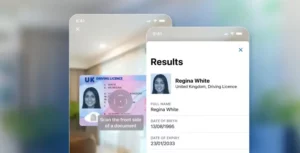
Financial institutions are increasingly deploying advanced identity verification technologies to combat these types of scams, with companies such as Microblink developing AI-powered solutions that can detect fraudulent documents and synthetic identities before they’re used to create accounts. These fraud prevention specialists focus on document authentication and presentation attack detection, helping banks identify the fake identities that scammers use to establish fraudulent accounts and perpetrate Zelle fraud.