
Hospitality Fraud: How Hotels Stop Identity Theft and Payment Scams

Hospitality fraud is no longer limited to stolen credit cards or fake bookings.
Today, fraud in the hospitality industry is faster, more automated, and increasingly identity-driven. Fraudsters are exploiting weak onboarding processes, impersonating guests, and using synthetic identities to bypass traditional controls.
For hotels, resorts, travel platforms, and restaurants, the challenge is clear: how to prevent fraud without disrupting the guest experience.
The Most Common Types of Hospitality Fraud
Fraud in hospitality often hides in plain sight. Many attacks begin during booking or check-in and only surface after financial loss has already occurred.
1. Chargeback Fraud
Guests dispute legitimate transactions after their stay, claiming unauthorized use. This creates revenue loss and operational overhead and is often friendly fraud.
2. Synthetic Identity Fraud
Fraudsters create fake identities using a mix of real and fabricated information to open accounts or make bookings.
3. Stolen Identity and Payment Fraud
Compromised credentials or stolen payment details are used to book rooms or services and commit identity fraud in the hospitality industry.
4. Account Takeover
Fraudsters gain access to legitimate guest accounts and redeem loyalty points or make fraudulent reservations.
5. Deepfake and Impersonation Fraud
AI-generated identities and manipulated biometric signals are increasingly used to bypass identity verification systems.
Why Hospitality Businesses Are a Prime Target
Hospitality operates at the intersection of high transaction volume, fast onboarding, and global customer bases.
This creates ideal conditions for fraud:
- Speed over scrutiny during booking and check-in
- High-value transactions tied to rooms, services, and payments
- Global guests with varying identity documents
- Limited identity verification at check-in in many environments
Fraudsters exploit these gaps to create accounts, make bookings, and disappear before detection.
Where Hospitality Fraud Starts: Weak Identity Verification
Many hospitality businesses focus on payment validation but overlook identity verification.
This creates a critical vulnerability.
If a fraudulent identity is accepted during booking or check-in:
- Transactions appear legitimate
- Fraud detection becomes reactive instead of proactive
- Losses are discovered only after the guest has checked out
Weak onboarding leads to:
- Increased chargebacks
- Higher fraud losses
- Compliance risks in regulated markets
- Poor guest trust and brand damage
How to Detect Stolen and Synthetic Identities
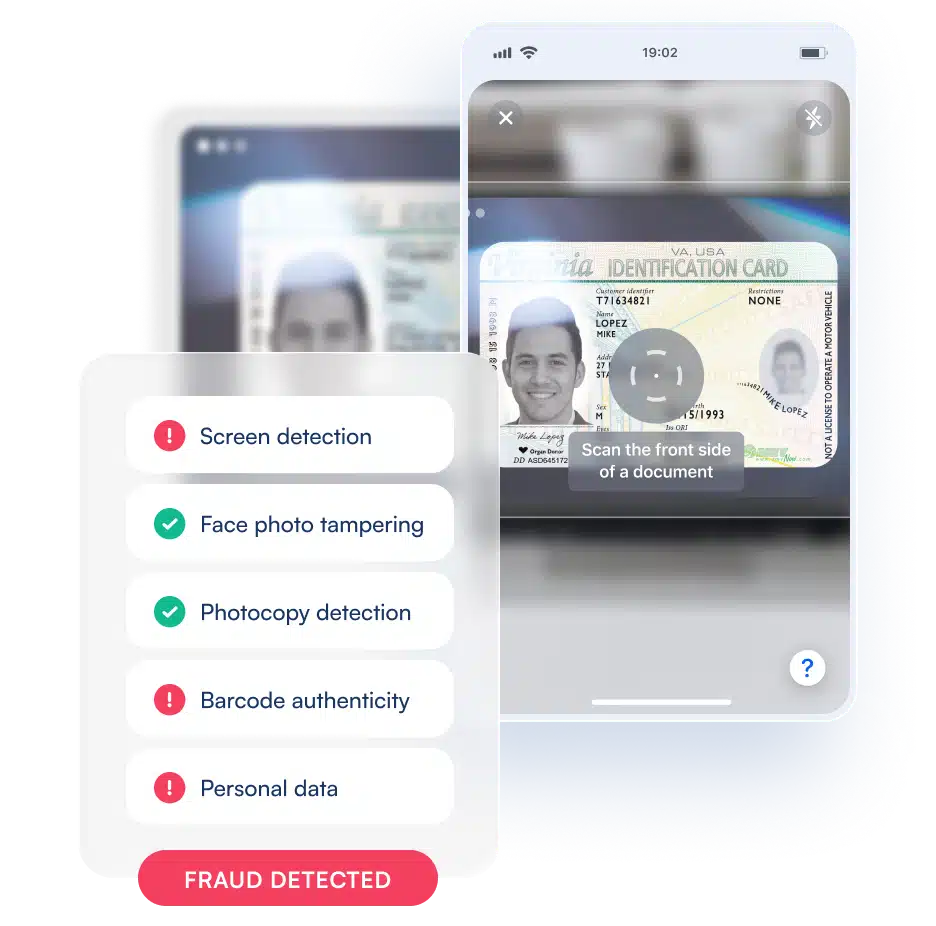
Modern hospitality fraud requires more than basic document checks.
Key detection methods
- Document verification
Ensure IDs are authentic and not altered or forged. - Biometric identity verification
Match the guest’s face to the ID document. - Liveness detection
Confirm the user is physically present, not using a photo, video, or deepfake. - Behavioral analysis
Identify suspicious booking patterns, device reuse, or unusual activity. - Real-time risk scoring
Evaluate identity risk instantly during booking and check-in.
These methods allow businesses to stop fraud before it turns into financial loss.
The Real Cost of Hospitality Fraud
Fraud impacts more than just revenue.
Financial impact
- Chargebacks and lost transactions
- Refund abuse
- Loyalty program exploitation
Operational impact
- Increased manual review workload
- Higher customer support costs
- Slower onboarding and check-in processes
Reputational impact
- Loss of customer trust
- Negative guest experiences
- Brand damage
Fraud also increases regulatory exposure, particularly for businesses operating in regions with strict KYC or AML requirements.
How to Prevent Hospitality Fraud Without Adding Friction
Hospitality is built on seamless experiences. Fraud prevention cannot come at the expense of guest satisfaction.
Modern approaches focus on automation and intelligent verification:
- Mobile-first identity verification
Guests verify their identity quickly using their device. - Automated document and biometric checks
Reduce reliance on manual review. - Risk-based authentication
Apply additional verification only when necessary. - Pre-arrival identity verification
Verify guests before they arrive to reduce friction at check-in.
These strategies allow hospitality businesses to maintain speed while improving security.
How Microblink Helps Prevent Hospitality Fraud
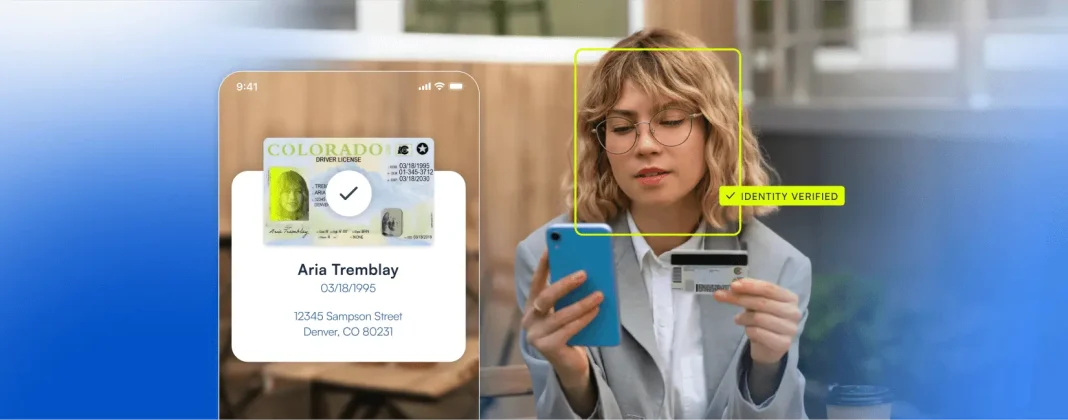
Microblink provides an AI-powered identity intelligence solution designed to help hospitality businesses verify guests and detect fraud in real time.
By combining:
- advanced ID document verification
- biometric face matching
- liveness detection
- machine learning-based fraud signals
Microblink enables hospitality organizations to:
- prevent synthetic and stolen identity fraud
- reduce chargebacks and payment fraud
- improve guest onboarding and check-in speed
- minimize manual review and operational costs
- support compliance with KYC and AML requirements
Microblink helps transform identity verification into a seamless, automated part of the guest experience.
The Future of Hospitality Fraud Prevention
Hospitality fraud is evolving alongside digital transformation.
As booking and check-in processes become more automated, fraudsters are adapting with more sophisticated identity-based attacks.
The future of fraud prevention lies in continuous identity verification, where businesses can confidently assess who their guests are at every stage of the journey.