
How to Prevent Friendly Fraud Without Blocking Good Customers

Friendly fraud happens when a legitimate customer disputes a real transaction, often resulting in a chargeback. Unlike classic fraud, there’s no stolen card or hacked account, it’s the customer themselves who files the dispute.
While the intent may not always be malicious, the consequences are the same: higher chargeback ratios, financial losses, and strained relationships with payment networks. Research suggests that friendly fraud accounts for up to 60–70% of all chargebacks, costing businesses billions annually.
Root Causes and Customer Psychology
Most customers don’t set out to commit fraud. Instead, friendly fraud often stems from:
- Confusion – unclear billing descriptors or forgotten subscriptions
- Buyer’s remorse – regret after making a purchase, or losing funds in an online gambling platform.
- Process ignorance – misunderstanding how returns or cancellations work
- Family disputes – children or spouses making unrecognized purchases
Understanding these motivations is essential to prevention.
Prevention Through Customer Experience Optimization
A strong defense against friendly fraud doesn’t always start with technology, but rather with clarity in the customer journey. Many chargebacks happen because customers don’t recognize a transaction on their bank statement, can’t easily find a refund policy, or feel stonewalled by slow support. By making the experience transparent and user-friendly, businesses can dramatically cut down on disputes.
Some proven tactics include:
- Clear billing descriptors – Use your actual brand or product name so customers instantly recognize the charge. Generic or confusing descriptors (“ONLINE-1234”) are one of the top triggers for friendly fraud.
- Accessible cancellation and refund options – Customers who feel “trapped” are more likely to turn to their bank instead of your support team. Self-service cancellation portals, visible refund policies, and quick refunds for valid cases can prevent this.
- Real-time confirmations – Send immediate purchase receipts, shipping updates, and subscription renewal notices. These reminders reinforce legitimacy and reduce “I didn’t authorize this” claims.
- Empowered customer service – Train frontline staff to resolve disputes quickly and empathetically. A refund granted in minutes is far less costly than a chargeback that escalates to the issuer.
When customers feel informed and supported, they’re more likely to resolve issues directly with the business rather than initiating a chargeback. This not only reduces fraud losses but also strengthens long-term customer trust.
Authentication and Verification Strategies
Friendly fraud often hinges on plausible deniability. Strong authentication and verification mechanisms make it harder for those claims to hold up. They also create a defensible evidence trail if a dispute goes to representment.
Key strategies include:
- Multi-factor authentication (MFA) – Require an extra step (like a one-time passcode or biometric check) for high-value transactions. This makes it harder for customers to later argue the transaction wasn’t legitimate.
- Delivery confirmation with tracking – Digital proof of delivery, especially signatures or photo confirmations, is one of the strongest counterarguments in a chargeback case.
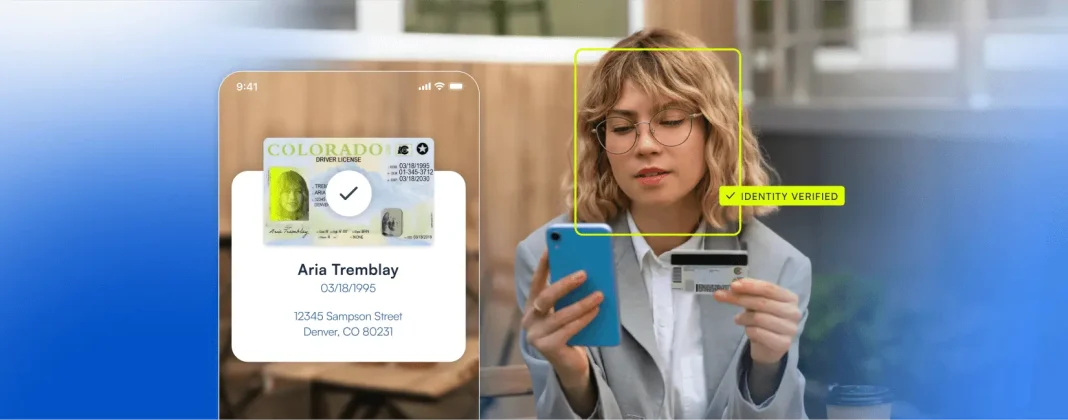
- Biometric or ID verification for new accounts – Verifying identity at onboarding prevents abusing stolen credentials and reduces disputes tied to unauthorized accounts.
- Geo and device intelligence – Monitoring IP addresses, device fingerprints, and geolocation data can flag suspicious activity while also serving as evidence if the transaction is contested.
Together, these measures help build a layered defense. Customers know they can’t easily dispute transactions without evidence, while businesses gain the documentation needed to win chargeback disputes.
Documentation and Evidence Collection
Friendly fraud disputes hinge on proof. Maintaining meticulous records ensures you can fight back.
| Evidence Type | Why It Matters | Examples |
| Transaction Data | Proves payment was authorized | IP address, device ID, timestamp |
| Communication Records | Shows attempts to resolve with customer | Emails, chat logs, support tickets |
| Delivery/Usage Confirmation | Demonstrates product or service was received/used | Shipping tracking, login history |
| Policy Documentation | Establishes customer awareness of terms | Refund/return policy, T&Cs acceptance |
Technology Solutions and Automation
AI-powered fraud detection platforms can analyze thousands of data points in real time. Features include:
- Behavioral analytics to flag unusual customer activity
- Machine learning models that adapt to emerging fraud patterns
- Automated alerts and case management for faster resolution
Microblink’s platform integrates these capabilities, enabling organizations to detect friendly fraud without slowing down legitimate customers.
Cross-Departmental Coordination
Friendly fraud often falls into the cracks between departments. Fraud teams may flag suspicious activity, but if customer service doesn’t know how to communicate policies clearly, disputes slip through. Operations teams, meanwhile, manage fulfillment and delivery confirmations, which are critical evidence when contesting chargebacks.
To prevent friendly fraud effectively, companies need cross-functional workflows:
- Fraud prevention teams supply real-time alerts about suspicious transactions.
- Customer service teams proactively reach out to clarify misunderstandings before they escalate.
- Operations ensure that shipping and service delivery data are logged and easily accessible for evidence.
- Finance teams track chargeback ratios and escalate when thresholds approach network penalties.
By aligning fraud prevention, service, and operations, businesses can catch fraud attempts early, reduce disputes, and respond more effectively when they occur.
Monitoring and Measurement
Prevention strategies are only as strong as the data behind them. Measuring the right KPIs gives fraud leaders visibility into whether friendly fraud controls are working and where improvements are needed.
Key metrics to track include:
- Chargeback ratio – The percentage of transactions resulting in chargebacks, a direct measure of risk exposure.
- Dispute reason codes – Breaking down disputes by category highlights whether customers are confused, dissatisfied, or deliberately abusing the process.
- Win rate in chargeback representment cases – Shows the effectiveness of your documentation and evidence collection.
- Resolution time – Shorter cycles reduce operational overhead and improve customer satisfaction.
- Cost savings – Calculating avoided losses from successfully disputed chargebacks demonstrates ROI to executives.
Businesses should monitor KPIs monthly, identify root causes, and adjust policies or workflows accordingly. Over time, this data-driven approach strengthens both fraud prevention and customer trust.
Subscription and Recurring Billing Fraud Prevention
Recurring billing is fertile ground for friendly fraud. Common triggers include forgotten renewals, confusing billing descriptors, and subscription fatigue. Businesses can reduce disputes by sending pre-billing reminders, offering self-service cancellation, and ensuring transparent renewal policies.
It’s also important for merchants to stay up-to-date on compliance changes related to chargebacks. This means keeping up withVisa and Mastercard dispute resolution rules, maintaining detailed audit trails and training teams on evolving fraud guidelines.
Why Microblink for Friendly Fraud Prevention
Friendly fraud is becoming an increasing problem. Businesses need a solution that balances customer experience, compliance, and operational efficiency while keeping fraud losses under control.
That’s where Microblink comes in. Our AI-powered identity verification platform helps businesses:
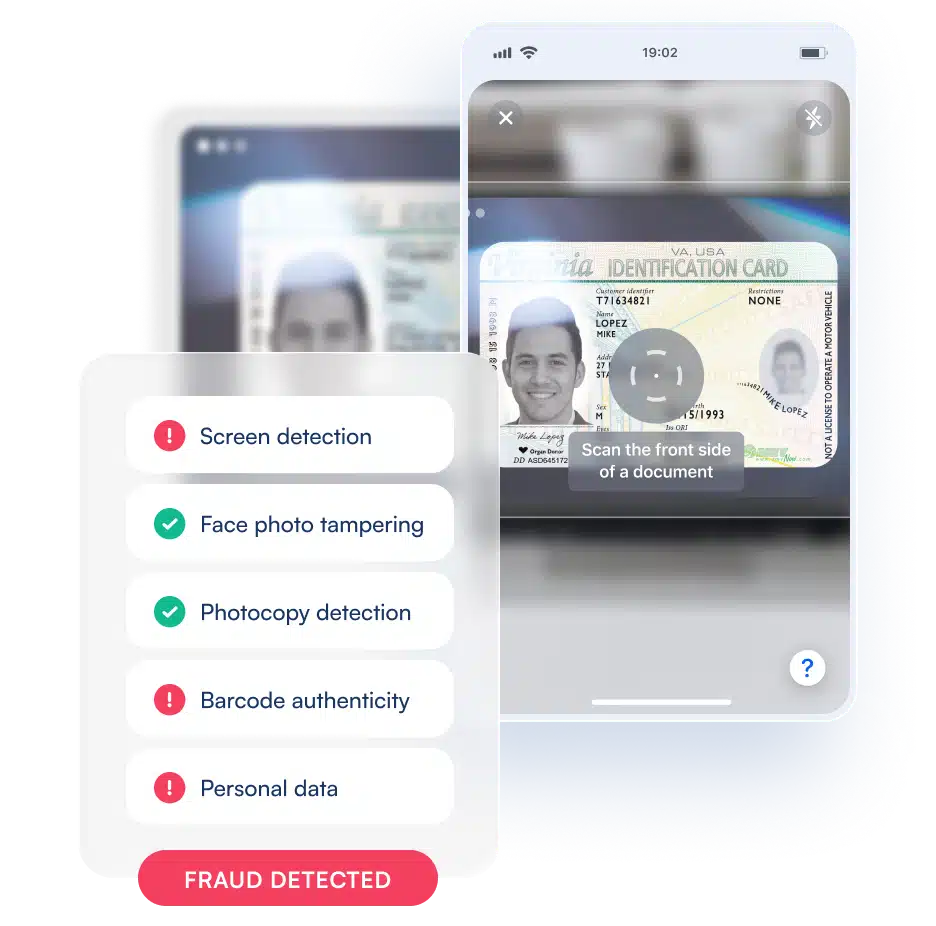
- Authenticate users in real time with advanced document scanning, biometric checks, and liveness detection.
- Reduce false positives by combining behavioral analytics with machine learning, ensuring legitimate customers aren’t blocked.
- Stay audit-ready with automated evidence collection and clear transaction trails for chargeback representment.
- Scale fraud prevention seamlessly with API-driven integrations that fit into existing workflows without adding friction.
Get in touch today to learn more about how Microblink can help your business fight friendly fraud.