
Crypto Fraud Detection: Stop Synthetic Identities Fast

Fraud detection in crypto is one of the most urgent challenges facing risk management teams today. As cryptocurrency adoption grows, so does the sophistication of fraud schemes targeting digital assets, exchanges, and payment platforms. For Chief Risk Officers, VPs of Risk Management, and Fraud Prevention Directors, the stakes couldn’t be higher: weak crypto fraud detection not only invites financial loss but also regulatory penalties and reputational damage.
This guide explores the core fraud risks in cryptocurrency, effective detection and prevention strategies, compliance frameworks, and the technology that risk leaders can use to strengthen their defenses while maintaining seamless customer experiences.
Core Fraud Types & Threats
Fraud in crypto spans both traditional and highly advanced schemes.
Common fraud schemes:
- Investment scams: Fake platforms offering unrealistic returns.
- Impersonation & phishing: Attackers posing as trusted entities to steal keys or credentials.
- Money laundering: Using crypto’s pseudo-anonymity to disguise illicit funds.
Advanced threats:
- Cryptojacking: Unauthorized use of computing power for mining.
- Silent mining: Hidden malware siphoning off processing resources.
- Synthetic identities & deepfakes: Fraudsters using AI-generated personas to bypass onboarding.
The decentralized and irreversible nature of cryptocurrency makes it especially attractive for fraudsters. Once assets move, recovery is difficult.
Detection & Prevention Strategies
Fraud detection in crypto requires a multi-layered approach:
- Behavioral analytics: Spotting unusual transaction patterns or login behavior.
- Real-time monitoring: Automated alerts for suspicious activity across wallets and transactions.
- Threat intelligence integration: Using global feeds to anticipate emerging scams.
- Dark web monitoring: Identifying compromised identities or credentials before they’re used.
- Blockchain forensics: Tracing stolen assets across wallets and exchanges.
When combined, these measures create a holistic defense that evolves alongside fraud tactics.
Investigation & Response
When crypto fraud occurs, swift investigation is critical.
| Step | Action |
| Digital Asset Tracing | Use blockchain forensics to follow stolen funds across wallets and chains. |
| Forensic Best Practices | Preserve evidence integrity with timestamped records and audit trails. |
| Legal Evidence Collection | Document fraud events in formats admissible for regulatory or legal review. |
| Incident Response Workflow | Escalate alerts, coordinate with compliance, and notify affected users. |
Proactive planning ensures that risk teams can act decisively in the critical first hours after fraud is detected.
Compliance & Regulatory Framework
Risk leaders in crypto must balance operational agility with growing regulatory scrutiny. Regulators increasingly require robust fraud detection mechanisms, audit-ready documentation, and clear reporting procedures. Compliance gaps can result in multi-million-dollar penalties, not to mention reputational damage. Building a culture of accountability with thorough documentation and regular audit trails is no longer optional.
Technology Implementation
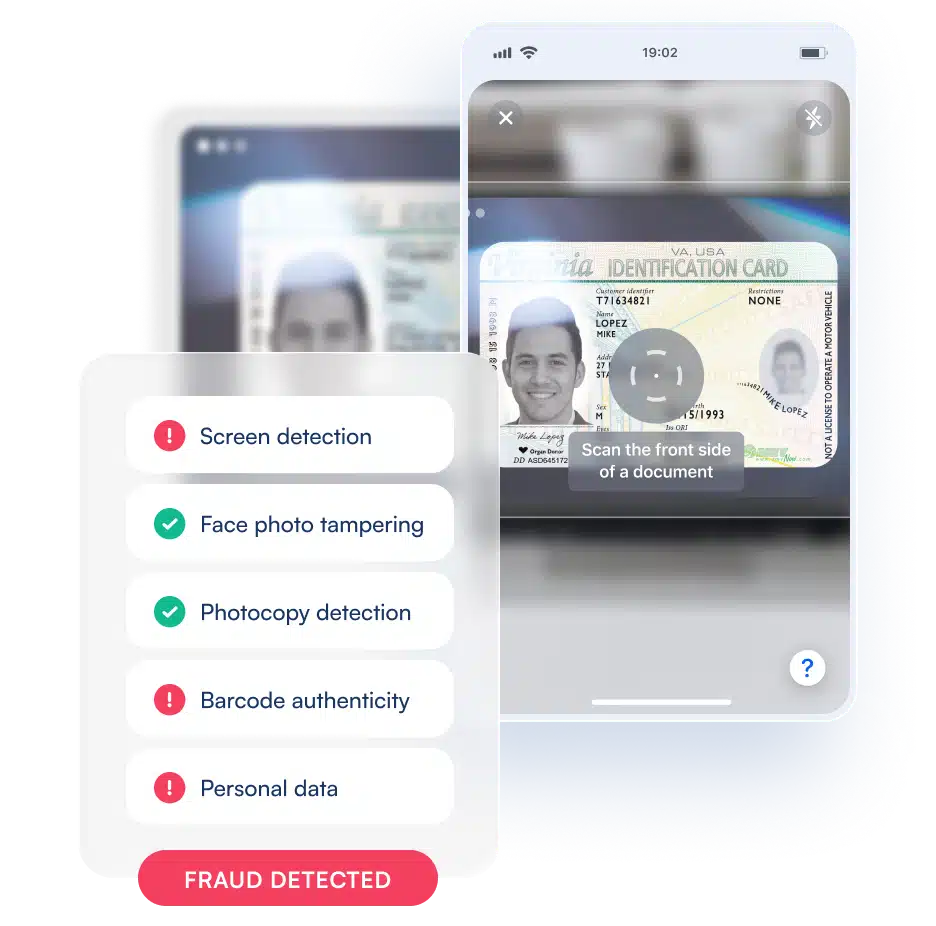
Integrating effective fraud detection tools doesn’t have to create bottlenecks. Microblink’s AI-driven solutions automate monitoring, power instant alerts, and support seamless API integration into existing crypto platforms. This allows developers to embed fraud prevention into the customer journey without adding friction. Real-time checks—document scanning, biometric matching, liveness verification—create a strong front line against fraud while keeping onboarding smooth.
Recovery & Remediation
Even the best systems can’t prevent every fraud attempt. That’s why recovery and remediation matter:
Fraud recovery often involves asset tracing, engaging with exchanges to freeze funds, and working closely with regulators and law enforcement. Post-incident, organizations must conduct forensic analysis to identify gaps, refine workflows, and strengthen detection models. The faster remediation happens, the more trust platforms can preserve with their users.
Technical Implementation Guide
Crypto identity verification workflows are central to fraud detection:
- Document Scanning → Capture and analyze government-issued IDs.
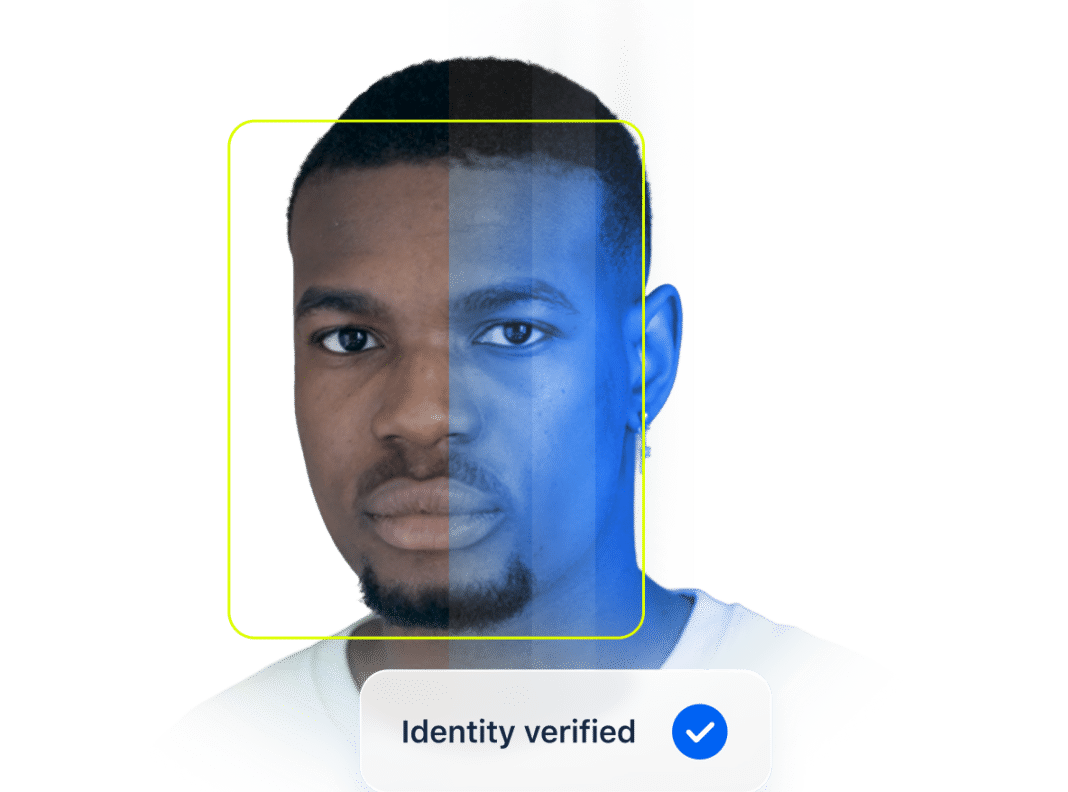
- Biometric Matching → Confirm that the person presenting the ID is the rightful owner.
- Liveness Detection → Prevent spoofing attacks with deepfakes or photos.
- Wallet Ownership Verification → Ensure linked wallets actually belong to the user.
By automating these steps, fraud detection becomes both precise and efficient.
Developer Integration Playbook
For technical teams, seamless integration is essential. Fraud detection crypto solutions should provide:
- RESTful APIs for easy system-to-system communication.
- Webhook support for real-time alerting.
- Pre-built SDKs to speed implementation in mobile and web apps.
- Customizable workflows to adapt to specific regulatory environments.
This enables developers to harden fraud defenses without overhauling existing platforms.
How Microblink Supports Crypto Fraud Detection
Microblink provides an AI-driven identity verification platform that powers crypto payment fraud detection. With advanced document scanning, biometric checks, and liveness verification, Microblink detects fraud attempts that bypass traditional systems. The platform integrates seamlessly into crypto onboarding and transaction monitoring, reducing false positives while keeping customer experience frictionless.
By combining precision, speed, and compliance, Microblink gives risk leaders the tools to prevent fraud, protect assets, and stay ahead of tightening regulations. To learn more, get in touch today.