
What is digital onboarding, and how does it work?

First impressions with a digital platform overwhelmingly affect users’ experiences and retention rates. That’s why digital onboarding ranks among the most crucial touchpoints along any customer journey.
When done right, digital onboarding helps customers understand the benefits of their purchase, fosters loyalty, and builds brand credibility. The technological advancements of the past few decades have overhauled onboarding, which is now carried out digitally in most cases. This shift toward electronic onboarding is streamlining processes and improving user satisfaction. Here’s what digital onboarding is, how it works, and why all modern companies need to embrace it.
What is digital onboarding?
Digital onboarding is the process of integrating new users—whether customers, employees, or partners—through digital channels, without the need for in-person interactions or paper-based forms. It replaces traditional onboarding methods with modern, technology-driven experiences that are faster, more secure, and far more user-friendly.
A digital onboarding system leverages tools like biometrics, artificial intelligence, and automated document verification to ensure the person is who they claim to be, while capturing essential user information and maintaining compliance. Unlike manual processes, electronic onboarding is scalable, minimizes friction, and helps businesses deliver immediate value.
Whether opening a bank account, signing up for a fintech app, or joining a new company as an employee, users now expect onboarding to be fast, intuitive, and digital. That’s why organizations across industries are embracing digital onboarding to meet customer expectations, reduce abandonment, and stay competitive.
Key components of digital onboarding
Generally speaking, the digital onboarding process consists of three main components:
- Identity verification: A user’s identity must be verified via biometrics, artificial intelligence (AI), or other modern technologies.
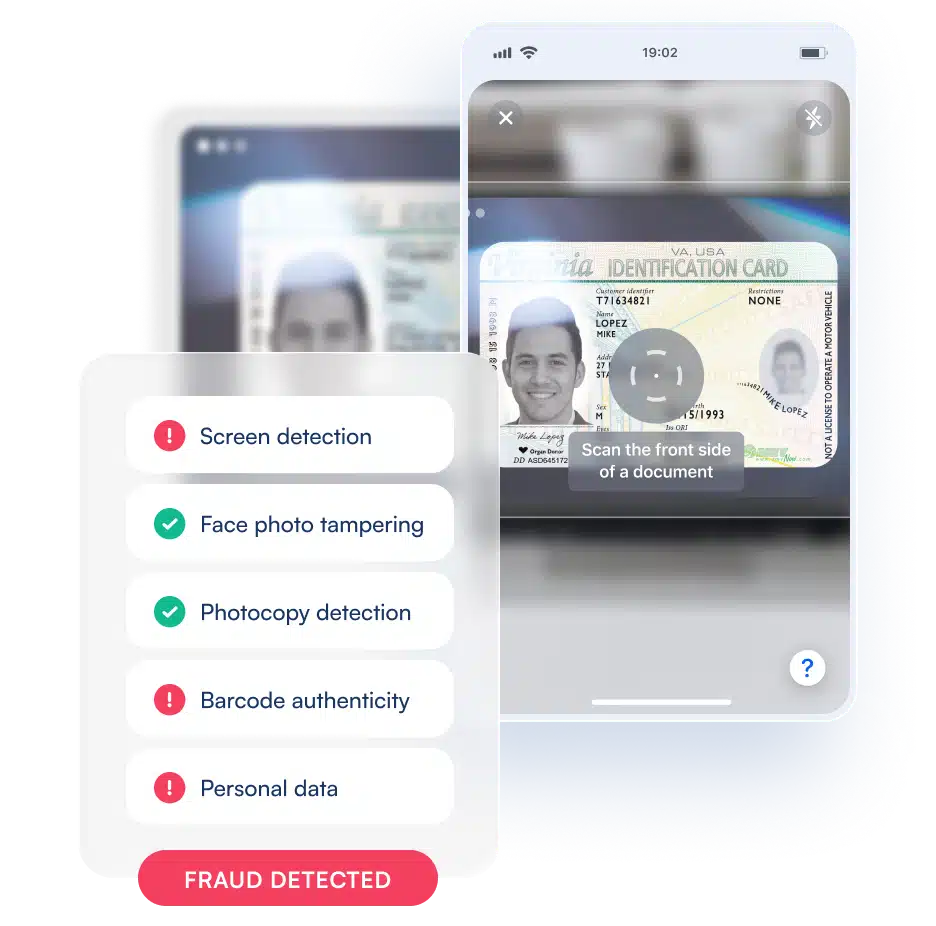
- Document submission and verification: Customers’ documents submitted during the online onboarding process must also be verified. The best AI-assisted software, like Microblink’s SDK, performs this task rapidly, with minimal steps, and while providing real-time feedback for any corrections.
- User data capture and analysis: Digital onboarding solutions capture and analyze customer and session data to ensure compliance and help businesses optimize their operations.
With these optimizations and enhanced security and compliance, it’s no surprise that financial institutions, banks, and similar organizations prefer this client onboarding over traditional methods.
How does digital onboarding work?
Here’s a step-by-step overview of the electronic onboarding process, highlighting the key technologies that support it from start to finish.
1. Registration: Customers start by entering their information into a mobile app or platform. This is where the digital onboarding journey begins.
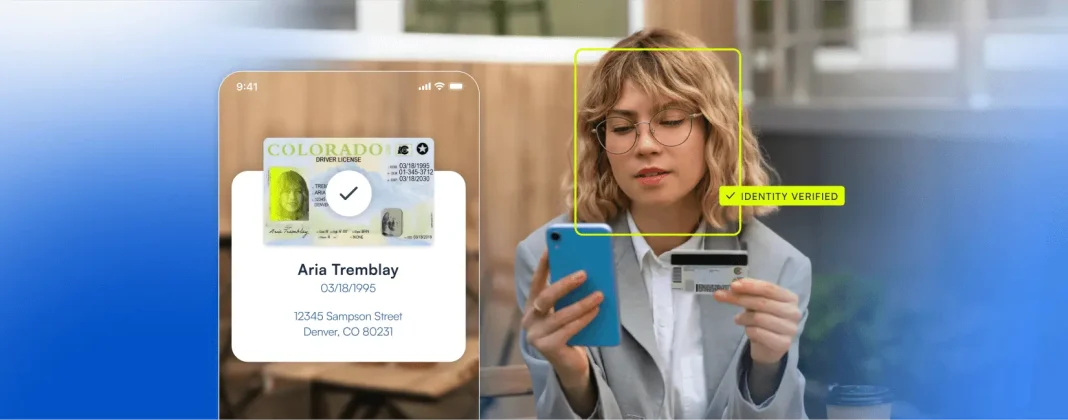
2. Identity verification: Digital identity verification confirms the user’s identity, often using facial recognition or biometric data. This is a core function of any robust digital onboarding system.
3. Document submission: Customers upload required documents, typically a government-issued ID or proof of address.
4. Approval: After successful verification, the customer is approved. Some companies go further, offering additional educational content to empower the user.
Despite variations, every electronic onboarding journey includes these essential steps.
Technologies behind effective digital onboarding
A successful digital onboarding system relies on three core technologies:
- AI and ML: These automate the process, reduce errors, and help scale digital onboarding to serve potentially millions of users.
- Biometric verification: Adds a critical layer of security by confirming users’ identities with facial recognition, fingerprints, or other biological markers.
- Secure data handling: Encryption and privacy protections ensure compliance and foster trust.
Together, these technologies power electronic onboarding processes that are not only fast and secure, but also compliant with regulatory requirements.
Benefits of digital onboarding
A well-executed digital onboarding system delivers a wide range of measurable advantages beyond just speed or convenience. These benefits span operational efficiency, customer satisfaction, cost savings, and business agility. Below is a breakdown of the most impactful outcomes businesses can expect when adopting electronic onboarding:
| Benefit | Description | Real-World Impact |
| Streamlined Operations | A digital onboarding system automates formerly manual tasks such as data entry, document checks, and approval routing. Real-time workflows ensure fewer delays and eliminate human error. | Banks using automated identity verification can process hundreds of KYC submissions simultaneously, turning what used to take days into minutes, without needing to hire more staff. |
| Improved Data Accuracy | AI-powered validation ensures submitted data matches identity documents and flags inconsistencies instantly. | Reduces downstream compliance issues and rework by catching errors at the point of entry. |
| Faster Time-to-Market | Electronic onboarding accelerates user activation and supports faster launches of new products and services. | A fintech launching a new investment product can onboard users in under 5 minutes, removing friction from signup and boosting early adoption. |
| Lower Customer Drop-Off Rates | Traditional onboarding steps are often abandoned due to form fatigue or friction. A digital onboarding system guides users with intuitive UIs and real-time error correction. | Microblink’s SDK helps reduce form abandonment by allowing users to re-capture poor ID scans in real time instead of being rejected later. |
| Scalability During Peak Demand | Unlike human-driven processes, electronic onboarding scales instantly to handle surges in application volume. | Insurance companies during open enrollment periods can onboard tens of thousands of users in days without increasing support staff. |
| 24/7 Availability | Digital onboarding doesn’t rely on business hours or physical presence, allowing customers to complete onboarding anytime, anywhere. | A global crypto platform using biometric verification can onboard users across time zones, even at 3AM on a weekend. |
| Enhanced Security and Compliance | A digital onboarding system supports encryption, biometric verification, and audit trails for full regulatory compliance. | Banks leveraging AML-compliant onboarding tools can meet KYC requirements without the overhead of manual checks. |
| Reduced Operational Costs | Eliminating paper-based processes, physical reviews, and support intervention lowers overhead. | One telecom provider reduced ID verification costs by 40% after switching to a fully digital onboarding solution. |
| Faster Revenue Realization | The sooner a user is onboarded, the sooner they begin transacting or subscribing. | A neobank using digital onboarding cut its average onboarding time from 24 hours to 10 minutes, unlocking faster account funding. |
| Consistent User Experience | Electronic onboarding ensures the same branded, polished process for all users—regardless of device or location. | Businesses improve NPS and brand perception by delivering a smooth and professional onboarding journey across mobile and web. |
Real-world applications and success stories
Companies around the world are transforming how they bring on new users by adopting Microblink’s digital onboarding platform. Purpose-built for speed, accuracy, and scale, Microblink combines AI-powered identity verification with real-time document capture to create frictionless electronic onboarding experiences.
For example, the community finance platform SoLo Funds used Microblink to create its registration process. According to co-founder Rodney Williams, it now takes less than two minutes to create an account with SoLo Funds.
And First Abu Dhabi Bank, the UAE’s largest bank, also uses Microblink. Vinod Nagar, the bank’s Growth Marketing & CX, says Microblink’s BlinkID is turning out to be a “win-win solution” for both the company and its customers. A leading European neobank also reported a 27% increase in sign-up conversion rates after switching from manual onboarding to Microblink’s digital onboarding platform.
Overall, Microblink customers regularly achieve around 95% document verification success rates on the first attempt and a significant increase in conversion rates.
Cut costs and drive growth with Microblink
Traditional onboarding is expensive, slow, and frustrating. A digital onboarding system—powered by AI, biometrics, and secure data practices—removes friction and drives higher conversion. It’s clear: electronic onboarding isn’t just a trend. It’s the future.
If your business is ready to embrace that future, talk to a Microblink expert and get a custom digital onboarding solution built for your goals.
Contact our experts to learn more.