
How Real Estate Tech Companies Can Fight Title Fraud
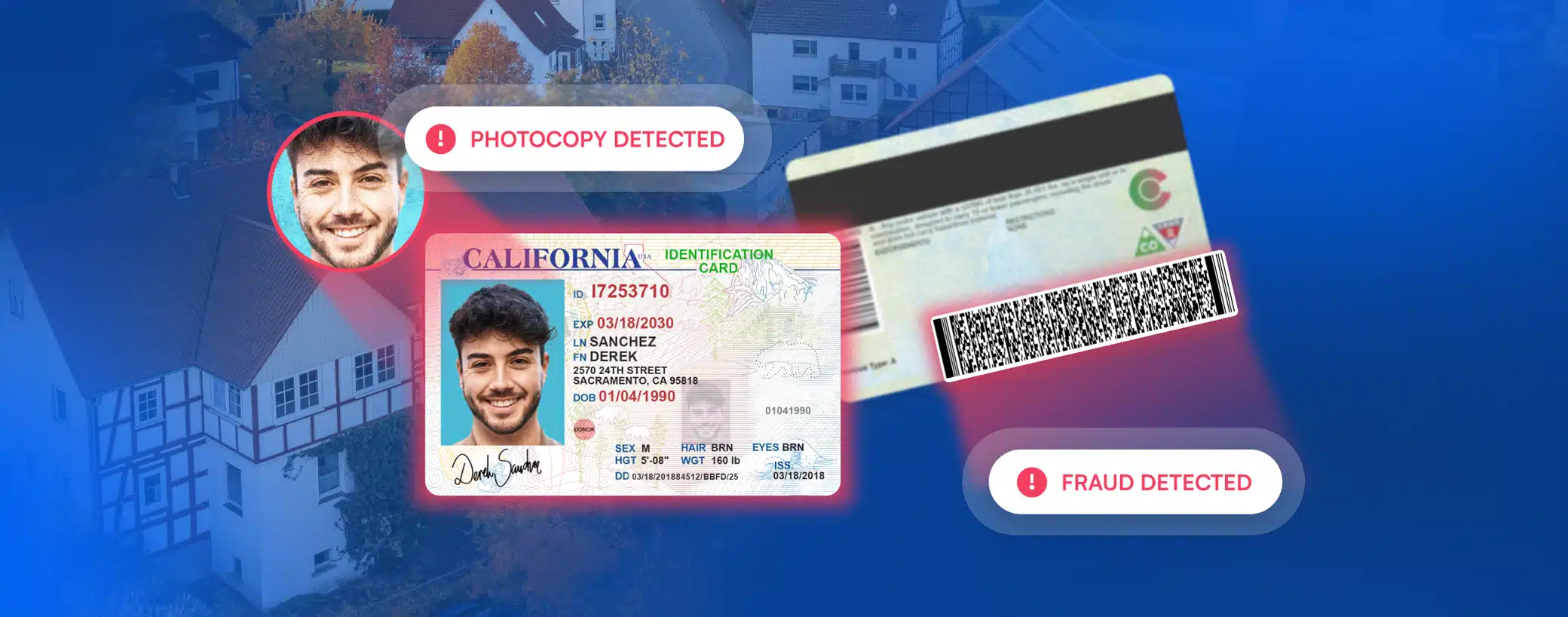
In real estate, the notary process has long been a formality—one last signature before the deal closes. But as title fraud becomes more sophisticated and digital-first transactions become the norm, that once-routine step is now a critical line of defense.
Real estate tech is evolving, and notary services are at the heart of the shift. What used to be a pen-and-paper process is going fully digital, with AI-driven identity verification and fraud detection built in from the start. This isn’t just about convenience—it’s about protecting property, ownership, and trust in the transaction itself.
Title Fraud Is a Real—and Costly—Problem
Title fraud often starts with identity theft. Fraudsters obtain personal information about a homeowner, then use forged or falsified documents to transfer ownership, take out loans against the property, or sell it to unsuspecting buyers. Because title documents are public records and many real estate processes are still paper-heavy, these schemes can go undetected until it’s too late.
While much of the real estate transaction has moved online—listings, mortgage applications, even virtual tours—the identity verification process at the notary stage has often lagged behind. In many cases, outdated methods like manual ID checks or simple visual confirmation over a video call are still the norm. This creates a critical vulnerability: if a fraudster can bypass this step, they can slip through the entire system unchecked. As transactions speed up and go remote, bad actors are exploiting these gaps—faking IDs, using deepfakes, or hijacking identities to push through fraudulent transfers. Without smarter safeguards in place, the notary session can go from a security measure to a soft target.
The Digital Notary Revolution
Enter digital notary services—an increasingly important aspect of real estate tech. Remote Online Notarization (RON) has seen a surge in adoption, especially post-pandemic, offering buyers, sellers, and agents a faster, more convenient signing process. But the real power of tech-forward notary platforms isn’t just speed—it’s security.
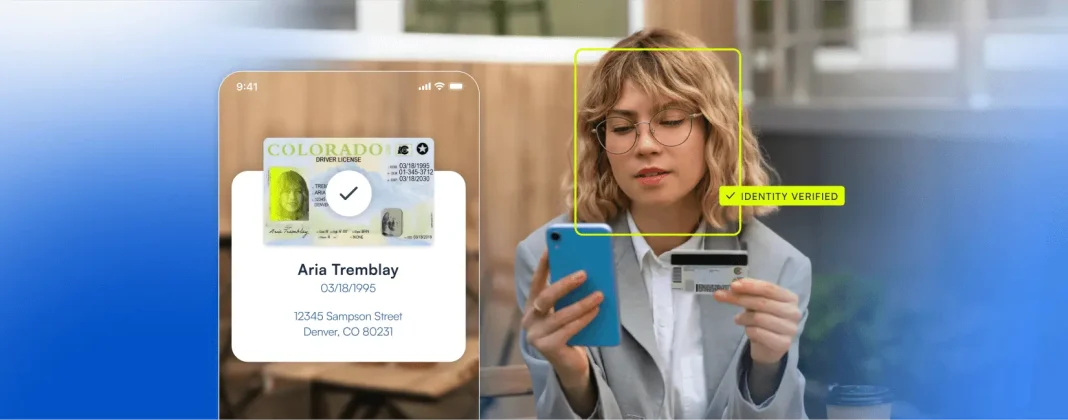
By integrating AI-powered ID verification and biometric checks into the notary flow, companies can confirm that signers are who they say they are—in real time, and with much higher accuracy than traditional methods.
How Microblink Helps
At Microblink, we specialize in real-time identity verification powered by computer vision and AI. Our solutions can be embedded directly into the digital notary workflow, enabling:
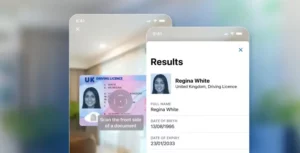
- Instant ID document scanning and validation for more than 2,500 identity documents
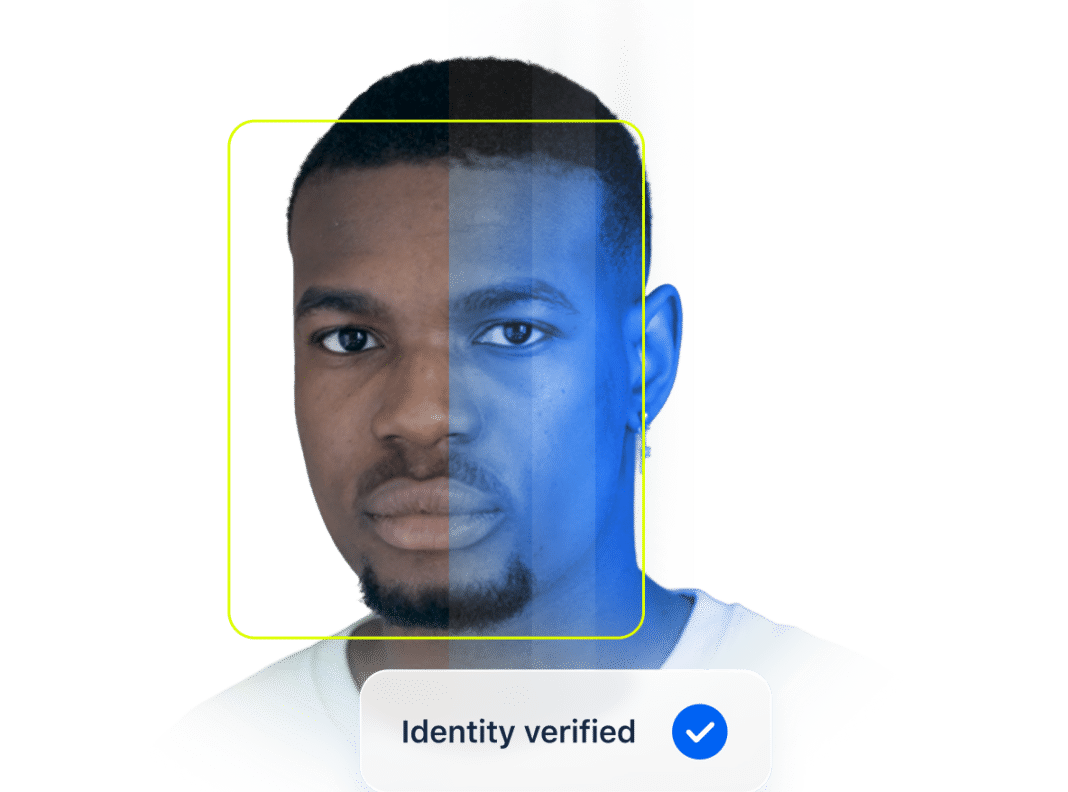
- Liveness detection to prevent spoofing with photos or videos
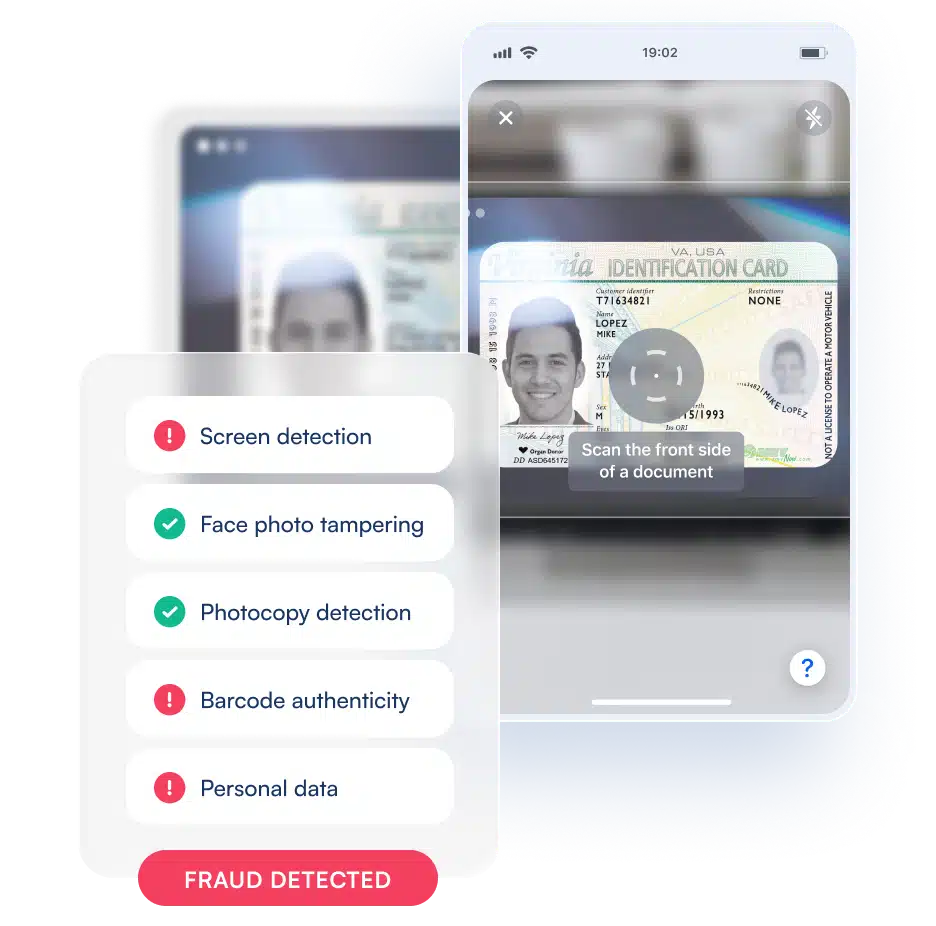
- Fraud flagging via authenticity checks and data cross-validation
In short, we help ensure that only legitimate parties are signing real estate documents—a crucial safeguard against title fraud.
A Path to Safer Real Estate Transactions
As property transactions become more digitized, identity verification must evolve in lockstep. By pairing smart notary platforms with cutting-edge ID tech, the industry can close one of its most vulnerable gaps—and give both institutions and individuals peace of mind.
To learn more about Microblink’s identity verification capabilities, get in touch today.