
How Biometric KYC Enables Secure, Fast and Compliant Onboarding
Traditional Know Your Customer (KYC) processes need to be overhauled. Manual checks, inconsistent compliance, and outdated verification methods all lead to user friction, regulatory risk, and increased fraud exposure.
Biometric KYC offers a smarter, faster, and more secure path forward. By using a person’s unique physical traits to verify identity, it enhances security while improving user experience, especially when paired with tools like AI-based liveness detection and document verification.
What Is Biometric KYC?
Biometric KYC is the process of verifying a customer’s identity using biometric identifiers such as facial recognition, fingerprint scans, or voice patterns instead of relying solely on traditional documents or manual data entry.
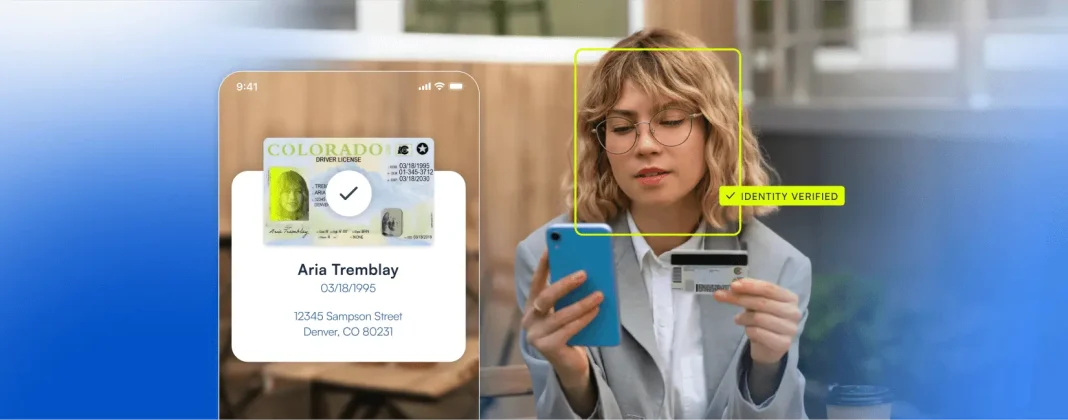
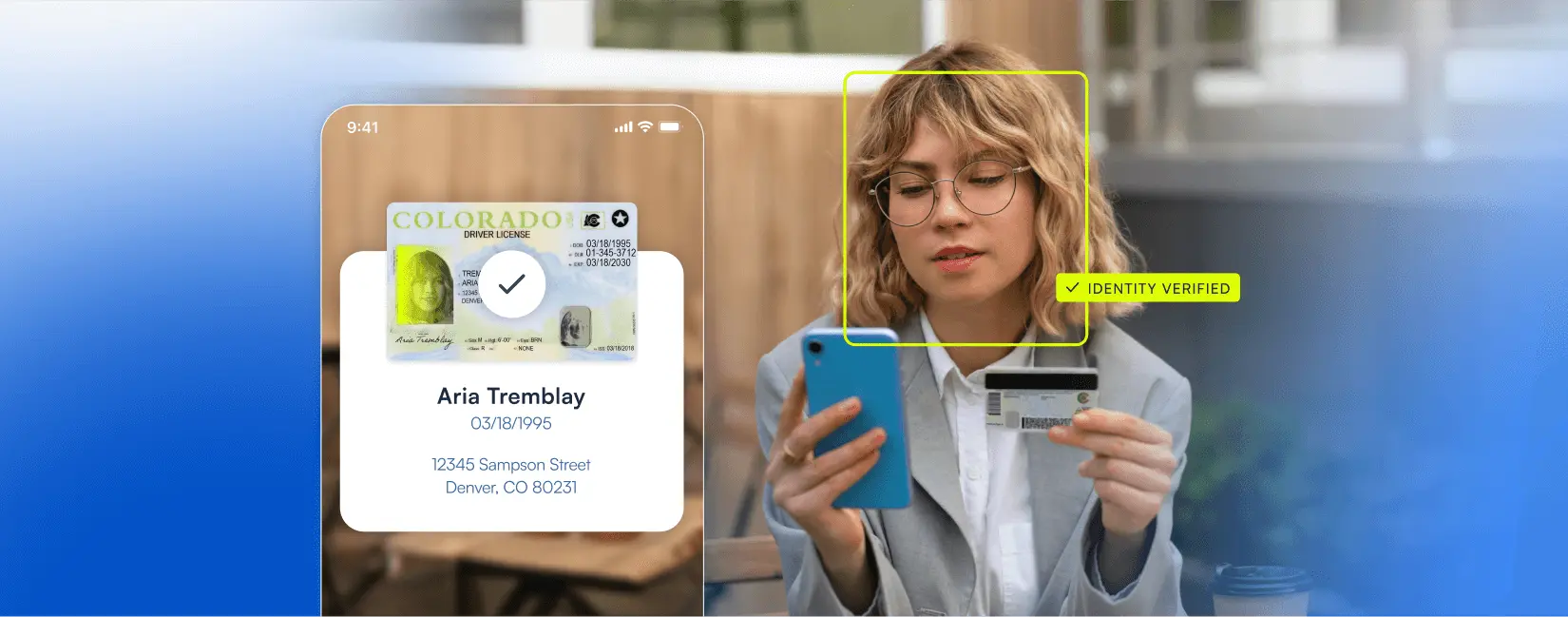
Biometric KYC Process
In a typical biometric KYC process, a user:
- Submits a government-issued ID.
- Takes a selfie (or performs a guided liveness check).
- Has the ID and facial biometrics matched using AI.
- Gets verified in seconds.
This automated approach strengthens compliance and drastically reduces the risk of onboarding synthetic or stolen identities.
Why Biometric KYC Is Essential for AML Compliance
Global regulators are demanding more stringent KYC processes. Financial institutions and digital platforms are under pressure to maintain airtight audit trails and flag suspicious behavior in real time.
Biometric KYC enables real-time identity verification without the need for human review, significantly accelerating onboarding while maintaining high accuracy. It also provides audit-ready reporting for every customer interaction, helping organizations stay compliant and prepared for regulatory scrutiny. With automated watchlist screening and intelligent risk scoring built in, businesses can flag suspicious activity instantly. Additionally, biometric systems support ongoing monitoring to detect identity spoofing or account takeovers long after the initial onboarding is complete, ensuring continuous protection throughout the customer lifecycle.
These capabilities not only help meet AML requirements, they also simplify the compliance burden for product and compliance teams alike.
Comparing Common Biometric Methods
| Biometric Type | How It Works | Strengths | Considerations |
| Facial Recognition | Matches selfie to ID photo using AI + liveness check | Easy UX, mobile-friendly, scalable | Sensitive to lighting, pose, and spoofing |
| Fingerprint Scan | Compares print to a registered pattern | High accuracy, well-established in finance | Requires hardware or mobile device access |
| Voice Recognition | Matches voice to stored sample or profile | Passive verification, hands-free | Vulnerable to deepfakes or background noise |
Facial recognition is the most widely used method in remote onboarding scenarios because it requires no additional hardware and works across devices. With advanced liveness detection, it also defends against spoofing attempts, like photos or deepfake videos.
How Biometric KYC Prevents Fraud
Today’s fraudsters use increasingly sophisticated tactics such as AI-generated IDs, deepfakes, and synthetic identities.
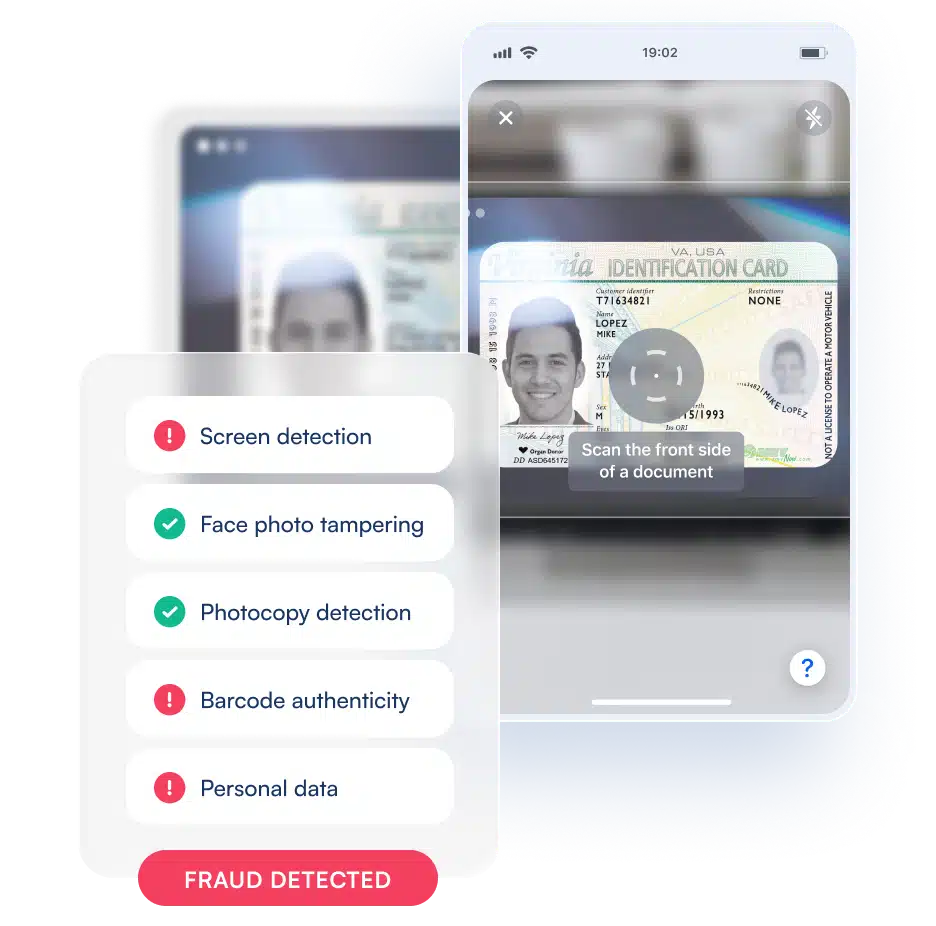
Biometric KYC adds multiple layers of defense to combat these increasingly common fraud attacks:
- Liveness detection confirms the user is real and present.
- Face matching ensures the person matches the document photo.
- Anti-spoofing algorithms block static images, masks, and deepfake videos.
- AI pattern recognition detects abnormal behavior or reused data.
When paired with document scanning and watchlist screening, biometric KYC acts as a critical gatekeeper for identity-driven workflows.
Creating A Better Customer Experience
While security is essential, conversion matters too. A KYC process that frustrates users with long wait times, confusing steps, or verification errors can drive good users away from your platform.
Biometric KYC reduces friction by enabling mobile-first, selfie-based onboarding in seconds. It also reduces drop-off rates by automating steps that used to require human review. Finally, it makes verification accessible from anywhere, at any time without downloading apps or visiting physical branches.
Privacy and Compliance Considerations
Product managers may ask: “Is biometric KYC compliant with data privacy laws like GDPR or CCPA?” If done right, it most certainly is.
To stay compliant, businesses should follow a number of best practices
Firstly, only collect biometric data with informed user consent. This is key to compliance with consumer data privacy laws such as GDPR. Biometric data should also be stored securely and temporarily, with clear retention policies. Users must also be able to opt-out and request data deletion.
Finally, it is important to partner with vendors that offer end-to-end encryption and are certified in standards such as ISO/IEC 27001 or SOC 2.
Integrating Biometric KYC Into Your Tech Stack
Adding biometric KYC doesn’t mean ripping out your existing infrastructure. Modern identity platforms like Microblink offer flexible APIs that integrate directly into your current onboarding flow, enabling a smoother transition without disrupting core systems. Integration is made easier with an API-first architecture that supports seamless deployment.
Depending on your compliance requirements, you can choose between cloud or on-premise deployment options. These platforms also support multi-vendor orchestration, allowing you to combine document verification, biometrics, and sanctions screening into a unified workflow. Additionally, robust risk failover protocols ensure business continuity by automatically switching to backup verification methods if biometrics fail or connectivity is compromised.
How to Choose a Biometric KYC Solution
When selecting a biometric KYC provider, product managers should focus on balancing security, speed, and ease of integration. A few key factors to evaluate include:
- Accuracy and false acceptance/rejection rates – Ensure the system minimizes both fraud risk and user frustration.
- Liveness detection capabilities – Look for proven anti-spoofing protection to guard against deepfakes and presentation attacks.
- Integration flexibility – Prioritize platforms that offer robust SDKs and APIs for easy implementation within your existing workflows.
- Compliance certifications – Make sure the provider is aligned with relevant standards like GDPR, ISO/IEC 27001, and CCPA.
- Support for multi-vendor orchestration – Choose a solution that plays well with your other fraud detection, document verification, and risk management tools.
Microblink: Your Partner in Smarter Identity Verification
At Microblink, we’ve designed an end-to-end identity platform that brings together document scanning, biometric verification, and watchlist screening—all within a single, intuitive SDK.
We help organizations get KYC right with AI-powered technology built by people. That way, you know you’re in compliance regarding business relationships, building trust in customer relationships, and staying efficient everywhere else.We help you strike the perfect balance: conversion-friendly onboarding with enterprise-grade security.To learn more about how Microblink can help with your end-to-end KYC, get in touch today.