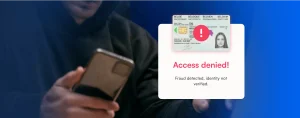
Go beyond traditional document and facial checks—detect sophisticated fraud and enable continuous authentication by analyzing unique user behaviors like keystroke dynamics, mouse movement patterns, and device interactions. Seamlessly layer behavioral biometrics into your onboarding, payment, and authentication workflows to stop account takeover, reduce friction, and future-proof your digital security.








IDs processed every month
countries supported for verifying identities
to capture and extract data

Elevate your fraud prevention strategy with Microblink’s cutting-edge behavioral biometrics, providing continuous authentication beyond static checks. Our AI analyzes unique user patterns, including keystroke dynamics and mouse movements, to detect suspicious activity in real-time.
Seamlessly integrate these advanced capabilities into your existing identity workflows using our flexible APIs and SDKs. This empowers you to prevent account takeovers and implement dynamic, risk-based authentication, enhancing security without friction.
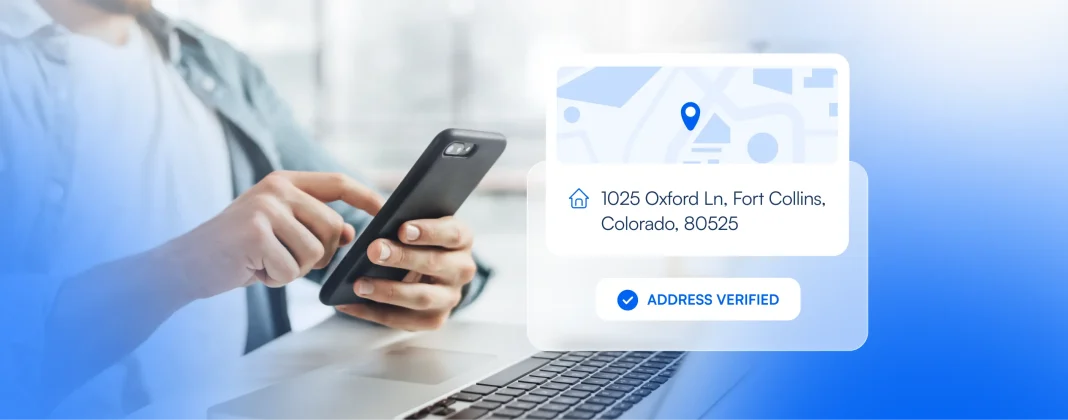

Microblink’s behavioral biometrics continuously analyze user interaction patterns, detecting subtle anomalies indicative of account takeover attempts in real-time.
This invisible layer of security proactively safeguards user accounts and assets, significantly reducing fraud losses without adding friction.
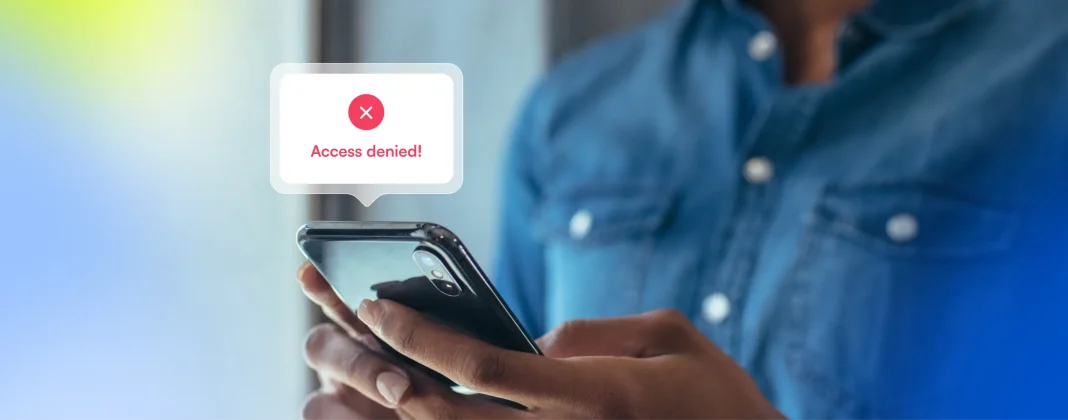
Integrate behavioral biometrics to enable continuous, invisible user verification throughout the entire session, eliminating the need for disruptive re-authentication prompts.
This ensures a consistently secure yet frictionless experience, enhancing user trust and retention.
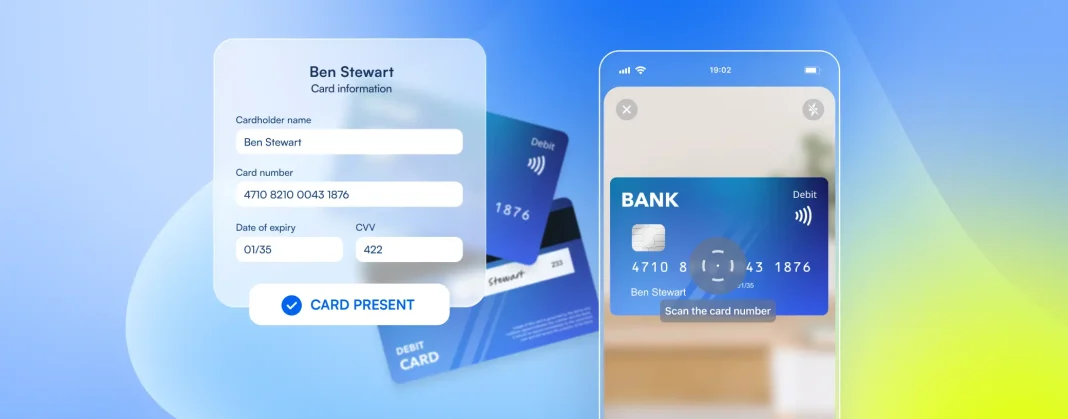
Leverage behavioral insights to dynamically assess user risk in real-time, triggering step-up authentication only for genuinely suspicious activities.
This optimizes security workflows, reducing false positives and improving operational efficiency while maintaining robust protection.

First Abu Dhabi Bank partners with Microblink to accelerate ID scanning during KYC verification.

Discover how Attain is transforming the consumer-permissioned future with BlinkReceipt.

Discover how BlinkID revolutionized Jurat’s user experience and contributed to their success in the digital notary industry.

Quick and accurate ID verification, ensuring a seamless and secure registration process

Meet regulatory requirements with ID document verification and non-documentary signals


Verify identity and prevent unauthorized transactions through secure document scanning

Detect stolen or synthetic identities with precision and verify IDs to prevent fraudulent account creation and transactions

Ensure compliance and prevent underage access by instantly verifying customer ages through secure ID scanning

With 12 years of expertise in computer vision R&D, Microblink has been at the forefront of AI-driven identity verification, continuously innovating to deliver fast and accurate solutions.

We pioneered AI-driven identity verification, setting the standard for fast, secure, and accurate ID scanning solutions.

We develop our AI in-house, using proprietary data and a dedicated team of machine learning specialists to ensure unmatched accuracy and performance in identity verification.
With 12 years of expertise in computer vision R&D, Microblink has been at the forefront of AI-driven identity verification, continuously innovating to deliver fast and accurate solutions.
We pioneered AI-driven identity verification, setting the standard for fast, secure, and accurate ID scanning solutions.
We develop our AI in-house, using proprietary data and a dedicated team of machine learning specialists to ensure unmatched accuracy and performance in identity verification.
Behavioral biometrics can be layered seamlessly into your current onboarding and authentication flows via lightweight SDKs or APIs. Data is collected passively in the background during normal user interactions—such as typing, mouse movement, or touchscreen gestures—requiring no additional steps from the user. This enables continuous authentication and risk assessment without adding friction, preserving a smooth UX while enhancing security.
Behavioral biometrics is uniquely effective at detecting sophisticated fraud types such as account takeover (ATO), remote access tool (RAT) attacks, credential stuffing, and synthetic identity fraud. Unlike static document or facial checks, behavioral patterns are extremely difficult for fraudsters to mimic or replay, making it possible to flag anomalies in real time—even after initial onboarding—such as when a legitimate account is accessed by an unauthorized user.
Behavioral biometric solutions can be designed with privacy-by-design principles: data is anonymized, processed locally or in encrypted form, and never used to uniquely identify individuals outside the context of fraud detection. Consent mechanisms, data minimization, and clear user disclosures are essential. Leading vendors provide documentation and controls to help you meet GDPR, CCPA, and other regulatory requirements, including audit trails and data subject rights management.
Integration typically involves adding a client-side SDK (web/mobile) to capture behavioral signals and a backend API for risk scoring. Key challenges include ensuring compatibility with your frontend frameworks, managing data flow securely, and tuning risk thresholds to minimize false positives. Look for solutions with robust documentation, sample code, and support for your preferred programming languages and platforms. Pilot testing in a sandbox environment is recommended to optimize performance and UX.
Most modern solutions offer flexible integration options, including RESTful APIs, SDKs, and pre-built connectors for popular payment gateways and core banking systems. Look for platforms that support real-time decisioning, batch processing, and customizable workflows to fit your operational needs. Ensure the vendor provides robust developer documentation and dedicated integration support.
Behavioral biometrics enables real-time, ongoing risk assessment throughout a user session—not just at login or onboarding. If anomalous behavior is detected (e.g., a change in typing cadence or navigation patterns), the system can trigger step-up authentication (such as facial verification or OTP) or block suspicious actions. This adaptive approach helps prevent fraud during sensitive actions like payments, password resets, or changes to account details.
Key metrics include reduction in account takeover incidents, false positive/negative rates, friction rates (impact on user experience), detection of new fraud patterns, and time-to-detect suspicious activity. Monitoring these KPIs before and after implementation will help quantify ROI and inform ongoing tuning of risk thresholds and workflows.