
How Microblink Drives Trust and Safety for a Top Social App

To reduce manual work
In early rollout
Reducing friction for legitimate customers
Client
A leading global social media platform with e-commerce and payments capabilities serving hundreds of millions of users worldwide. With offerings that span video, live streaming, and integrated shopping, the platform manages an enormous volume of digital transactions and faces complex fraud and risk challenges.
Business Problem
The client needed to improve fraud prevention and risk management across several high-value areas of its business. They faced a major challenge in handling appeals for blocked transactions. When users disputed a declined payment, they were asked to submit photos of their payment cards, which analysts had to review manually. This approach was slow, resource-intensive, and often ineffective, creating opportunities for fraudsters to slip through.
E-commerce checkout also posed a risk. For certain “gray area” transactions where 3D Secure (3DS) authentication was not required, the client needed an easier way to validate card legitimacy. The goal was to stop fraud without adding unnecessary friction for genuine customers trying to complete their purchases.
Finally, live-stream gifting and digital coin purchases introduced another layer of complexity. As users bought digital currency in real time, the platform required safeguards that could scale with high transaction volumes and the fast-paced nature of live streaming without disrupting the user experience.
Solution
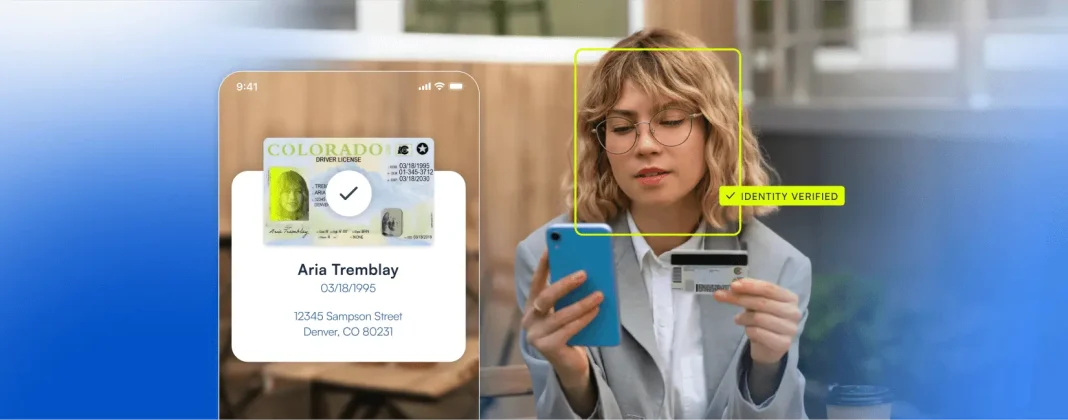
The client deployed Microblink’s BlinkCard as part of its workflows. BlinkCard allowed users to scan their physical payment card using their device camera, instantly extracting and validating card data. Key features included:
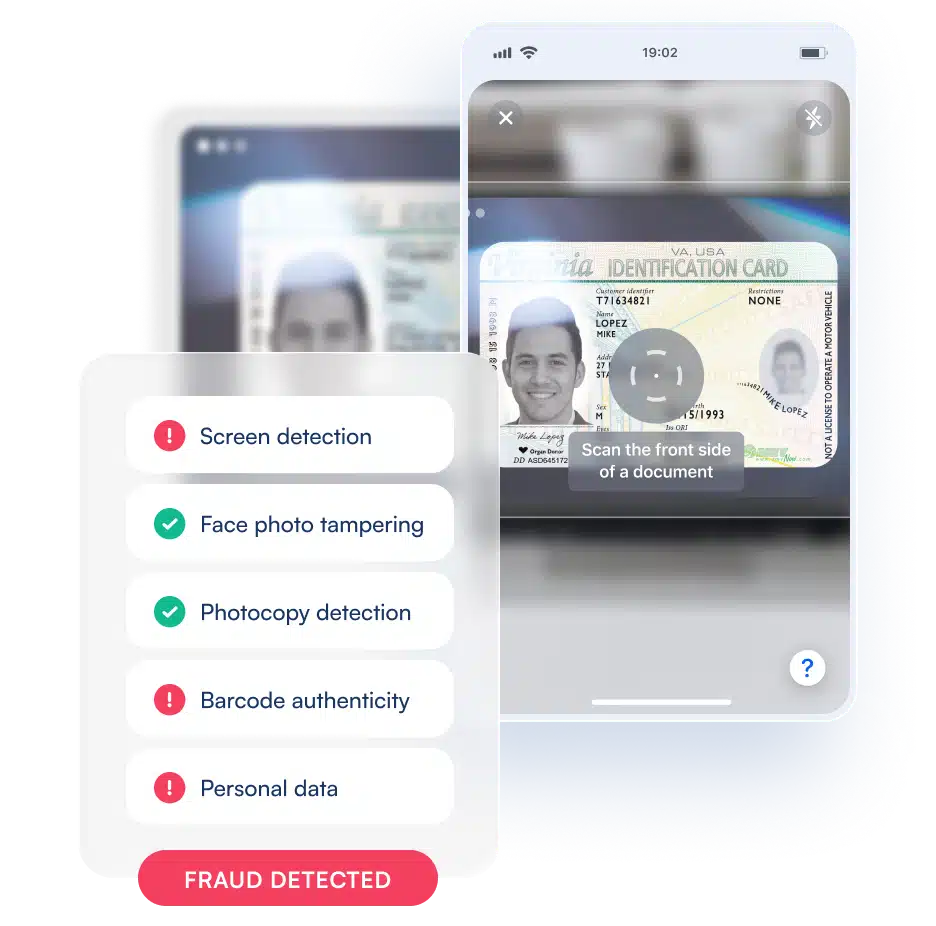
- Hand and photocopy detection to ensure the card was physically present and not a screenshot or fake.
- Flexible integration that allowed BlinkCard to be invoked only in high-risk or ambiguous scenarios, striking a balance between security and user experience.
- Improved automation — replacing manual photo upload and review with instant scanning to streamline appeals and transaction verification.
Across multiple use cases (appeals, e-commerce checkout, and live-stream gifting), BlinkCard became an essential tool in the platform’s layered fraud defense strategy.
Results
The client saw a number of positive outcomes since implementing BlinkCard. These include:
- 120,000+ payment card scans completed in early rollout, proving both adoption and scalability.
- Faster reviews: Risk teams significantly reduced manual overhead by eliminating the need to review uploaded card photos.
- Better fraud detection: BlinkCard’s ability to flag photocopies, monitor hand presence, and detect screen-based fraud attempts gave the platform stronger fraud signals to feed into its internal AI models.
- Improved user experience: For “gray area” e-commerce transactions, BlinkCard provided a smoother alternative to 3DS, reducing friction for legitimate customers while still deterring fraud.
- Future-proofing: The client is exploring ways to integrate BlinkCard signals into its AI-driven fraud models, potentially automating more of the appeals process and scaling protection as transaction volumes grow.
To learn more about how Microblink can help your business fight fraud, reduce manual work and streamline operations, get in touch today.