
Warning Signs of Fraud in the Crypto Industry

Fraud is a constantly moving target. For risk management professionals—whether you’re a Director of Fraud Prevention, Fraud Detection Manager, or VP of Risk Management—the stakes are high: missed red flags can lead to financial loss, regulatory penalties, and reputational damage. Recognizing the warning signs of fraud early is critical to protecting your organization and maintaining compliance.
In this guide, we’ll break down the most common fraud warning signs, explore crypto-specific risks, and show how automated tools like Microblink’s identity verification platform can help you stay compliant and detect fraud more effectively without frustrating legitimate customers.
Translate Fraud Indicators into KYC/AML Screening Criteria
Fraudsters often follow predictable patterns. If you know what to look for, you can catch them before they cause damage. During account onboarding and transaction monitoring, key indicators to watch for include:
- Urgency or pressure tactics: Customers rushing through onboarding, insisting on skipping steps, or requesting expedited verification.
- Impersonation attempts: Using false identities, stolen documentation, or borrowed credentials.
- Suspicious payment requests: Unusual funding sources, inconsistent payment transaction patterns, or unexplained large transfers.
- Behavioral red flags: Signs of living beyond means, unexplained wealth, excessive secrecy, or financial desperation.
By mapping these indicators to KYC/AML screening criteria, compliance officers can flag high-risk applicants and trigger enhanced due diligence before onboarding.
Recognize Crypto-Specific Fraud Typologies
The crypto world has its own unique fraud challenges that other sectors often do not have to deal with. Some examples are:
- Pig Butchering / Romance Scams: Victims rushing to invest or onboard, often under emotional pressure.
- Synthetic Identities: Fake composite profiles with mismatched documents and unusually clean credit histories.
- Money Mule Operations: Customers transferring funds on behalf of others to obscure money trails.
- Rug Pull Facilitation: Accounts with inconsistent income explanations linked to potential exit scams.
Identifying these scenarios requires vigilance and specialized detection workflows that combine identity verification with behavioral analytics.
Detect Both External and Internal Fraud Risks
Fraud isn’t always on the outside. Insider threats can be just as damaging, from employees colluding to bypass verification workflows for personal or financial gain, to undisclosed conflicts of interest affecting risk decisions. Third-party vendors can also introduce risk if KYC providers or institutional counterparties lack robust fraud detection capabilities. A comprehensive fraud prevention strategy addresses both customer-facing and internal risks, ensuring that every layer of onboarding and operations is monitored for potential fraud.
Connect Fraud Detection to Regulatory Obligations
Failing to detect fraud is more than just a business risk. Missed red flags can lead to serious consequences, including BSA/AML violations, SAR filing failures, FinCEN enforcement actions, license revocations, or even platform debanking. Recent crypto enforcement cases demonstrate that robust fraud screening isn’t optional, it’s essential for maintaining compliance, protecting your reputation, and safeguarding business continuity.
Actionable Guidance: Detection, Documentation, and Audit Trails
To ensure effective fraud prevention, implement clear protocols:
| Detection & Documentation | Recommended Practices |
| Enhanced Due Diligence (EDD) triggers | Flag accounts with multiple red flags or inconsistent identity documents for manual review |
| Rejection criteria | Clearly define behaviors, document anomalies, and patterns that warrant denying onboarding |
| SAR filing thresholds | Maintain clear thresholds and procedures for filing Suspicious Activity Reports |
| Audit trail requirements | Document every verification step, manual review decision, and communication to demonstrate compliance during audits |
A strong audit trail protects your organization and helps regulators see that effective fraud controls are in place.
How Automated Tools Reduce Risk and Improve Accuracy
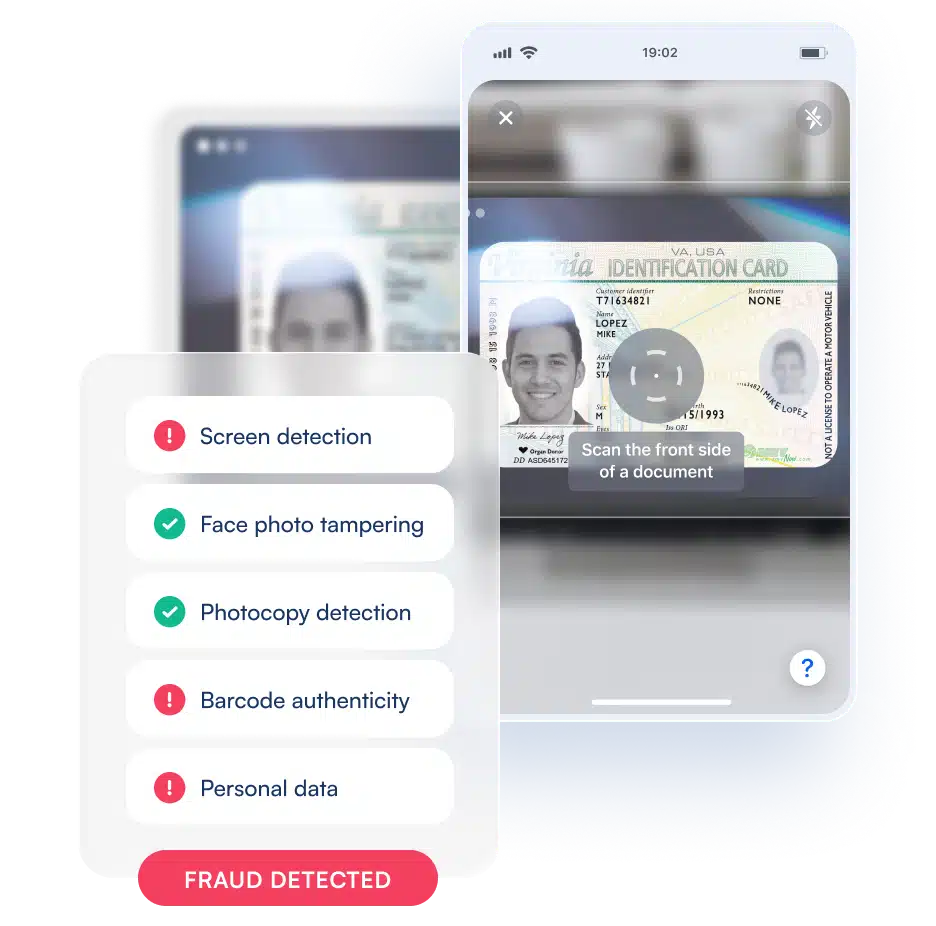
Manual reviews alone can’t keep up with sophisticated fraud, and the consequences of missing a red flag can be severe. Platforms like Microblink integrate automated identity verification directly into onboarding workflows, providing real-time document checks, detection of synthetic and manipulated identities, and actionable analytics for enhanced due diligence. This approach not only strengthens compliance and reduces regulatory risk, but also minimizes false positives and improves customer experience. To learn more about how Microblink helps crypto platforms, get in touch today.