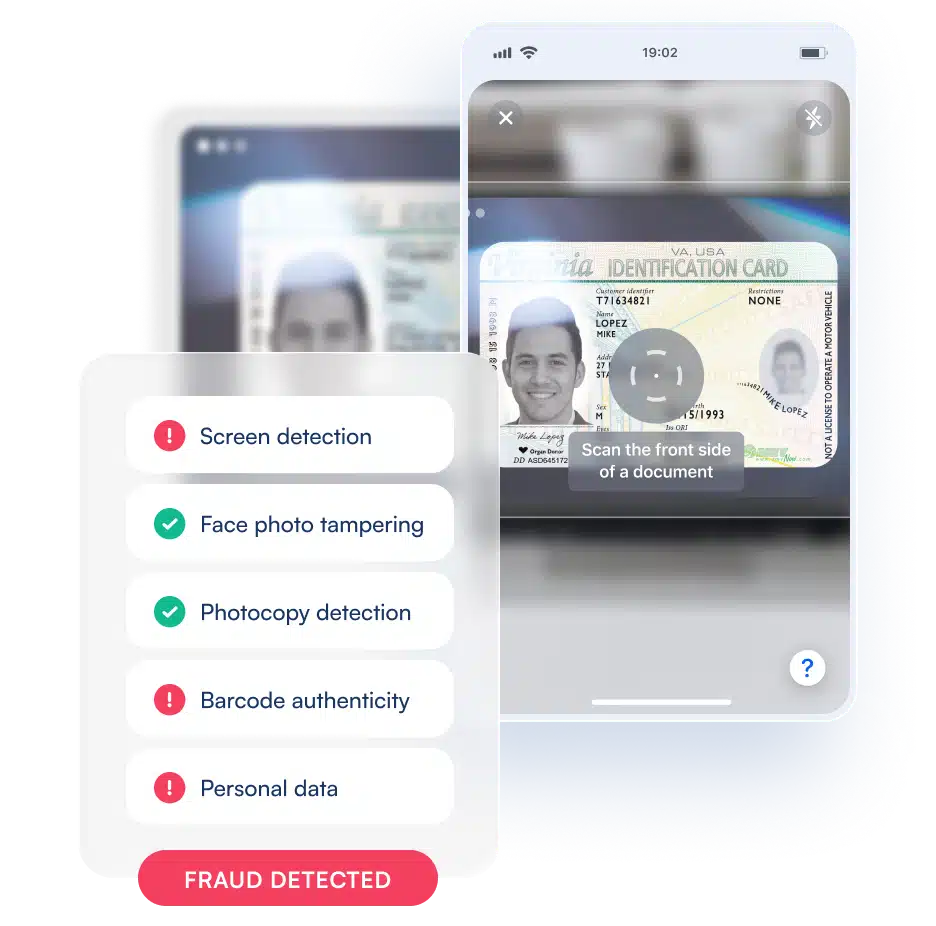

The Best Payment Processors: Features, Differentiators, and Use Cases
Selecting the right payment processor is crucial for fintechs, marketplaces, e-commerce platforms, and digital banks. The right solution ensures secure, fast, and frictionless payments, reduces operational risk, supports global expansion, and provides robust reporting. The wrong choice can result in failed transactions, higher fees, or poor customer experience.
This guide compares Microblink, Stripe, Adyen, Payoneer, PayPal B2B, and Checkout.com, highlighting their core features, strengths, and practical use cases to help teams make informed decisions.
Payment Processors at a Glance
| Provider | Primary Strength | Core Features | Ideal For | Pricing |
| Microblink | AI-driven payment verification + fraud prevention | ID verification, AML/KYC, adaptive risk scoring, transaction monitoring | Fintechs & digital banks needing secure payments with integrated fraud checks | Quote-based, volume & compliance dependent |
| Stripe | Developer-friendly global payment infrastructure | Card payments, subscription billing, APIs, global payout support | Digital businesses needing scalable, flexible payment integrations | Pay-as-you-go / volume-based |
| Adyen | Global payment gateway & omnichannel processing | Multi-currency support, POS integration, risk management, reporting | Enterprises and fast-growing fintechs | Custom / transaction-based |
| Payoneer | Cross-border payments & mass payouts | Multi-currency accounts, ACH/wire transfers, marketplace payouts | Marketplaces, freelancers, SMBs with global clients | Custom / transaction fees |
| PayPal B2B | Widely recognized digital payments | Invoicing, PayPal Checkout, buyer/seller protection | SMBs, marketplaces, and digital commerce platforms | Transaction-based fees |
| Checkout.com | Real-time payment processing & risk management | Card processing, alternative payments, fraud detection, global coverage | Fintechs, neobanks, marketplaces needing unified payments | Custom / transaction-based |
1. Microblink
Microblink’s payment processing capabilities are integrated with its identity verification and fraud prevention platform, allowing fintechs to securely authorize transactions while preventing fraud. This provides a seamless experience for both onboarding and payments.
Key Features
- AI-driven identity verification for payments
- AML/KYC compliance and adaptive risk scoring
- Transaction monitoring with real-time alerts
- Integrated fraud prevention
Pricing
Quote-based; depends on transaction volume, geographies, and compliance needs
Pros
- Combines payments with fraud prevention for high-risk sectors
- Real-time monitoring reduces chargebacks and losses
- Scalable for fintechs, digital banks, and marketplaces
Cons
- Platform launched 2025, newer orchestration compared to legacy systems
- No manual reviewers
- Not suitable for IAM use cases
Practical Use Cases
- Digital bank transactions with minimal fraud risk
- Crypto platform payments requiring identity verification
- High-volume marketplace payouts
2. Stripe
Best for fintechs and digital businesses needing developer-friendly, scalable payment infrastructure.
Key Features
- APIs for card, ACH, and alternative payments
- Recurring billing and subscription management
- Global payout and currency support
- Built-in reporting and reconciliation
Pricing
Pay-as-you-go / volume-based
Pros
- Flexible, robust developer APIs
- Scales globally across multiple currencies
- Integrated reporting and analytics
Cons
- May require developer resources for advanced integrations
- Some advanced risk management features are add-ons
Use Cases
- E-commerce platforms with global customers
- Fintech subscription services
- Marketplaces processing recurring payments
3. Adyen
Best for enterprises and fintechs requiring omnichannel, global payment processing.
Key Features
- Multi-currency support and global reach
- POS and online payment integration
- Advanced reporting and analytics
- Built-in risk management
Pricing
Custom / transaction-based
Pros
- Excellent for omnichannel commerce (online + POS)
- Comprehensive fraud and risk management
- Supports global expansion
Cons
- Setup and integration can be complex for smaller businesses
- Higher cost for lower-volume merchants
Use Cases
- Large fintechs expanding internationally
- Marketplaces requiring unified online and offline payments
- Cross-border e-commerce platforms
4. Payoneer
Best for cross-border payments and mass payouts.
Key Features
- Multi-currency accounts
- ACH and wire transfers
- Marketplace payouts
- Global bank integration
Pricing
Custom / transaction fees
Pros
- Strong cross-border support
- Easy mass payouts for freelancers and marketplaces
- Supports multiple currencies
Cons
- Focused on payouts rather than merchant processing
- Limited advanced fraud prevention features
Use Cases
- Freelance platforms paying international users
- Marketplaces distributing earnings globally
- SMBs with international suppliers or clients
5. PayPal B2B
Best for SMBs and marketplaces needing a trusted payment solution.
Key Features
- PayPal Checkout and invoicing
- Buyer and seller protection
- Cross-border payments
- Integration with major e-commerce platforms
Pricing
Transaction-based fees
Pros
- Widely recognized and trusted globally
- Easy to implement for SMBs
- Strong buyer/seller protection
Cons
- Transaction fees can be higher for larger volumes
- Limited flexibility for custom integrations
Use Cases
- Marketplaces with SMB sellers
- Digital commerce platforms accepting global payments
- Subscription services for SMBs
6. Checkout.com
Best for fintechs and digital platforms needing unified payment processing with fraud management.
Key Features
- Real-time card and alternative payment processing
- Fraud detection and risk management
- Global multi-currency support
- APIs for easy integration
Pricing
Custom / transaction-based
Pros
- Unified platform for payments and fraud management
- Real-time monitoring reduces losses
- Scalable for fintechs and neobanks
Cons
- Advanced features may require developer integration
- Pricing can vary depending on volume and geography
Use Cases
- Fintechs processing high-volume transactions
- Marketplaces needing global payouts and fraud detection
- Neobanks with multi-currency transaction flows
How to Choose the Right Payment Processor
- Consider your transaction volume and geographic reach
- Evaluate support for currencies and payment types
- Assess integration complexity and developer support
- Review fraud prevention and risk management capabilities
- Factor in pricing models, fees, and scalability
- Ensure regulatory and compliance fit for your target markets
Frequently Asked Questions
What is a payment processor?
A payment processor handles payment transactions, authorizes payments, and ensures secure transfer of funds between buyers and sellers.
Which businesses benefit most?
Fintechs, digital banks, marketplaces, e-commerce platforms, and any company accepting online or cross-border payments.
Can payment processors prevent fraud?
Yes, many processors include fraud detection, AML/KYC verification, and risk monitoring to reduce chargebacks and losses.
Is integration secure?
Top providers use encryption, PCI compliance, and secure APIs to protect transaction and user data.