
KYA (Know Your Actor): Redefining Identity in an AI-Driven World


Years of frontline engagement I’ve had with customers, partners, regulators, and industry peers across the identity and fraud ecosystem point to an undeniable inflection point. While the specifics vary by industry, geography, or use case, the underlying tension is remarkably consistent. Everyone is being asked to move faster, automate more and do so without creating more risk or running afoul of compliance standards.
That tension has only intensified as Gen AI has become an integral part of everyday life, for both good and ill.
For a long time, identity systems were built around a relatively simple assumption: a human shows up, a system verifies them, and a transaction proceeds. Fraud existed, but it lived at the margins. You could address it with point solutions layered on top of onboarding or authentication.
However, it is time now to rethink the old models.
Identity Is Undergoing Its Hardest Evolution Yet
Today, deepfakes and AI-generated fraud are not edge cases. They are the norm and are becoming operational at scale. At the same time, customers expect identity checks to be instant and invisible, while regulators demand higher assurance, stronger controls, and clearer auditability.
Digital onboarding, authentication, and fraud prevention are no longer distinct steps. They are converging into a single, high-stakes decision moment where speed, accuracy, and trust must coexist. This is why I believe we are moving to continuous control when it comes to identity, rather than static, point-in-time check
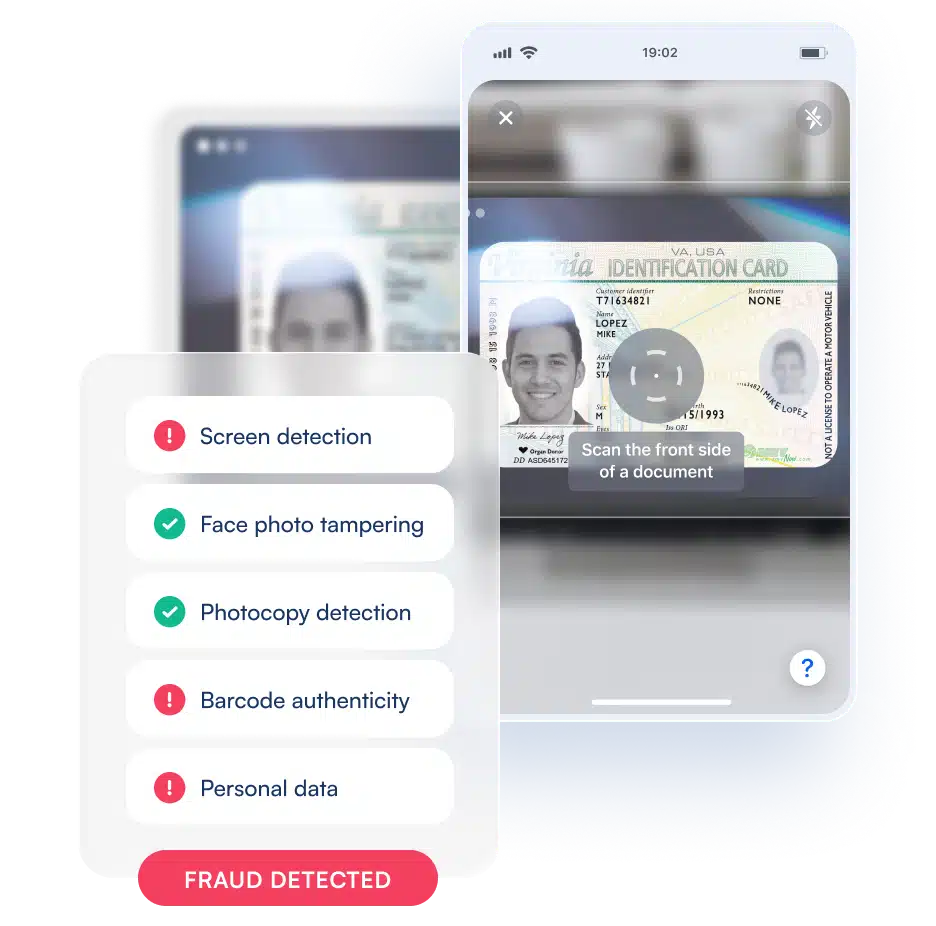
What’s needed instead is a more connected approach. One that interprets signals across the entire identity lifecycle, detects manipulation early, and makes consistent decisions over time.
From Users To Actors
This challenge becomes even more complex as autonomous AI agents enter the picture.
Autonomous agents are already searching, booking, purchasing, and transacting on behalf of humans. We are still in the early phases of agentic commerce, but it’s quickly becoming integral to digital business. In many cases, the human intent exists, but the human presence does not. An AI agent initiating a transaction may be entirely legitimate. Another doing the same thing may be malicious.
For businesses trying to detect fraud, those interactions can look identical.
This is where the concept of an actor becomes critical. Identity is no longer a static moment at onboarding or login. It’s not just about who is involved, but what they are doing, how they are behaving, and whether their actions continue to align with the authority they’ve been granted.
An actor is defined by behavior over time. What matters is how an entity acts across a session, across transactions, and across its entire lifecycle. Two actors may start with the same credentials and permissions, but diverge quickly based on what they do next.
That’s why it’s no longer enough to know whether an interaction is automated. Organizations need to understand what kind of automation it is, who or what it represents, and what actions it is attempting to perform, continuously, not just once.
That’s the shift toward what we call Know Your Actor.
From Verifying Identity to Deciding Trust
At Microblink, this shift has catalyzed us to rethink the role of identity entirely.
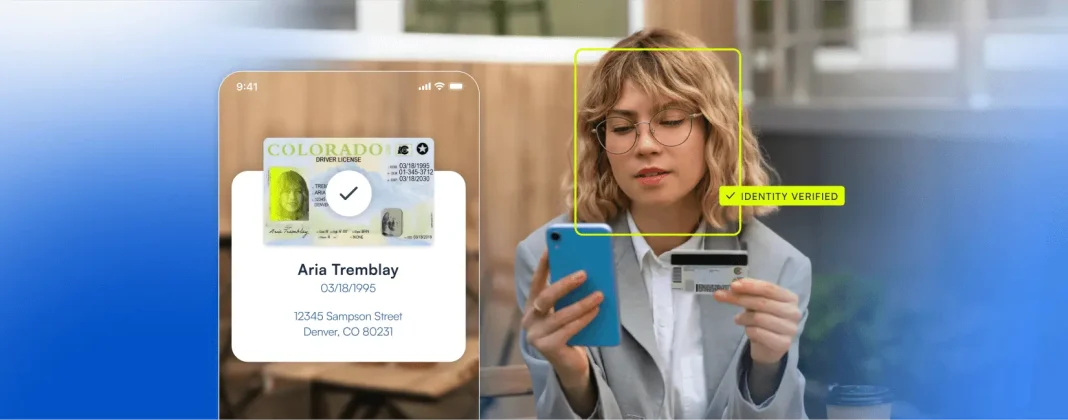
Traditional identity verification answers a narrow question: is this person who they claim to be?
In an agent-driven world, the more important question becomes: should this interaction be trusted to proceed?
That requires more than a single check. It requires tying automation back to verified human intent, continuously evaluating behavior, and applying decisions consistently across channels and moments in time.
This is why identity can no longer live in isolation from broader trust and security systems. As automation moves up the stack, from background activity to decision-making and execution, identity infrastructure must evolve from verifying users to governing actors. That means authenticating humans, recognizing agents, and defining what actions are permitted under what conditions.
Why This Isn’t Just About More Automation
It’s tempting to think the answer is simply more automation. But automation without context doesn’t reduce risk. It accelerates it.
What we’re moving toward instead are AI-assisted workflows. Systems that can apply conditional decisioning, escalate risk when signals degrade, and reduce manual review only where confidence is genuinely high.
Less manual review doesn’t mean less scrutiny. It means better scrutiny, applied where it matters most.
This balance is critical. The future of identity isn’t about removing humans from the loop entirely. It’s about using intelligence to decide when trust can be granted automatically and when it needs closer examination.
Outcomes Over Tools
There’s one final lesson that’s become increasingly clear.
Businesses don’t want more tools. They want outcomes. They want fraud reduced without unnecessary friction. Compliance met without slowing growth. Automation that delivers efficiency without creating blind spots.
That’s why Know Your Actor isn’t a feature or a framework in isolation. It’s a way of thinking about how trust decisions are made in a world where humans and machines increasingly act together.
At Microblink, our focus is shifting accordingly. We’re not just verifying identity. We’re helping organizations decide trust, consistently, transparently, and at scale.
As agentic systems become more common, that distinction will matter more than ever. The organizations that adapt their identity models now will be able to safely embrace automation. Those who don’t will find it increasingly difficult to distinguish legitimate actors from costly mistakes.
That’s the challenge ahead. And it’s why Know Your Actor is the future of identity verification.