
What Is DAC8? The Global Tax Rule Every Crypto and Marketplace Platform Must Prepare For

If your company processes payments, facilitates crypto trades, or runs a digital marketplace, you need to be aware of the upcoming DAC8 regulation
Set to take effect on January 1, 2026, the EU’s DAC8 directive text expands tax transparency rules to cover crypto-asset transactions and other digital activities. But what many companies don’t realize is that DAC8 applies globally, even if your business isn’t based in the EU.
Whether you’re operating from San Francisco, Singapore, or Stockholm, if your platform has any EU users, DAC8’s crypto reporting and due diligence requirements likely apply to you.
What Is DAC8?
DAC8, short for the Eighth Directive on Administrative Cooperation, is the European Union’s latest step toward full tax transparency in the digital economy.
It builds on earlier versions (like DAC7, which targeted marketplaces such as Airbnb and Etsy) and extends the same framework to crypto-assets and digital platforms.
The directive requires platforms to identify EU-resident users, report their transactions, and share this data with EU tax authorities to prevent tax evasion and improve cross-border oversight.
DAC8 also aligns with the OECD’s Crypto-Asset Reporting Framework (CARF), which is a global standard for tax transparency in crypto. While DAC8 implements CARF within the EU, a separate Microblink blog post next month will dive deeper into how the two frameworks intersect and what that means for international compliance, so stay tuned!.
Who Must Comply With Dac8
Unlike previous EU regulations, DAC8’s scope is extraterritorial. That means it affects any platform with EU users, regardless of where the company itself is headquartered.
DAC8 applies to:
- Crypto exchanges and wallet providers
- E-commerce and gig economy marketplaces
- Rental and services platforms
- Payment processors and digital wallet apps
If your business has even one EU customer, you fall within its jurisdiction.
That includes:
- A U.S. exchange offering crypto services to European traders
- An Asian fintech app enabling EU residents to buy tokens or NFTs
- A global marketplace serving EU buyers and sellers
DAC8 Compliance Requirements
Before diving into implementation, it’s crucial to understand what DAC8 actually requires from crypto platforms, marketplaces, and financial institutions. The table below summarizes the key obligations under the directive.
| Requirement | Description |
| User Due Diligence | Platforms must identify and verify all reportable users through reliable KYC processes, including collecting personal data and tax residency information. |
| Transaction Reporting | Crypto asset service providers must report all relevant transactions—such as exchanges, transfers, and sales—to EU tax authorities. |
| Cross-Border Data Sharing | Collected information will be automatically shared across all EU member states under the Common Reporting Standard (CRS). |
| Verification of Non-EU Users | Even non-EU companies must verify and report users who are EU residents or citizens, regardless of where the company is based. |
| Data Retention and Security | Platforms must securely store user identity and transaction data for at least five years, ensuring GDPR compliance. |
| Penalties for Non-Compliance | Failure to meet DAC8 requirements can result in severe fines, regulatory investigations, and reputational damage. |
DAC8 and the Crypto Industry
The crypto sector faces the biggest adjustment under DAC8. For the first time, exchanges, wallet providers, and other digital asset platforms must operate under tax-reporting rules similar to traditional financial institutions.
This means KYC (Know Your Customer) verification becomes mandatory for EU users. Furthermore, transaction reporting must include both fiat and crypto movements. User residency checks are also required to determine reporting obligations.
Crypto businesses that rely on manual verification or fragmented compliance systems will struggle to meet these demands.
A key challenge will be scaling identity verification across multiple jurisdictions, document types, and languages while maintaining speed and security.
That’s where Microblink can help
How Microblink Helps Platforms Comply With DAC8
Microblink is a global leader in AI-powered identity verification, trusted by leading financial services, payments, and eCommerce brands.
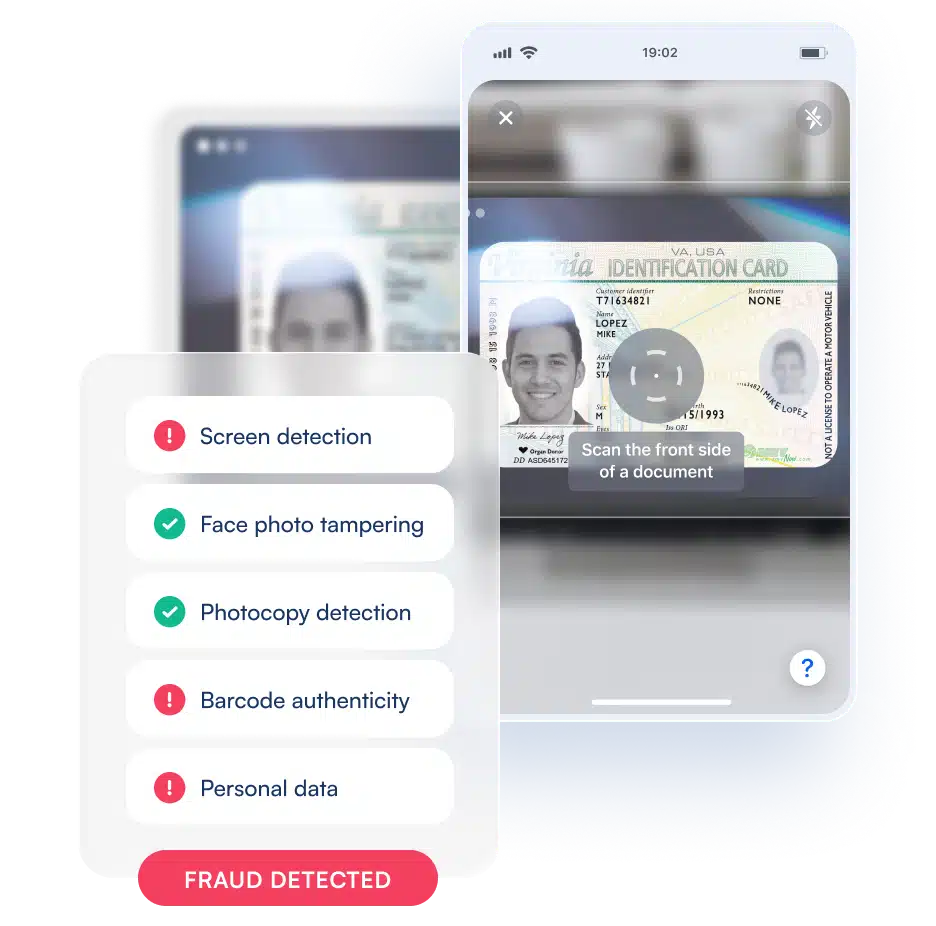
Its technology combines real-time ID document scanning, KYC, liveness detection, and fraud prevention, helping companies verify users accurately, instantly and at scale.
For platforms subject to DAC8, Microblink enables:
- Automated ID verification for users worldwide
- Multi-jurisdiction document authentication with support for EU and global IDs
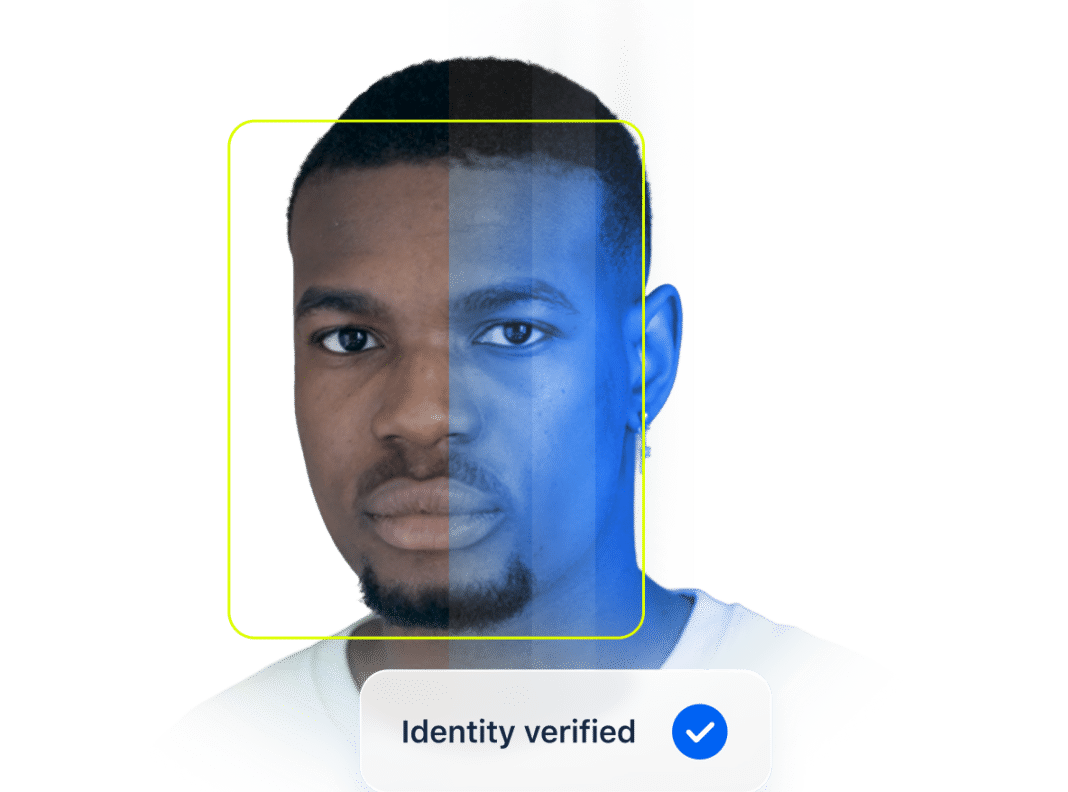
- Liveness checks to confirm users are real and present
- Seamless API integration to add verification into existing onboarding or KYC flows
- Reduced manual review times, improving both compliance and user experience
With BlinkCard, a component of Microblink’s platform, merchants and payment processors can also verify card authenticity and stop CNP (card-not-present) fraud before it happens, a crucial safeguard for platforms handling crypto or digital payments.
Microblink’s AI-driven solutions ensure that identity verification and DAC8 due diligence can be managed automatically, reducing the compliance burden for crypto and fintech businesses while maintaining user trust.
Beyond Crypto: DAC8 and Digital Marketplaces
DAC8, however, doesn’t stop at crypto.
Marketplaces, from global e-commerce platforms to gig-economy apps, will also face stricter reporting and identity verification rules.
These companies must identify sellers or service providers who are EU residents and report their earnings to local tax authorities.
That introduces complex challenges, including, handling multiple document types across different countries, managing multi-language verification and preventing fraudulent user submissions
Microblink’s technology directly addresses these issues with automated, scalable verification that works across borders, helping marketplaces stay compliant while keeping onboarding fast and user-friendly.
Preparing for DAC8: Action Steps for Non-EU Companies
The clock is ticking. DAC8 takes effect on January 1, 2026, leaving less than three months for companies to get their compliance plans in motion.
Here’s where to start:
- Audit your user base – Identify EU customers and transactions.
- Perform a gap analysis – Compare your current verification and reporting processes against DAC8 requirements.
- Plan your technology integration – Ensure your KYC, ID verification, and reporting tools can handle EU compliance.
- Engage a trusted partner – Use providers like Microblink to automate verification, reduce error rates, and accelerate compliance readiness.
- Set a timeline – Start implementation no later than mid-2025 to allow for testing and certification.
Compliance Is Global Now
DAC8 represents a turning point for digital compliance — one where tax transparency, identity verification, and fraud prevention converge.
Even companies outside Europe can no longer assume EU regulations don’t apply to them.
By acting early and implementing scalable compliance solutions, crypto and marketplace platforms can not only avoid penalties but also build trust, transparency, and operational resilience.
And with Microblink’s AI-powered verification technology, meeting DAC8’s global reporting obligations doesn’t have to slow your business down. Get in touch today to learn more about how we can help.