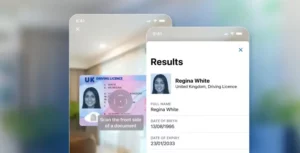

What is Fullz?
Fullz refers to a complete set of personal and financial information of an individual. It typically includes the person’s full name, date of birth, Social Security number, address, phone number, email address, and sometimes even additional details like driver’s license number, bank account details, and credit card information. The term “Fullz” originated from the phrase “full information” and is commonly used in the context of identity theft and cybercrime.
How Criminals Obtain Fullz
Criminals acquire Fullz through various illicit methods, including:
- Data breaches – Large-scale compromises of corporate databases, healthcare systems, and government agencies
- Hacking – Direct infiltration of computer systems and networks
- Phishing attacks – Fraudulent emails, websites, and messages designed to trick victims into revealing personal information
- Social engineering – Manipulating individuals through psychological tactics to divulge sensitive data
- Purchasing from other cybercriminals – Buying stolen data from underground marketplaces
Dark Web Distribution
The extensive data in Fullz makes it a valuable commodity on the dark web, where it is sold through:
- Underground marketplaces – Specialized platforms that facilitate the sale of stolen personal information
- Private forums – Exclusive communities where criminals trade high-quality data sets
- Telegram channels – Encrypted messaging platforms used for quick transactions
- Direct sales – Person-to-person transactions between established criminal contacts
Pricing varies based on data freshness, completeness, and the victim’s financial profile, with complete Fullz packages typically selling for $5 to $200 per record.
Criminal Uses and Fraud Applications
Criminals use Fullz for various fraudulent activities, including:
Financial Fraud
- Opening fraudulent bank accounts – Using stolen identities to establish new financial relationships
- Applying for loans and credit cards – Leveraging victims’ credit histories for unauthorized borrowing
- Account takeovers – Gaining control of existing financial accounts through identity verification processes
Government Fraud
- Filing false tax returns – Claiming fraudulent refunds using victims’ Social Security numbers
- Benefits fraud – Applying for unemployment, disability, or other government assistance programs
- Document fraud – Obtaining fake identification documents and licenses
Identity Impersonation
- Medical identity theft – Using victims’ information to obtain healthcare services
- Employment fraud – Securing jobs under false identities
- Synthetic identity creation – Combining real and fake information to create new identities
Legal Consequences and Law Enforcement
The trafficking and use of Fullz constitutes serious federal crimes with severe penalties:
Federal Laws
- Identity Theft and Assumption Deterrence Act – Makes identity theft a federal crime punishable by up to 15 years in prison
- Computer Fraud and Abuse Act – Addresses hacking and unauthorized access to computer systems
- Wire Fraud Act – Covers electronic transmission of fraudulent schemes
Typical Penalties
- Prison sentences – Range from 2 to 30 years depending on the scope and impact of crimes
- Financial restitution – Criminals must compensate victims for losses and damages
- Asset forfeiture – Government seizure of proceeds from criminal activities
- Supervised release – Extended monitoring periods following incarceration
Law enforcement agencies including the FBI, Secret Service, and international partners actively investigate Fullz trafficking through specialized cybercrime units and joint task forces.
Protection and Prevention Strategies
Individuals can protect themselves from becoming Fullz victims through:
Preventive Measures
- Monitor credit reports – Check all three credit bureaus regularly for unauthorized activity
- Use strong, unique passwords – Implement different passwords for each online account
- Enable two-factor authentication – Add extra security layers to important accounts
- Be cautious with personal information – Limit sharing sensitive data on social media and unsecured websites
- Secure mail and documents – Shred sensitive paperwork and use secure mailboxes
Response to Compromise
- Place fraud alerts – Contact credit bureaus immediately if identity theft is suspected
- File police reports – Document the crime with local law enforcement
- Report to federal agencies – Submit complaints to the FTC and FBI’s Internet Crime Complaint Center
- Contact financial institutions – Notify banks and credit card companies of potential fraud
- Consider credit freezes – Restrict access to credit reports to prevent new account openings
The substantial amount of personal information in Fullz poses a significant risk to individuals, as it can lead to financial loss, damage to credit scores, and potential legal troubles. Understanding these risks and implementing protective measures is essential for maintaining personal security in the digital age.