
From Fake Sites to Friendly Fraud: This Year’s Top Black Friday Scams

Black Friday is no longer just about long lines and doorbusters. It’s become a global digital event that attracts both shoppers and scammers in equal measure. For fraud and risk teams, that means one thing: higher transaction volumes, higher velocity, and higher risk.
Here are some of the most prevalent scams to keep on your radar this Black Friday and holiday season.
Delivery Fraud: Exploiting the “Last Mile”
Black Friday’s surge in e-commerce volume puts enormous pressure on logistics and fulfillment systems, and bad actors know to exploit these pressures. Fraudsters have learned to hide in the gray zone between shipper, courier, and customer. They fabricate proof-of-delivery signatures, falsify tracking numbers, or intercept packages in transit, often leaving merchants and consumers pointing fingers at each other.
For risk teams, this can be a big problem. Most delivery workflows still rely on minimal verification, like a name or phone number, which can be easily scraped or spoofed. As automated agents and third-party APIs handle more of the fulfillment chain, identity assurance at every step, from checkout to delivery confirmation, becomes critical.
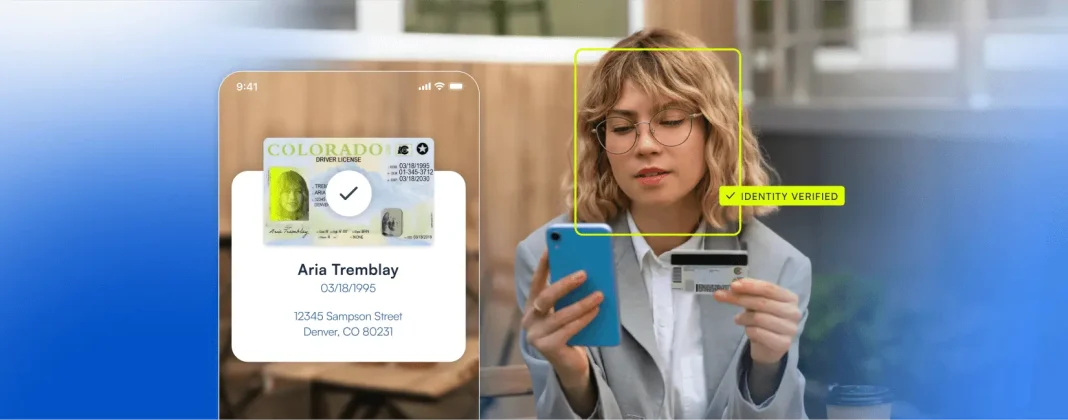
AI-powered identity verification can help merchants confirm both human and digital participants in these high-volume delivery networks, closing one of the most overlooked fraud gaps of the holiday season.
A New Spin on Expense Fraud
Generative AI isn’t just making art and writing college essays, it’s quietly being used to create fake receipts that look indistinguishable from the real thing. Fraudsters (and even employees) can now generate perfect invoices, restaurant bills, or travel receipts in seconds, complete with realistic logos, tax lines, and timestamps.
What makes this form of fraud especially dangerous is its invisibility. There’s no card transaction to trace, no merchant record to audit; just a synthetic document that looks legitimate enough to pass automated review.
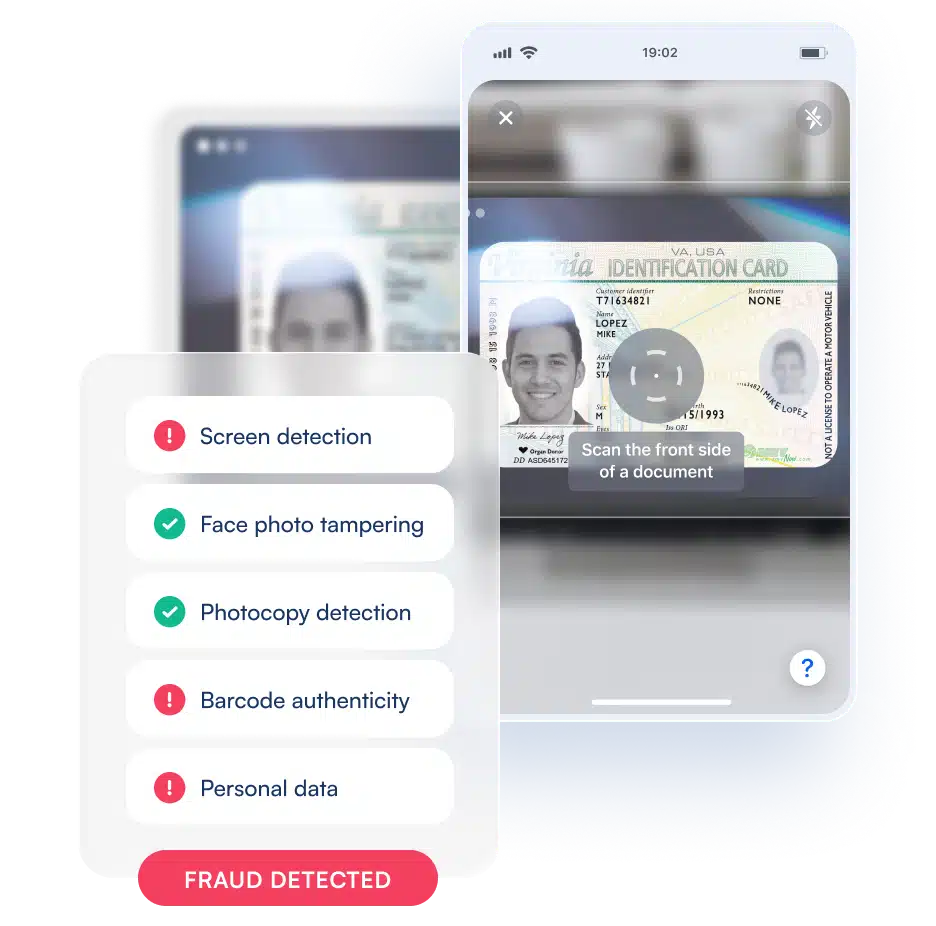
Modern fraud detection systems can fight back using the same technology that created the problem. By applying AI to analyze fonts, layouts, metadata, and image artifacts, businesses can flag subtle anomalies that no human reviewer could catch. For risk leaders, this shift highlights the growing need to verify what’s real in addition to who’s real.
Refund and Return Abuse: “Friendly” Fraud Spikes
Once the Black Friday rush ends, refund season begins, and with it comes a spike in “friendly” fraud. Customers claim an item never arrived, was defective, or didn’t match the description, then demand a refund while keeping the product.
In many cases, these aren’t professional fraud rings but opportunistic consumers exploiting overly generous return policies. Yet the financial impact adds up fast, especially for retailers dealing with thin holiday margins.
The key for risk teams is finding balance: automating legitimate returns while applying stronger identity verification, device checks, and behavioral models to spot serial refunders or policy abusers. By combining fraud and identity data, retailers can reduce chargebacks and protect revenue without punishing honest shoppers.
Fake Flash Sales and Clone Sites
Every November, thousands of “too-good-to-be-true” deals appear across the web — and many of them are. Fraudsters spin up cloned retail sites that perfectly mimic legitimate brands, complete with stolen product photos, checkout flows, and payment pages. The goal? Capture card data and personal information from hurried shoppers before the real brand even notices.
Even sophisticated consumers fall for these scams, especially when the fake sites use domain names or URLs that differ by a single character. For merchants, clone sites not only drain revenue but also damage reputation and trust.
Device intelligence and behavioral analytics can help distinguish legitimate traffic from coordinated spoof campaigns. Identifying unusual device fingerprints or high-velocity signups before checkout can stop fake storefront activity before it spreads.
Fraud continues to become more sophisticated and more prevalent, and that means the way we fight it must evolve as well. To learn more about how Microblink can help your business stay ahead of fraud, get in touch today.