
Advanced Fraud Detection and Prevention Techniques

Incidents of online fraud soared during the pandemic. In fact, the Federal Trade Commission (FTC) reported a staggering 2,920% increase in identity theft cases—and that was merely one subset of the fraud landscape.
Cases may have dwindled since its peak, but the importance of fraud detection and prevention techniques hasn’t. With advances in consumer technology and an increasing reliance on conducting business entirely in the digital space, the vulnerabilities exploited during the pandemic still must be contended.
Adopting the most up-to-date and effective fraud prevention measures and risk management strategies can protect organizations from financial losses, legal complications, and reputational damage.
Key fraud detection techniques
Artificial intelligence (AI), machine learning (ML), and other technological advances are progressively leveraged to commit stealthier and more catastrophic cybercrimes. But they’re also increasingly used for financial crime prevention and to combat other nefarious efforts.
Through state-of-the-art models and sophisticated technologies, organizations are better equipped than ever to flag, stop, and respond to any fraud that may affect them and their customers.
However, it’s not simply about leveraging technology to build a formidable defense and detect fraud; businesses must combine this effort with:
- Employee training and collaboration
- Internal controls
- Automated monitoring systems
By creating a holistic safeguard, companies can keep their credibility and customers’ trust intact and protect assets.
To date, the most effective fraud prevention tools and functions worth considering include the following.
Data analysis and anomaly detection
Data analytics enables financial institutions and other entities to gather and assess vast amounts of data and detect anomalies that may indicate potentially fraudulent transactions, whether identity theft or an account takeover attack.
This is a must for businesses: research demonstrates that organizations that employ data analytics have a 47% lower incidence of fraud than those that don’t.
The speed of AI/ML algorithms—and the immense pool of data these systems can analyze—transcends human ability. That said, data analytics is subject to the inaccuracies that might arrive with irrelevant or biased data. This underscores the need to pair AI in fraud prevention with human intelligence to evaluate anomalies, their risks, and whether an action should be taken.
Pattern recognition and behavioral analysis
Pattern recognition and behavioral analysis refer to the science of analyzing data—such as purchasing history and browsing habits—in real time to identify patterns in user behavior and account usage. This empowers businesses and financial institutions to act when activities fall outside the norm, such as mixed deposits in a dormant account or a burst of large purchases.
While pattern recognition can halt fraud—or keep it from perpetuating—it isn’t flawless. Two of the most significant drawbacks are:
- False positives: “False positives” refers to activities incorrectly flagged as suspicious. This may diminish consumer trust and result in financial transaction losses from disrupting consumers’ purchasing journey.
- Data quality: The efficacy of pattern recognition hinges on the quality of the data being analyzed. If the data is outdated or too new to reveal a user’s historical context, it may overlook fraudulent activity or lead to another false positive.
Real-time monitoring and alerts
Real-time monitoring and alerts work with data analytics, pattern recognition, and behavioral analytics to spot and stop fraudulent activities within seconds.
If, for example, a consumer receives an alert confirming a money transfer they didn’t initiate, they can notify their financial organization immediately—and vice versa. This ensures only secure online transactions are taking place.
Biometric verification
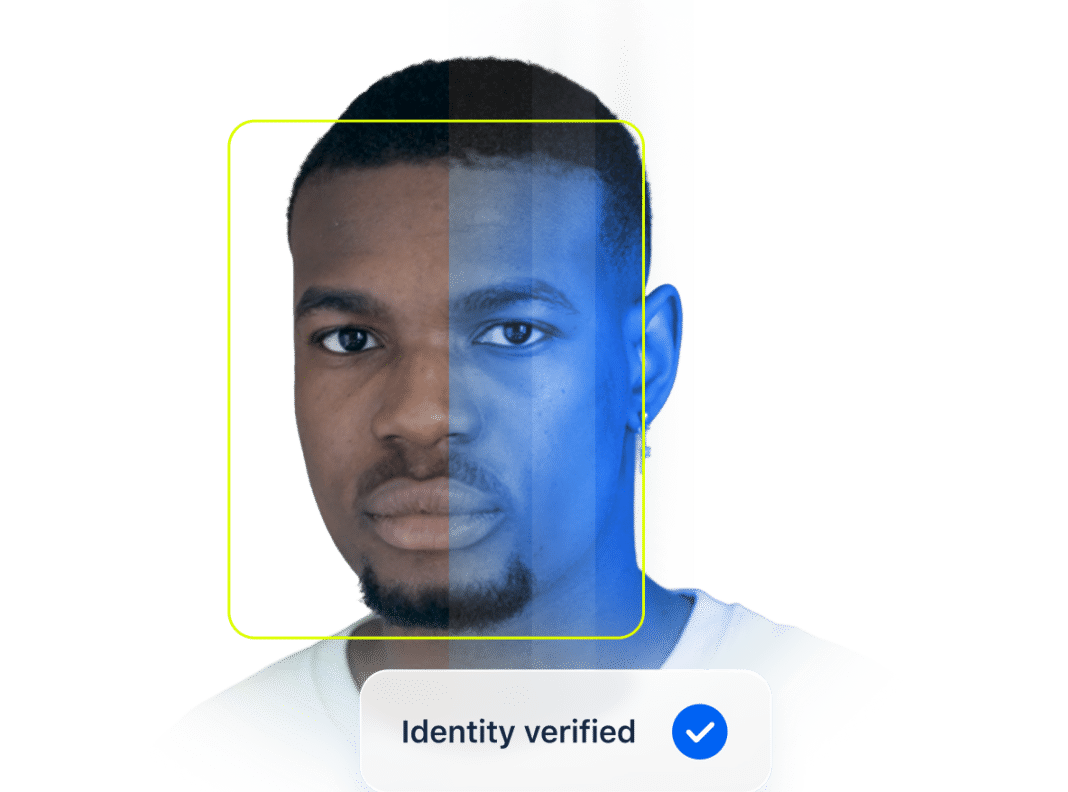
Biometric verification, a feature in identity fraud detection systems and prevention software, is deemed one of the most challenging barriers for fraudsters to scale—and one of the savviest fraud prevention measures available.
The process relies on distinct, nearly impossible-to-replicate biological traits to confirm one’s identity, such as:
- Fingerprints
- Retina scans
- Facial recognition
What is the predominant disadvantage of this identity verification technology? The possibility of a data breach: unlike a password or PIN, unique biological characteristics cannot be altered. Thus, this solution must be paired with other overarching cybersecurity measures.
Role of technology in enhancing fraud detection
Gone are the days when fraud detection and prevention techniques were performed through manual reviews and evaluations. Automated, AI/ML-powered tactics have revolutionized the anti-fraud battlefield, helping financial institutions and businesses keep abreast of suspicious activity and curb the fraud risk before it happens.
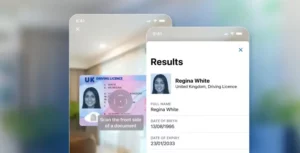
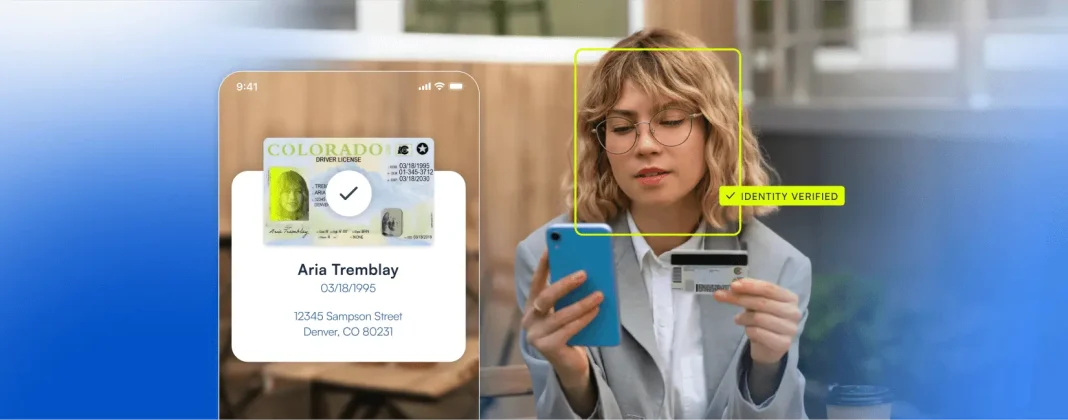
Microblink is on the frontlines. As one of the leading providers of customer identity verification software, Microblink leverages AI/ML to ascertain that people are who they assert to be through our state-of-the-art Capture, Extract, and Verify features.
From there, additional functions—including built-in validation logic and automatic classification—streamline the identification process securely and precisely.
Implementing Microblink’s solutions for enhanced security
From credit card fraud to digital identity theft, fraud continues to take a toll on financial institutions, businesses, and consumers, extending well beyond economic losses. This has rendered the need for enhanced security more acute than ever before.
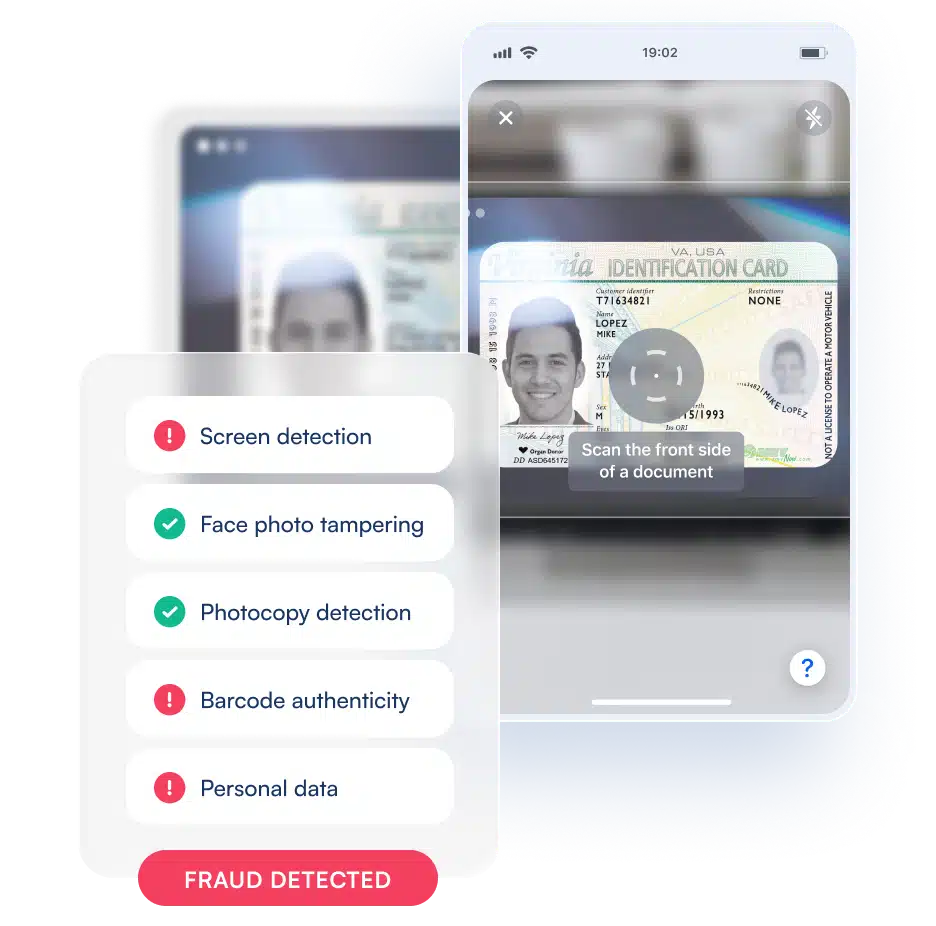
Microblink’s offering of identity document verification products are designed to serve as a key part of this solution. BlinkID Verify helps organizations reduce fraud by as much as 50% alone. Try our demo to better understand how we’re determined to outthink fraudsters—and help consumers and organizations come out as winners.