
EU Entry Exit System: Identity Verification Requirements
The EU Entry Exit System (EES) represents one of the most significant changes to cross-border travel and identity verification in decades. Designed to modernize how non-EU nationals are registered when entering and exiting the Schengen Area, EES replaces manual passport stamping with a digital system that records biometric and biographic data at scale. For compliance professionals, this shift is not just a border control update. It signals a broader move toward continuous, technology-driven identity assurance across travel, finance, and regulated industries.
As EES comes online, organizations that interact with travelers, customers, or identity data must rethink how they verify identities quickly, accurately, and in line with stricter regulatory expectations.
What Is the EU Entry Exit System and How Does It Work?
The EU Entry Exit System is a centralized IT system that records the entry and exit of non-EU nationals traveling for short stays within the Schengen Area. Instead of physical stamps, EES captures biometric data such as facial images and fingerprints, along with travel document details and entry or exit timestamps. This information is shared across participating border authorities to calculate authorized stay durations and detect overstays automatically.
By digitizing border records, EES improves accuracy, reduces reliance on manual checks, and creates a consistent identity trail across multiple border crossings. For regulators, this strengthens enforcement. For organizations, it raises expectations around identity accuracy, data quality, and interoperability with official systems.
Why the EU Entry Exit System Matters Beyond Border Control
While EES is administered by border authorities, its impact extends well beyond immigration checkpoints. The system reflects a regulatory philosophy that prioritizes digital identity, biometric verification, and automated decisioning. This approach increasingly influences KYC, AML, and customer onboarding standards across industries that deal with international users.
Compliance teams should view EES as a signal of where regulation is heading: toward higher assurance identity verification, stronger fraud detection, and reduced tolerance for manual or fragmented processes that can be exploited.
Key Compliance and Operational Challenges Introduced by EES
- Meeting higher expectations for identity accuracy and biometric matching
- Verifying identities quickly without creating bottlenecks at onboarding or check-in
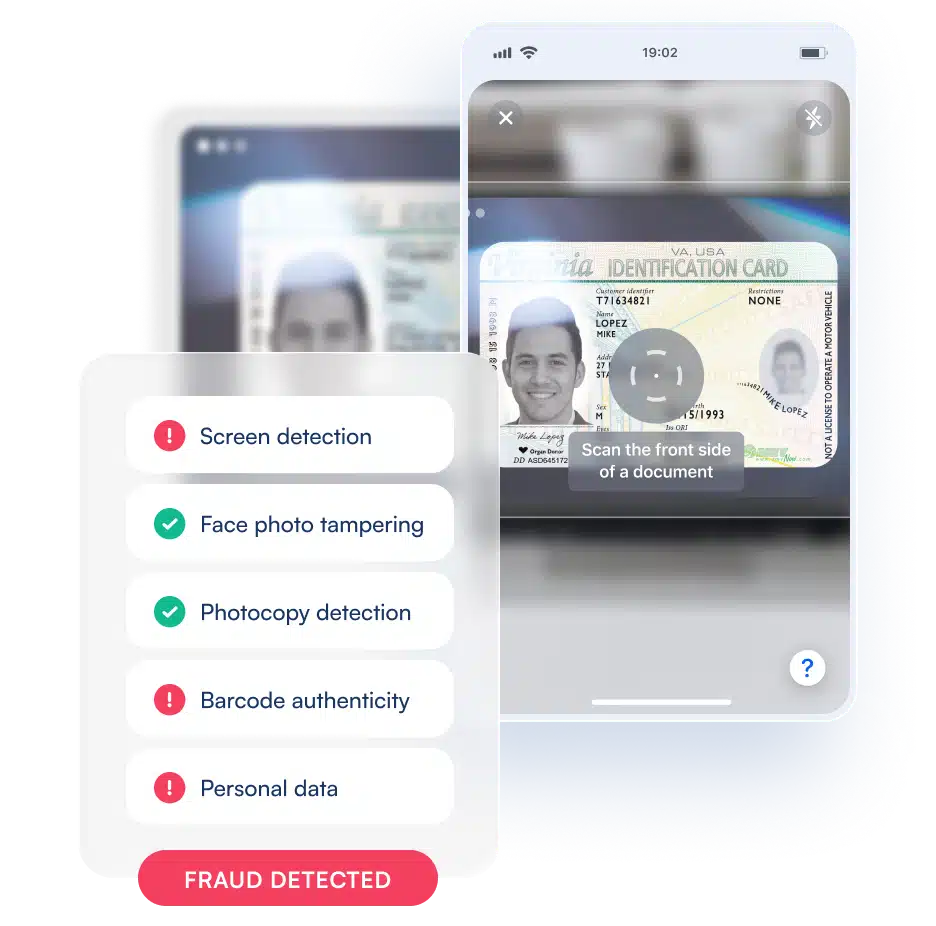
- Detecting synthetic identities and deepfakes that can pass basic document checks
- Ensuring audit readiness as regulators expect stronger identity controls
- Aligning user experience with stricter compliance requirements
Addressing Synthetic Identity and Deepfake Risk Under EES
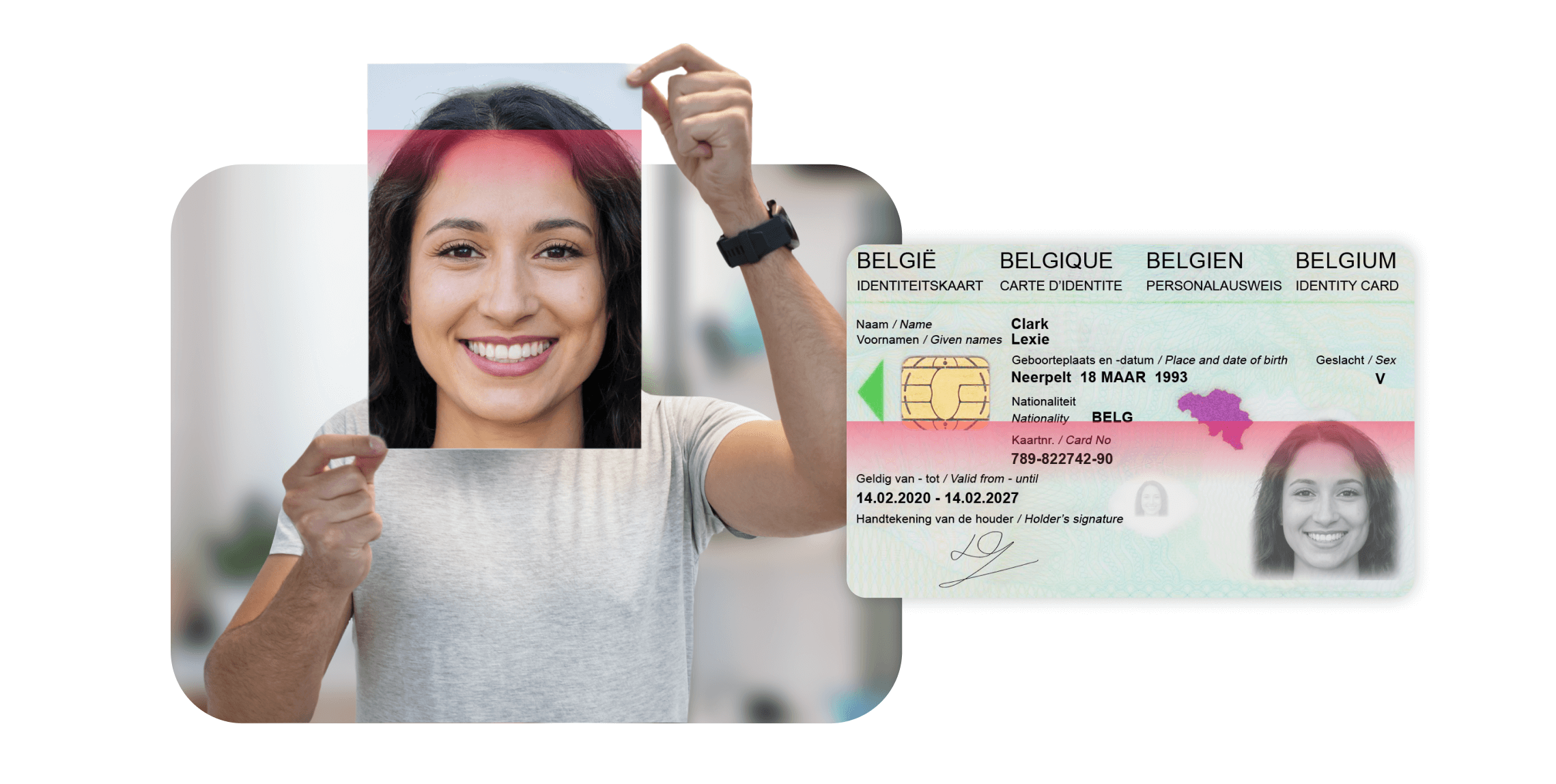
One of the less obvious implications of the EU Entry Exit System is how it raises the bar for fraud prevention. As biometric systems become standard at borders, fraudsters are shifting tactics toward synthetic identities and AI-generated documents that can exploit weak capture or verification workflows earlier in the journey.
Organizations relying on low-quality image capture, manual review, or static rules face increased exposure. High-fidelity document analysis, biometric consistency checks, and real-time fraud detection are becoming essential not only for security, but also for regulatory defensibility under evolving EU standards.
Enhancing User Experience While Meeting EES Requirements
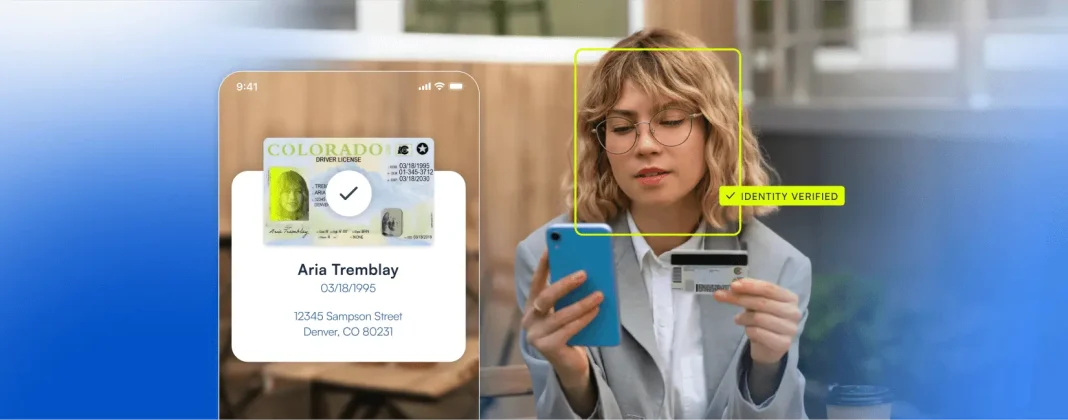
A common concern among compliance leaders is whether stricter identity requirements inevitably lead to worse customer experience. EES demonstrates that automation, when implemented correctly, can actually reduce friction. By removing manual checks and enabling faster, more reliable identity verification, digital systems allow travelers and customers to move through processes with fewer interruptions.
The challenge for organizations is applying the same principles internally: automated verification, risk-based decisioning, and minimal manual intervention, all while maintaining transparency and auditability.
Traditional Verification vs. EES-Aligned Identity Approaches
| Capability | Traditional Verification | EES-Aligned Approach |
|---|---|---|
| Identity capture | Manual entry, low-quality images | Automated, high-resolution capture |
| Fraud detection | Rules and post-event review | Real-time, AI-driven analysis |
| Biometric use | Limited or optional | Core to identity assurance |
| Compliance posture | Reactive, audit-driven | Proactive and continuous |
| User experience | Slow and repetitive | Fast, low-friction, consistent |
Preparing for the EU Entry Exit System Today
The EU Entry Exit System is not a future concern. Its rollout sets expectations that will shape regulatory scrutiny and customer expectations for years to come. Compliance teams that modernize identity verification now will be better positioned to meet EES requirements, reduce fraud exposure, and maintain smooth onboarding experiences as digital borders become the norm.
Microblink supports organizations navigating this shift by enabling fast, accurate, and automated identity verification aligned with modern regulatory frameworks. By combining advanced document intelligence, biometric verification, and fraud detection, compliance teams can meet EES-driven requirements while preserving trust and operational efficiency at scale. To learn how Microblink can help, get in touch today.