
Protect Your Business from Digital Identity Fraud

Identity theft has existed for centuries, but it’s become increasingly rampant in our digital era. Today, it’s estimated that identity fraud occurs every 22 seconds—and takes a lasting, drastic toll on consumers, financial institutions, and businesses.
Experts agree that the onus of digital identity fraud prevention is split between customers and the companies and financial institutions with whom they do business. Unlike customers, however, financial institutions and businesses are legally and ethically required to implement digital identity fraud measures to protect their customers.
Here’s why understanding fraud matters—and the steps that can be taken to outsmart fraudsters.
Understanding digital identity fraud
Digital identity theft is technically defined as misusing another’s personal or financial account information to commit fraud. In these incidences, credit and debit card details, social security numbers, bank account information, and other pieces of sensitive data are stolen through various means to perform a handful of fraudulent activities, such as:
- Opening fake accounts
- Obtaining loans
- Making purchases
- Filing for tax returns
- Applying for government benefits
As cybercriminals embrace increasingly sophisticated methods to successfully commit identity fraud—including using AI to conduct “deepfake” identity theft and data breaches—businesses are increasingly pressured to adopt measures that safeguard their customers’ identities, online accounts, and integrity.
The importance of digital identity fraud prevention
Whether digital identity theft is due to a data breach or a phishing scam, it often has an enduring impact on its victims. Banks and other financial institutions are expected to cover the legal expenses, penalties, and business disruptions associated with fraud while also managing a loss of trust in their credibility. Meanwhile, customers might face repercussions ranging from a damaged credit score to a damaged reputation.
Remember that cybercriminals target not just individual consumers but entire business entities. They may steal a business’s tax identification number (TIN) and impersonate owners and employees to commit fraud.
Fortunately, robust prevention and fraud management solutions are in place and on the rise, enabling businesses to shield their customers—enhance their clients’ satisfaction, and bolster loyalty while they’re at it.
Recognizing types of digital identity fraud
Understanding the predominant forms of digital identity fraud is the first step toward prevention. These include:
- Synthetic identity theft
- Medical identity theft
- Child identity theft
- Financial identity theft
- Account takeover fraud
- Tax identity theft
- Online identity theft
Each of these forms of fraud has a singular aim: to use a stolen identity for personal or economic gain.
Strategies for digital identity fraud prevention
In addition to adhering to the rules set forth by the Identity Theft Protection Act and remaining compliant with industry regulations (which help mitigate fraud risk), some of the savviest prevention strategies and best practices businesses can establish include the following.
Strong authentication methods
Secure identity verification is crucial in the digital world. It’s widely agreed that two-factor and multi-factor authentication are among the smartest digital identity theft prevention strategies. Biometric technology authentication—or using voice or fingerprints to certify one’s identity— elevates the process and may dial up prevention.
Enhanced cybersecurity measures
In today’s world of advanced technology, data security in business is a top priority. Cutting-edge cybersecurity strategies can also thwart digital identity theft and malicious software.
These may include refining and/or enforcing:
- Firewalls
- Anti-virus protection
- Data encryption
- Spyware encryption software
- Suspicious activity monitoring
- Credit monitoring
- Identity fraud detection and prevention software
- Behavioral analytics
- Consumer identity verification software
In addition, an identity theft protection service can provide an added layer of security against fraudulent activity.
Education and awareness campaigns
From leveraging AI to utilizing social engineering, “bad actors” adapt their tactics alongside technological advancements.
Financial institutions and businesses must keep up with the fraud landscape—and keep their employees vigilant. While awareness ought to be an ongoing endeavor, dedicating blocks of time specifically to education and training on fraud and current security and privacy policies is imperative.
Educating consumers about regularly monitoring their free credit report is vital. The Federal Trade Commission also provides free access to credit reports from all three major credit bureaus once a year to help consumers stay on top of their finances.
Collaboration and information sharing within the financial industry
Collaboration and information sharing within the financial industry are essential to combating fraud. Typically, cyber thieves—particularly in cases of synthetic identity theft—commit fraud not just with one entity but several.
Creating a vigorous network in which information is shared securely and in real time across financial institutions, banking products, and other businesses can disrupt the chain reaction of fraud and keep it from perpetuating.
Implementing Microblink’s solutions for fraud prevention
Identity theft affected roughly 40 million people in 2022 alone—a staggering fact underscoring the need to prioritize state-of-the-art prevention methods.
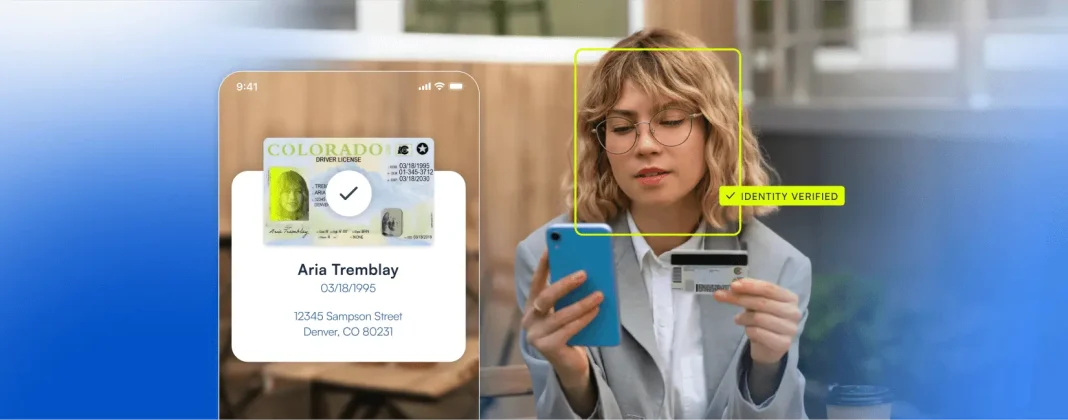
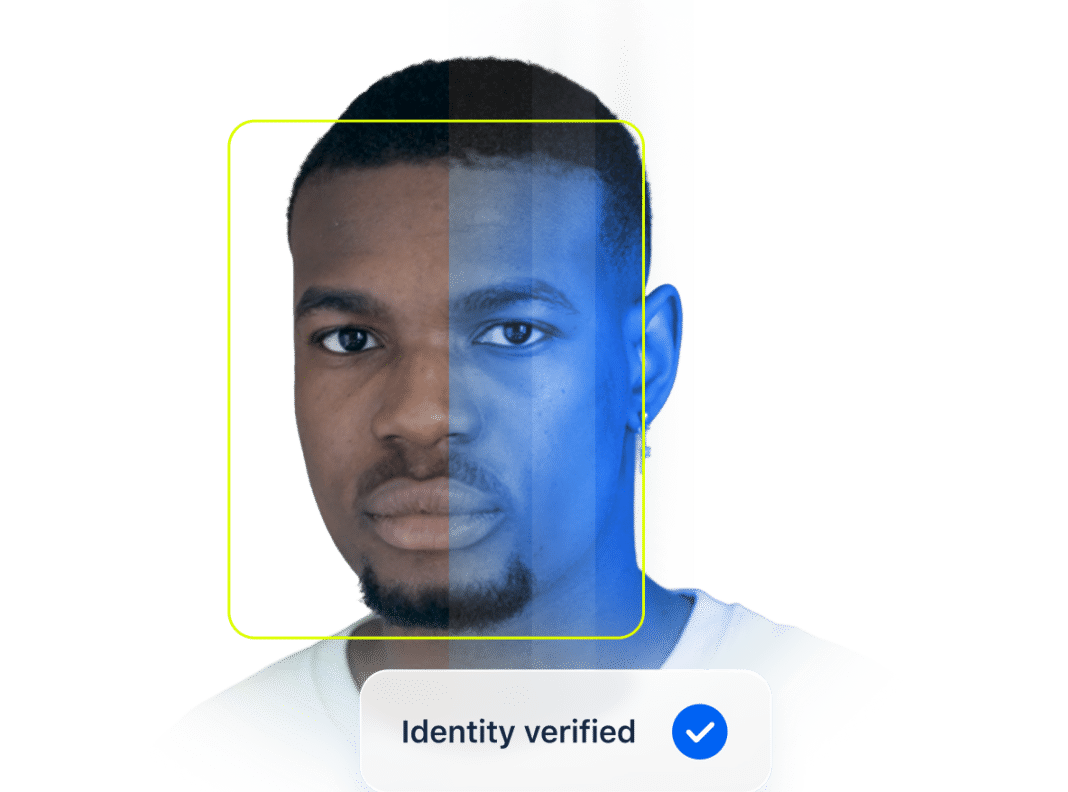
Digital identification verification is one such method. AI-powered, pioneering products like Microblink’s BlinkID can securely and correctly certify the authenticity of individuals remotely.
This security is needed across several industries and for a handful of key purposes, including:
- Patient confidentiality
- Customer onboarding
- Age verification
- Government services
How does Microblink stand apart in the fight against digital identity theft?
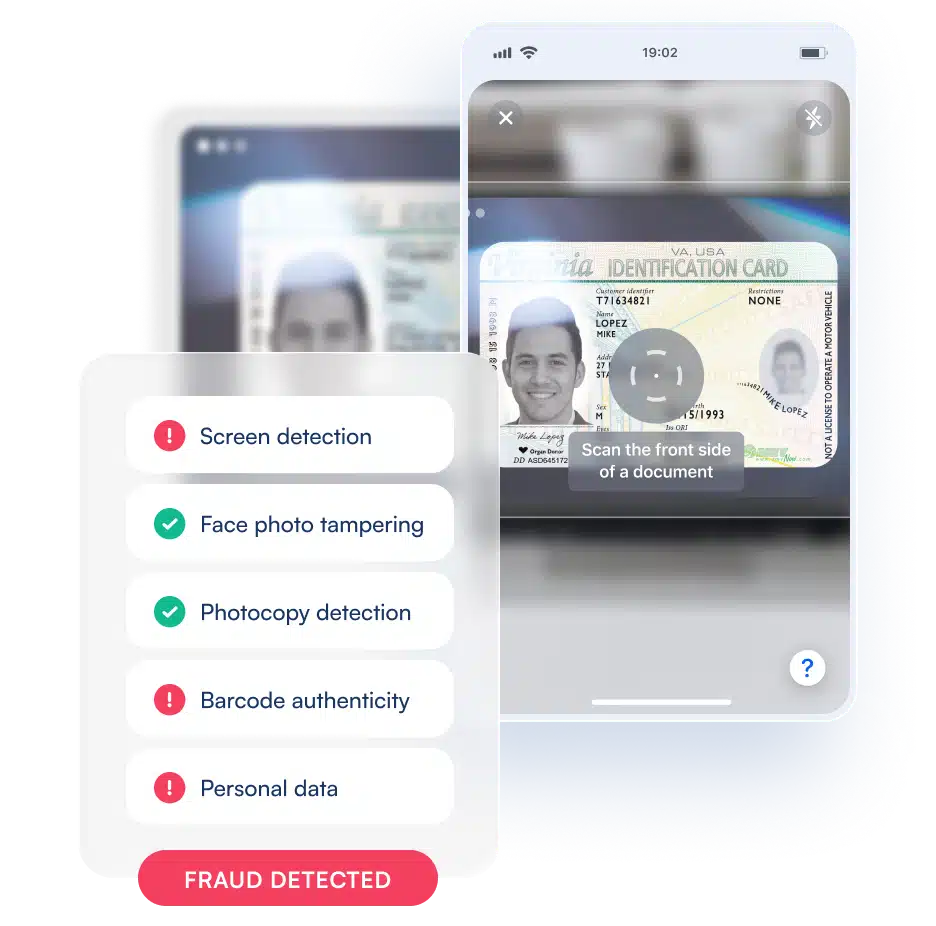
Several key features step up the identity verification process, such as automatic classification (which eliminates the need for error-prone manual input), built-in validation logic, and personal data checks. Further, Microblink utilizes an AI-first approach for barcode authentication and to detect face photo tampering—a critical component in fraud prevention.
Building a culture of security
Diminishing the risk of digital identity theft—and moving quickly and decisively if and when it happens—is far from a solo effort. Nor should it be placed entirely on a business’s security team’s shoulders. Cultivating an organization-wide, security-first ethos is vital to protecting your consumers, reputation, and finances.
As mentioned, routine training is fundamental; further, businesses may elect to implement:
- A comprehensive security plan
- Regular security assessments
- Uniform protocols
Explore Microblink’s innovative solutions firsthand by trying out our demo. See for yourself how our cutting-edge technology can elevate your fraud prevention efforts to the next level.