
What is CARF? Complete Compliance Framework for Crypto-Asset Reporting

In the fast-evolving world of crypto and digital assets, compliance isn’t just a checkbox, it’s more often a moving target. One of the emerging regulatory frameworks making waves in this space is CARF, or the Crypto-Asset Reporting Framework. For compliance professionals (AML/KYC officers, compliance directors), understanding CARF is critical: it impacts how you conduct identity verification, manage risk, and stay audit-ready.
In this blog, we’ll explore what CARF is, why it matters for identity verification, and how embedding CARF into your onboarding processes can help prevent fraud, meet KYC/AML obligations, and improve efficiency.
What Is CARF ?
CARF stands for the Crypto-Asset Reporting Framework. Originally developed by global tax authorities, CARF requires financial institutions and crypto service providers to collect, verify, and report information about crypto-asset transactions. In practice, CARF intersects deeply with KYC/AML requirements, particularly around identity verification and fraud risk.
Key Goals of CARF:
- Transparency in Crypto Transactions: It compels reporting on transfers, holdings, and thresholds to tax and regulatory authorities.
- Strong Customer Identification: Institutions must know “who” is transacting, with reliable identity verification.
- Fraud Prevention: By tying identities to crypto activity, CARF helps reduce misuse (e.g., synthetic or stolen identities).
- Regulatory Reporting: CARF standardizes data collection and reporting, lowering the risk of non-compliance.
For compliance professionals, this means CARF isn’t just another reporting task. It’s a compliance paradigm that changes how identity verification should be managed.
How CARF Strengthens Identity Verification & Fraud Prevention
When done right, CARF becomes a powerful tool in your KYC/AML toolbox, particularly for identity risk and fraud mitigation.
Building Trust with Accurate Identity Checks
- Verified Onboarding: With CARF, compliance teams are encouraged (and sometimes required) to verify identities with high assurance. This includes government IDs, proof of address, and document verification.
- Preventing Synthetic Identities: CARF’s reporting demands make it riskier for fraudsters to use synthetic identities because these fake identities need strong validation and must be tied to actual transaction data.
- Address Verification: A critical piece of identity validation, as regulators may require accurate “place of residence” data for reporting.
Reducing Fraud Risk
- Stolen Identity Detection: CARF-aligned checks reduce the likelihood of stolen ID misuse in crypto onboarding.
- Transaction Monitoring: Because CARF links identity to transaction reports, suspicious wallet behavior becomes more traceable.
- Real-Time Risk Scoring: When combined with tools like AI-driven identity scoring, CARF helps compliance teams flag high-risk customers faster.
Integrating CARF into Your Digital Onboarding Workflow
To make CARF part of your identity verification process (without killing off your user experience), it helps to think of onboarding in stages. Here’s a proposed workflow:
Workflow for CARF-Enabled Identity Verification
| Step | What You Do | Why It Matters for CARF |
| Pre-Application | Ask for preliminary data: name, email, country. | Sets up KYC/AML context and flags jurisdictional requirements. |
| Application | Collect photo ID, proof of address, wallet/payout info. | These data points align with CARF reporting fields. |
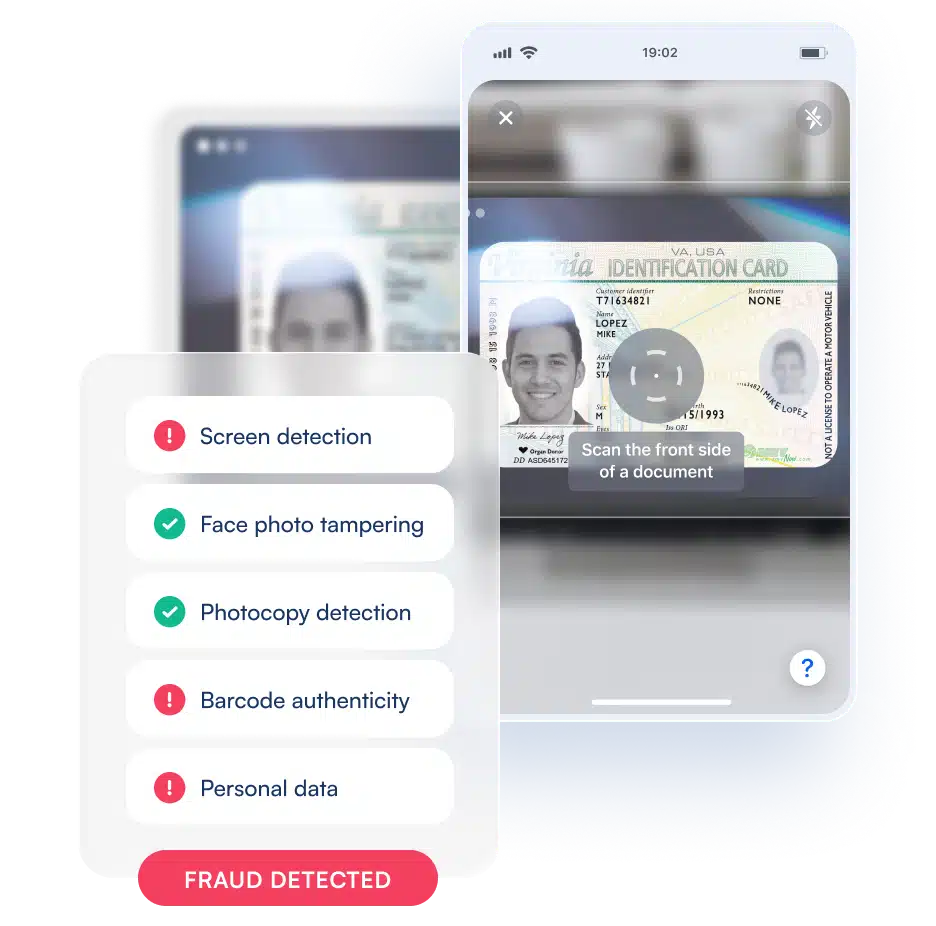
| Verification | Use document verification, biometric checks, and address checks. | Ensures identity is reliable, reducing synthetic or stolen identities. |
| Risk Scoring | Use AI/ML to score risk based on identity + transaction intent. | Helps decide when to apply stricter review or enhanced due diligence. |
| Account Activation | Approve or escalate based on risk, then enable wallet access / crypto services. | Ensures only verified customers with low risk are fully onboarded. |
| Ongoing Monitoring | Monitor transaction behavior and refresh verification when needed. | CARF requires transaction-level data collection, so you must keep identity-data aligned. |
By embedding CARF into every stage, you align with regulatory needs while maintaining a smooth customer experience.
Common CARF Compliance Challenges & How to Solve Them
While CARF may appear straightforward on paper, real-world implementation reveals several challenges. Identity systems often generate false matches or rejections, flagging legitimate customers as potential risks; resolving this requires layered verification—combining document checks, address validation, and biometrics—alongside a manual-review safety net for edge cases.
Customer friction is another concern, especially when onboarding flows demand excessive documentation; adopting a risk-based approach helps balance compliance and user experience by applying lighter checks to low-risk customers and reserving enhanced due diligence for higher-risk profiles. CARF also increases the data collection and reporting burden, making automation essential; API-driven platforms can capture, verify, and route required data with minimal operational overhead.
Finally, audit readiness becomes a major priority under CARF, requiring organizations to log identity data, verification steps, and reports in a secure, organized, and easily retrievable format to support regulatory examinations.
Measuring Success: Key Metrics & Performance Indicators
To evaluate the effectiveness of a CARF-compliant identity program organizations must track a set of meaningful KPIs. Time to verify remains one of the most visible measures, reflecting how quickly customers can move through onboarding and identity checks.
Verification accuracy is equally important, indicating how well your system distinguishes between legitimate users and potential fraud without causing unnecessary friction. Institutions should also monitor compliance audit scores to determine how well they align with CARF, KYC, and AML expectations, alongside tracking fraud incidents to understand whether synthetic and stolen identity attacks have decreased after implementing CARF-aligned workflows.
Customer drop-off rate serves as a final, critical metric, showing the impact of verification friction on user behavior. Collectively, these indicators help teams assess both compliance strength and the overall onboarding experience.
Why Microblink’s Identity Platform Is CARF-Ready
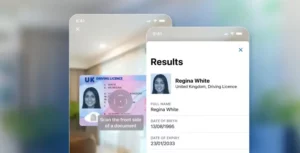
Microblink’s identity platform is designed to support CARF readiness by combining automation, accuracy, and regulatory alignment. Its document verification engine handles government-issued IDs, utility bills, and other proof-of-address documents essential for CARF reporting.
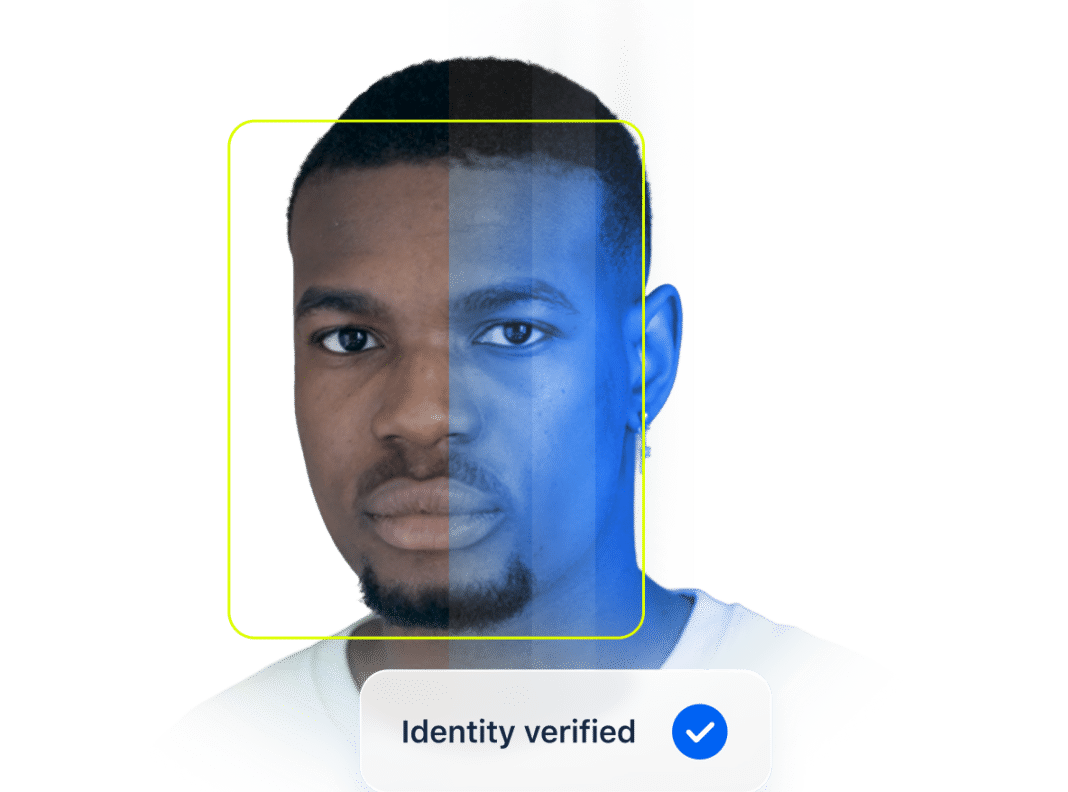
Integrated biometric and liveness checks reduce identity fraud by confirming that the person behind a document is real and present, while dedicated address verification ensures one of CARF’s most important data points is accurate and trustworthy. AI-driven risk scoring uncovers high-risk individuals early in the onboarding process, enabling smarter decisioning and targeted review.
Microblink’s APIs plug directly into existing onboarding and transaction workflows to collect and validate the exact data required for CARF compliance. And because every verification step is logged, the platform provides a complete audit trail, supporting regulatory reviews and helping institutions maintain a defensible compliance posture.
To learn more, get in touch today.