
Digital Transformation in Fraud Prevention: Stop Synthetic Identity Attacks
Fraud is no longer a static problem. It evolves, adapts, and scales alongside technology.
For risk leaders, digital transformation in fraud prevention is no longer about incremental upgrades. It’s about fundamentally rethinking how identity is verified, how risk is assessed, and how decisions are made across the customer lifecycle.
Organizations that rely on legacy fraud systems are increasingly exposed. Those that embrace digital transformation are gaining a critical advantage: the ability to detect fraud earlier, respond faster, and reduce operational complexity without sacrificing customer experience.
Why Digital Transformation Is Reshaping Fraud Prevention
Traditional fraud prevention models were built for a different era, one where fraud was slower, less sophisticated, and easier to isolate. Today’s fraud landscape is driven by automation, synthetic identities, and AI-powered attacks that can bypass outdated controls.
Digital transformation enables organizations to shift from reactive fraud detection to proactive risk management. Instead of identifying fraud after it occurs, modern systems evaluate identity and behavior in real time, allowing businesses to stop fraudulent activity before it impacts revenue or customers.
This shift is particularly important as fraud increasingly targets identity as the entry point, rather than just transactions. Without strong identity verification, every downstream control becomes less effective.
How Digital Transformation Improves Fraud Prevention Outcomes
At its core, digital transformation enhances fraud prevention by increasing speed, accuracy, and scalability.
Modern systems can verify identities in seconds, reducing onboarding time while improving detection rates. Automated decisioning reduces reliance on manual review, lowering operational costs and enabling fraud teams to focus on high-risk cases. At the same time, machine learning models continuously adapt to new fraud patterns, improving accuracy over time.
The result is a measurable improvement across key metrics, including reduced fraud losses, higher onboarding conversion rates, and stronger compliance performance.
Modern Identity Verification Methods That Reduce Fraud and Friction
A key component of digital transformation in fraud prevention is the adoption of advanced digital identity verification methods that balance security with user experience.
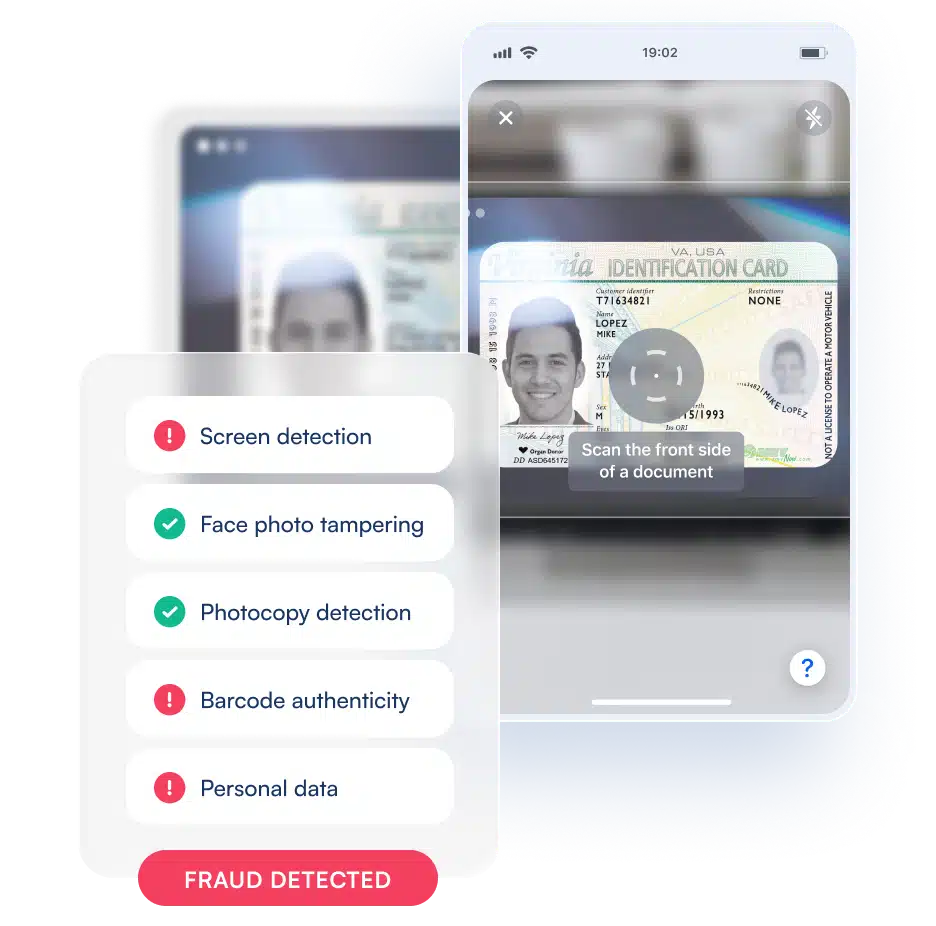
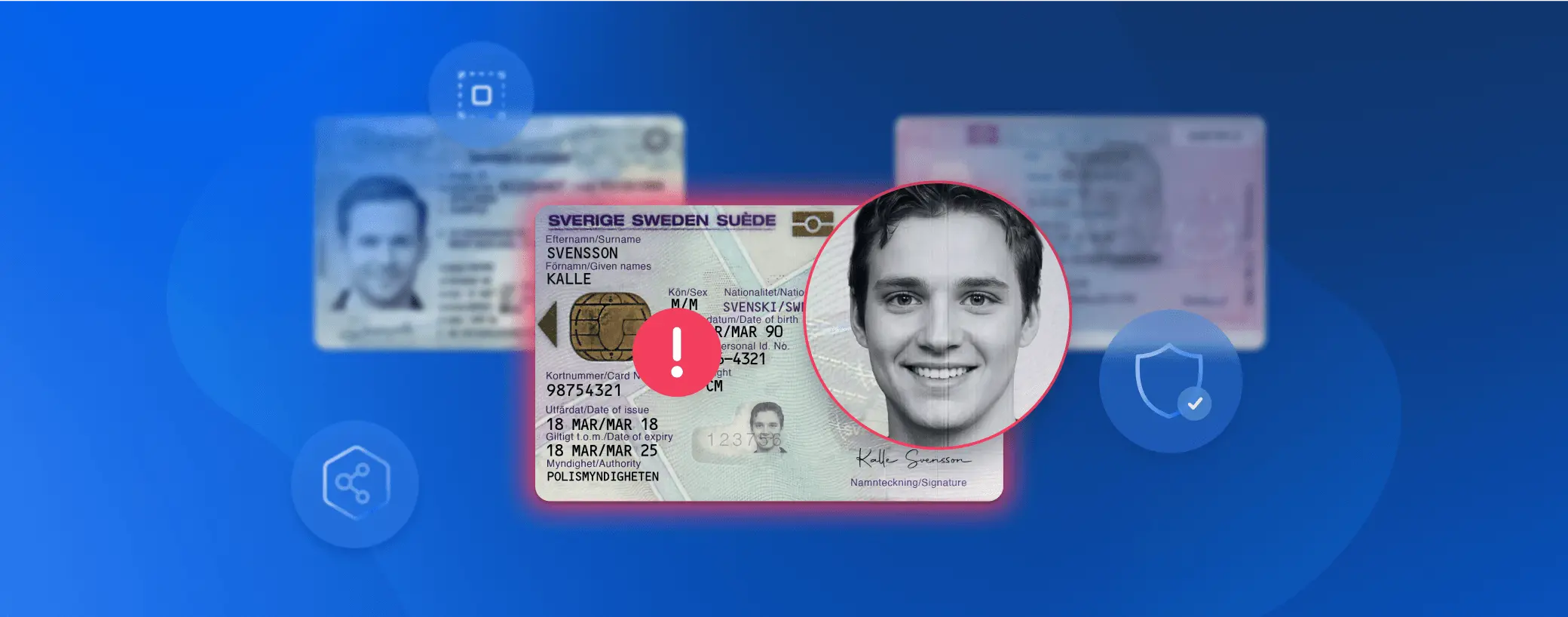
Document verification allows organizations to confirm the authenticity of government-issued IDs in real time, detecting signs of tampering or forgery. Biometric verification ensures that the person presenting the identity is its legitimate owner, while liveness detection prevents spoofing attempts using photos, videos, or deepfakes.
These technologies work together to create a seamless verification process that minimizes friction for legitimate users while increasing resistance to sophisticated fraud attacks.
Supporting KYC and AML Compliance Through Digital Transformation
Regulatory expectations are rising alongside fraud complexity. Financial institutions and other regulated organizations must demonstrate that their identity verification processes are both effective and auditable.
Digital transformation supports KYC and AML compliance by enabling consistent, automated verification workflows that reduce human error and ensure adherence to regulatory standards. Real-time data capture and audit trails provide clear evidence of compliance, while automated risk scoring helps organizations apply appropriate levels of due diligence based on risk.
This not only reduces the likelihood of compliance failures but also improves readiness for audits and regulatory reviews.
Key Components of a Digital Fraud Transformation Strategy
To successfully implement digital transformation in fraud prevention, organizations need to rethink both technology and process.
- Automated identity verification to reduce manual onboarding and improve accuracy
- Real-time risk scoring to assess fraud risk instantly during customer interactions
- Behavioral and device intelligence to detect anomalies beyond static identity data
- Integrated systems and workflows to eliminate silos and improve decisioning
- Continuous identity monitoring to evaluate risk throughout the customer lifecycle
These components work together to create a unified fraud prevention strategy that is both scalable and adaptable.
Traditional vs Digitally Transformed Fraud Prevention
| Capability | Traditional Approach | Digitally Transformed Approach |
|---|---|---|
| Identity verification | Manual or basic checks | Automated document and biometric verification |
| Fraud detection timing | Post-transaction | Real-time, pre-transaction |
| Decisioning | Rule-based, static | AI-driven, adaptive |
| Customer experience | High friction | Seamless, risk-based |
| Compliance | Manual processes | Automated, audit-ready |
This comparison highlights how digital transformation shifts fraud prevention from reactive to proactive.
How Microblink Enables Digital Transformation in Fraud Prevention
Microblink provides an AI-powered identity intelligence solution that helps organizations modernize fraud prevention through automation and real-time verification.
By combining document verification, biometric authentication, liveness detection, and machine learning-based risk signals, Microblink enables businesses to verify identities quickly and accurately while reducing fraud and operational costs.
The platform supports continuous identity assessment across the customer lifecycle, allowing organizations to maintain control over identity risk from onboarding through transactions. This approach not only improves fraud detection but also enhances compliance and customer experience.
The Future of Fraud Prevention Is Digital
Fraud will continue to evolve, driven by advances in technology and increasingly sophisticated attack methods. Organizations that fail to modernize their fraud prevention strategies risk falling behind.
Digital transformation in fraud prevention is not just about adopting new tools. It is about building a system that can adapt, learn, and respond to threats in real time.
For risk leaders, the path forward is clear: invest in modern identity verification, automate decisioning, and embrace continuous identity intelligence to stay ahead of fraud.