
Romance Scams in the Age of AI: When Trust Becomes the Attack Vector

Valentine’s Day is meant to celebrate connection, trust, and intimacy. Unfortunately, those same emotions are also the foundation of one of the fastest-growing and most damaging forms of fraud: romance scams.
Unlike many other fraud types, romance scams don’t rely on stolen credentials or account takeovers. They rely on something far more powerful and far more human: trust. In an era shaped by AI-generated personas, deepfakes, and real-time translation, that trust can be manufactured at scale, often with devastating financial and emotional consequences.
How Victims Lose Mioney
Large losses in romance scams rarely happen all at once. They unfold gradually, through a deliberate and calculated process.
Scammers often spend weeks, months, or even years building emotional dependency before making their first financial request. Victims may believe they are in a genuine relationship with someone overseas, sometimes maintaining daily contact for years without ever meeting in person. These relationships feel real because, emotionally, they are. The scammer’s job is to make the victim feel understood, valued, and uniquely chosen.
Once trust is established, the financial escalation begins. Initial requests are small and framed as temporary help or minor emergencies. These early transfers normalize the behavior. Over time, the requests grow larger, more urgent, and more emotionally charged.
To fund these payments, victims often draw from multiple sources. Savings are depleted first, followed by retirement accounts or investment portfolios. In severe cases, victims take out personal loans, home equity loans, or open new credit lines. Scammers frequently coach victims on exactly what to say to banks to bypass fraud controls, instructing them to disguise transfers as home renovations, family support, or business expenses. Experienced fraud networks understand transaction thresholds and compliance triggers and adapt their tactics accordingly.
How AI Has Changed Romance Scams
AI has not invented romance scams, but it has dramatically increased their scale and sophistication.
Today’s scams may include AI-generated profile photos that evade reverse image searches, deepfake video calls that create the illusion of face-to-face interaction, and real-time translation that enables scammers to convincingly pose as foreign professionals or military personnel. Script optimization allows fraudsters to tailor emotional manipulation based on a victim’s responses, adapting tone, urgency, and narrative in real time.
Despite these advances, the fundamentals of fraud detection still apply. Certain patterns consistently appear. Rapid emotional escalation early in a relationship is a common signal. Requests to move conversations off established platforms into encrypted messaging apps are another. Persistent excuses to avoid meeting in person, demands for secrecy, and urgent financial requests tied to emergencies, investments, or travel remain classic indicators.
The Role of Digital Identity in Defense
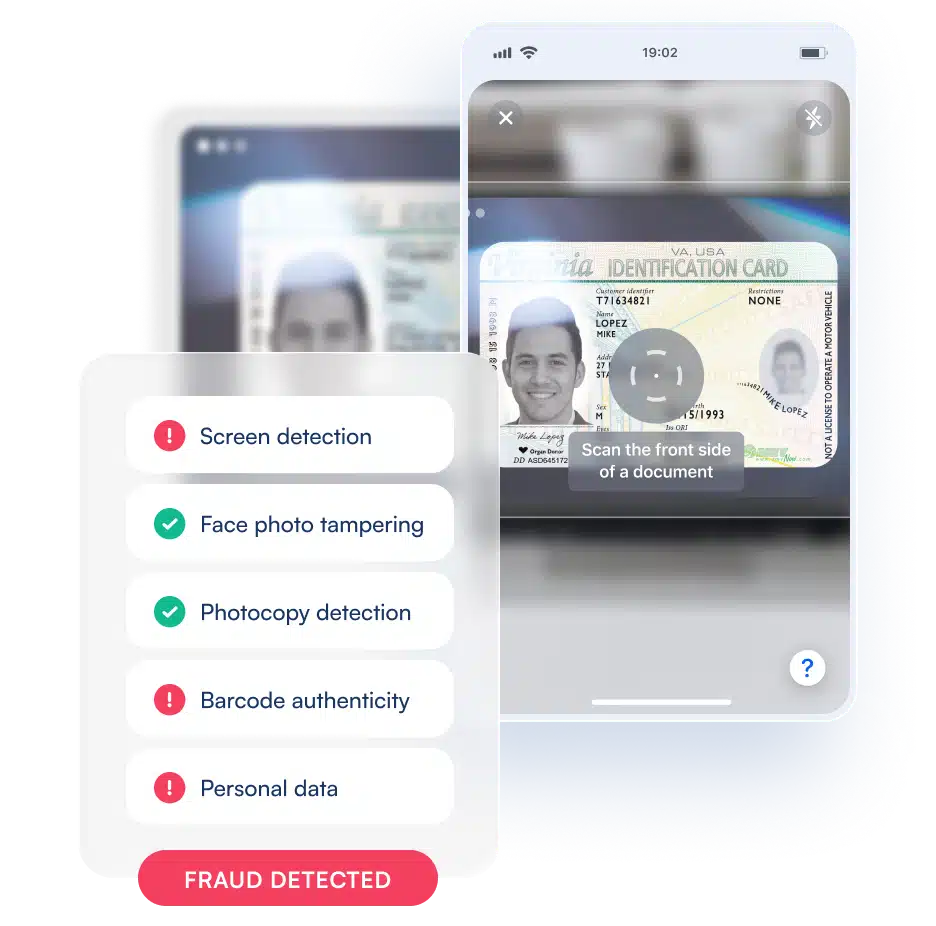
From a digital identity perspective, stronger verification and continuous trust assessment can make impersonation more difficult. Liveness detection can help counter deepfake attempts. Platform-level identity verification, even when lightweight, raises the cost of fraud. Contextual signals such as geolocation consistency can expose mismatches between claimed identity and observed behavior.
Most importantly, identity systems must move beyond one-time checks. Romance scams unfold over time. Defending against them requires the ability to observe behavior patterns, detect anomalies as they emerge, and intervene before trust is fully weaponized.
Awareness Still Matters Most
Romance scams exploit psychology more than technology. AI increases realism, but it also leaves patterns. Teaching people to pause, reflect, and question urgency remains one of the strongest defenses.
If something feels rushed, secretive, or emotionally overwhelming, that moment is often the most important one to slow down. Trust should grow naturally. When it’s being pushed, it deserves scrutiny.
This Valentine’s Day, protecting trust means understanding how it can be manipulated and designing systems that help people pause before it’s too late.