
Shaping the Future of Identity in Travel & Hospitality

Increased digitization and constantly rising customer expectations are creating challenges that many businesses in the travel and hospitality industry struggle to meet. Guests and travelers now demand seamless, frictionless experiences—from booking a trip online to checking into a hotel or boarding a cruise. At the same time, businesses must navigate growing concerns around fraud, compliance, and operational efficiency.
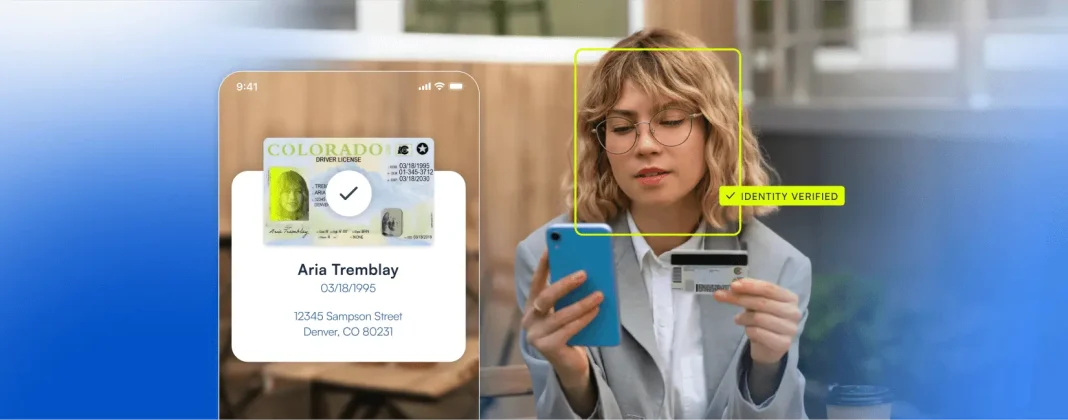
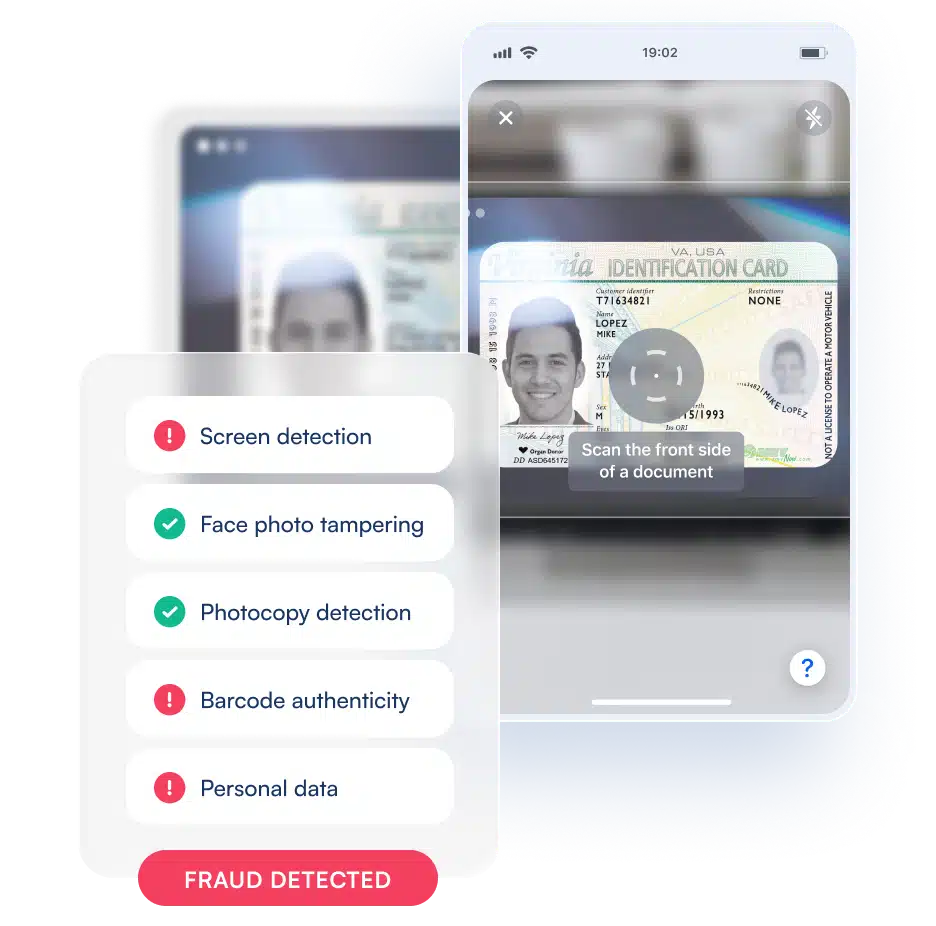
To stay ahead, companies in the travel and hospitality space should implement automation and AI-driven solutions that streamline processes while maintaining security. Technologies like automated ID verification and payment card scanning can transform the industry, making guest interactions faster and safer than ever and help to reduce hospitality fraud.
Key Industry Challenges
Manual Data Entry & Inefficient Onboarding
Long lines at hotel check-in desks. Slow airport security processes. Tedious identity verification for cruise passengers. These outdated, manual processes contribute to a frustrating guest experience and operational inefficiencies.
Many businesses in this sector still rely on manual ID verification, requiring guests to hand over physical documents, increasing wait times and potential errors. Travelers today expect a faster, contactless approach that minimizes friction.
Rising Fraud Risks (Especially CNP Fraud)
Fraud is a growing concern in travel and hospitality, particularly card-not-present (CNP) fraud. Online booking platforms, airlines, and hotels process millions of transactions daily, making them prime targets for fraudsters.
A major challenge is verifying customers remotely, especially in varying lighting conditions or with inconsistent image quality. Without strong identity verification, businesses risk chargebacks, fraudulent bookings, and lost revenue.
Compliance & Security Challenges
Travel and hospitality businesses must ensure they comply with strict security and data protection regulations. From GDPR in Europe to CCPA in California, handling guest data securely is non-negotiable.
One of the biggest concerns is how and where data is processed. For example, cruise lines operating in remote locations can’t always rely on cloud-based verification. They need secure, on-device processing that works even when internet access is limited.
Furthermore, many countries require businesses to do KYC checks on all guests and passengers and screen them against various watchlists.
How Technology is Solving These Challenges
Automated ID Verification
Automated ID verification helps hotels, airlines, and travel platforms verify guest identities in real time. Instead of manually checking passports or driver’s licenses, businesses can use AI-powered solutions to reduce wait times and improve security.
- For hotels: Guests can check in seamlessly without stopping at the front desk.
- For airlines: Faster identity verification for smoother boarding processes.
- For cruise lines: Secure, on-device verification even when internet access is limited.
Frictionless Payments
Friction at checkout—whether online or in person—can lead to abandoned bookings and lost revenue. That’s why it’s important to implement tools that enable secure, automated credit card onboarding, reducing fraud and failed transactions.
- For online booking sites: Prevents fraudulent transactions and ensures secure payments.
- For hotels: Reduces chargebacks and streamlines payment processing.
- For airlines: Ensures smooth, hassle-free ticket purchases.
On-Device Processing for Enhanced Security
For businesses that operate in remote areas—such as cruise lines or resorts in off-grid locations—on-device processing is critical. By verifying IDs and processing payments locally, companies can enhance security without relying on external servers. This approach also helps maintain guest privacy and compliance with data regulations.
Conclusion
The travel and hospitality industry faces significant challenges, from fraud prevention to improving the guest experience. However, AI-driven solutions like BlinkID and BlinkCard are already helping businesses streamline operations, enhance security, and reduce friction.
Many companies are already benefiting from these technologies—often without realizing it. As the industry continues to evolve, adopting automation and AI will be key to staying competitive and delivering the seamless experiences travelers expect. To learn more about how Microblink can help your business gain a competitive advantage through AI-powered automation, get in touch today.