
What is a Fraud Detection System, and Why is it Important?

Contemporary brands and financial institutions may be able to conduct business at unprecedented speeds, but the same online space that facilitates this is also deeply vulnerable to online fraud.
From brand impersonations to account takeover fraud, the digital landscape is rife with criminal activities that take a massive toll on consumers, affect the perceived integrity of businesses, and can lead to staggering financial losses.
In 2022 alone, consumers reported losing $8.8 billion to fraud, while recent data demonstrates that every dollar lost to fraud costs business organizations $3.75.
To that end, implementing a comprehensive fraud detection system is vital to predicting, flagging, and stopping fraudulent activity before it causes damage and perpetuates.
What is a fraud detection system?
Fraud detection systems leverage artificial intelligence (AI), machine learning (ML), data analytics, subject matter experts, fraud detection software, and policies and procedures to proactively predict and halt fraudulent transactions and activity before it causes harm, ensuring digital transaction security.
For companies that must adhere to anti-money laundering (AML) regulations (including financial institutions and gambling organizations), the fraud detection systems they establish may fall under a framework that’s known as “fraud and anti-money laundering” (FRAML).
For others? It’s just a smart—and wholly necessary—business practice.
How do fraud detection systems work?
Fraud detection systems rely on sophisticated technologies that assess consumer behavior and fortify security infrastructures.
This may include:
- Pattern recognition: Pattern recognition is a subset of data analytics in which various historical data points—such as a customer’s purchasing history, browsing habits, geographic location, and bank transactions—are analyzed to identify patterns. This info is then used to monitor fraudulent behavior in real-time for anomalies.
Suppose a customer makes a series of large purchases in a foreign country they’ve never visited. In that case, the monitoring system can jumpstart an investigation, alert the customer, organization, or security team, and/or block transactions.
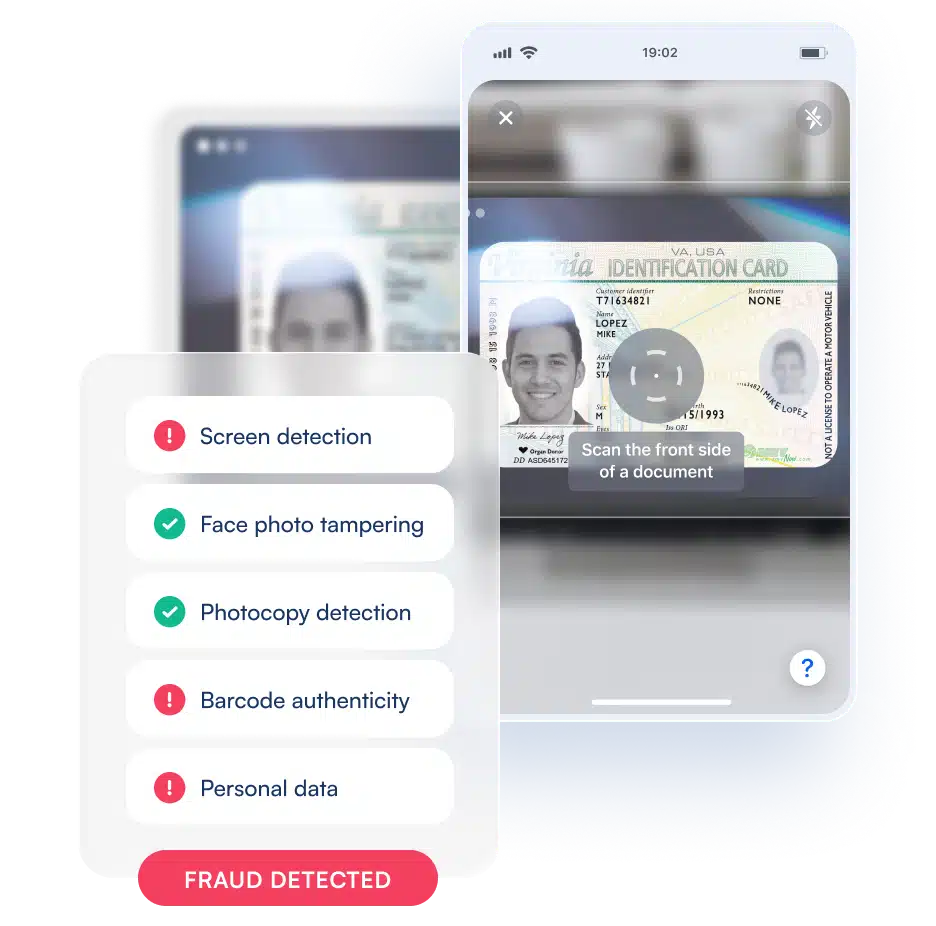
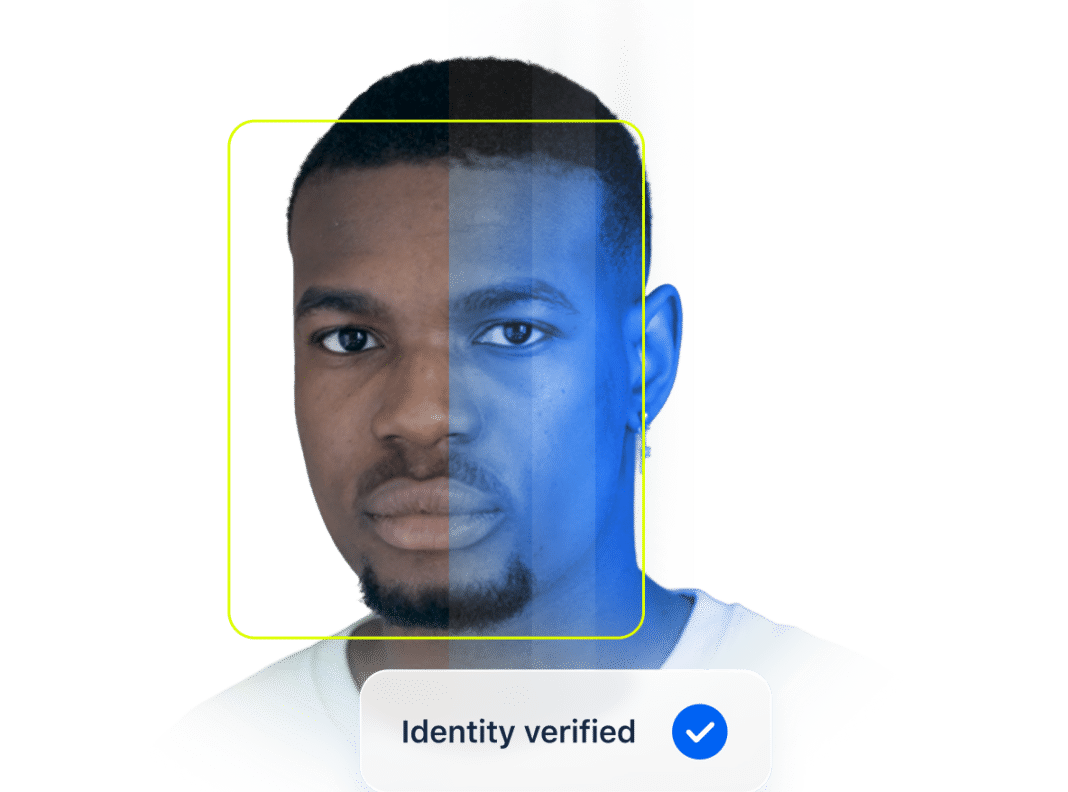
- Identity verification systems: Identity theft remains one of the most prevalent forms of fraud—an issue so widespread it’s estimated that it occurs every 22 seconds. Robust fraud detection solutions employ various methods to counter the risk of identity theft, payment fraud, and the new account fraud that might arrive with it. This may involve implementing and/or enhancing the following:
- Biometric verification
- Document verification
- Multi-factor authentication (MFA)
- Security and network monitoring tools: Real-time detection tools, behavioral analytics, identity proofing, and other fraud prevention strategies are paired with cybersecurity tools designed to safeguard an organization’s infrastructure and data, including intrusion prevention systems (IPS), web application firewalls (WAFs), and API protection (among others).
The importance of fraud detection systems
Fraud is an insidious issue that has widespread effects:
- Business organizations: Fraud wreaks havoc on business organizations on multiple fronts. The financial losses they may encounter—fines and penalties, legal expenses, disruptions in business (and a loss of business)—can be lethal. Fraud may also cause irreparable reputational damage. In some cases, particularly in the banking sector, an incident of fraud may expose non-compliance with anti-fraud regulations, resulting in the loss of a banking charter, intensified rules and restrictions, and even imprisonment.
- Consumers: The impact of fraud on consumers cannot be overstated. In addition to the time it takes to recover their identities and/or stolen credentials, consumers may face catastrophic financial setbacks and a damaged credit score that can haunt them for years. What’s more, surveys demonstrate that victims of fraud may suffer from mental health consequences ranging from anxiety to PTSD.
- Economy: Detecting fraud and preventing it takes a grave toll on the economy. False positives (or misidentifying fraudulent activity) may interrupt purchases, lead to cart abandonment, result in lost revenues, and drive out businesses—and this is just one instance of how fraud throws the economy into disarray. Fraud risks can also misrepresent markets and spoil a country’s economic reputation on a global scale.
Fortunately, solidly built fraud detection and prevention systems can anticipate and stop fraud in its tracks—while shoring up an organization’s trustworthiness and shielding its assets.
Key components of an effective fraud detection system
Technological advances have utterly transformed fraud prevention solutions. That said, an organization’s fraud detection system is only as vigorous as its technology.
The most essential components to seek out include:
- Adaptability
- Scalability
- Real-time analysis
- Data validation
- Document validation
To detect fraud, organizations shouldn’t rely on technology alone. Ongoing awareness and education, a dedicated fraud team (for large organizations), and collaboration and information sharing are crucial to combatting ever-evolving fraud tactics.
Enhancing fraud detection with Microblink’s technology
Microblink believes business organizations should take a document-centric approach to mitigating fraud, particularly in identity theft and its implications.
With Microblink’s BlinkID and BlinkID Verify, organizations can swiftly, securely, and accurately scan a customer’s identity through its intuitive image capture, extraction, and verification capabilities—all of which are strengthened with the power of AI.
Interested? Try our demo to see how Microblink can bolster your fraud detection system.